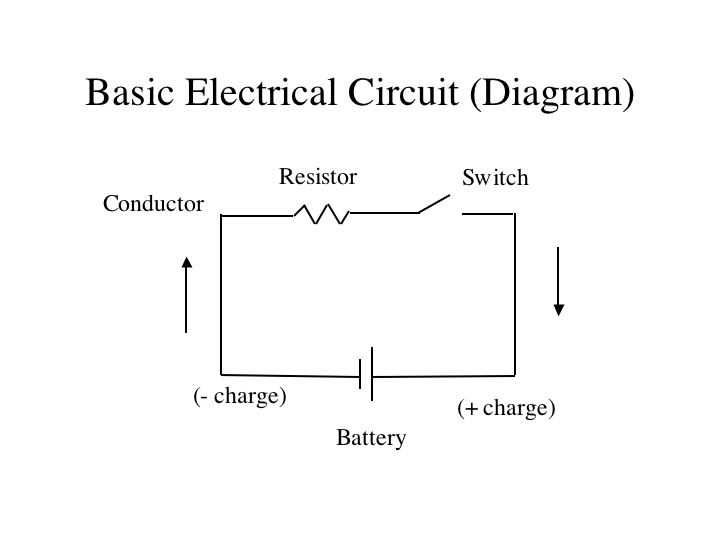
Follow the flow from the power source through each component to understand operational behavior. Identify resistors, capacitors, and active elements and note their orientation to ensure correct current paths.
Trace the voltage across each node with a multimeter or simulation software. Mark each junction point to visualize potential differences and confirm the expected distribution of power throughout the assembly.
Pay attention to series and parallel arrangements. Series components share the same current while parallel components maintain equal voltage, which affects load calculations and component ratings.
Verify connections before energizing the assembly. Check for shorts, open paths, and correct polarity of diodes and electrolytic elements to prevent damage and ensure stable operation.
Understanding Layouts and Connections in Electrical Assemblies
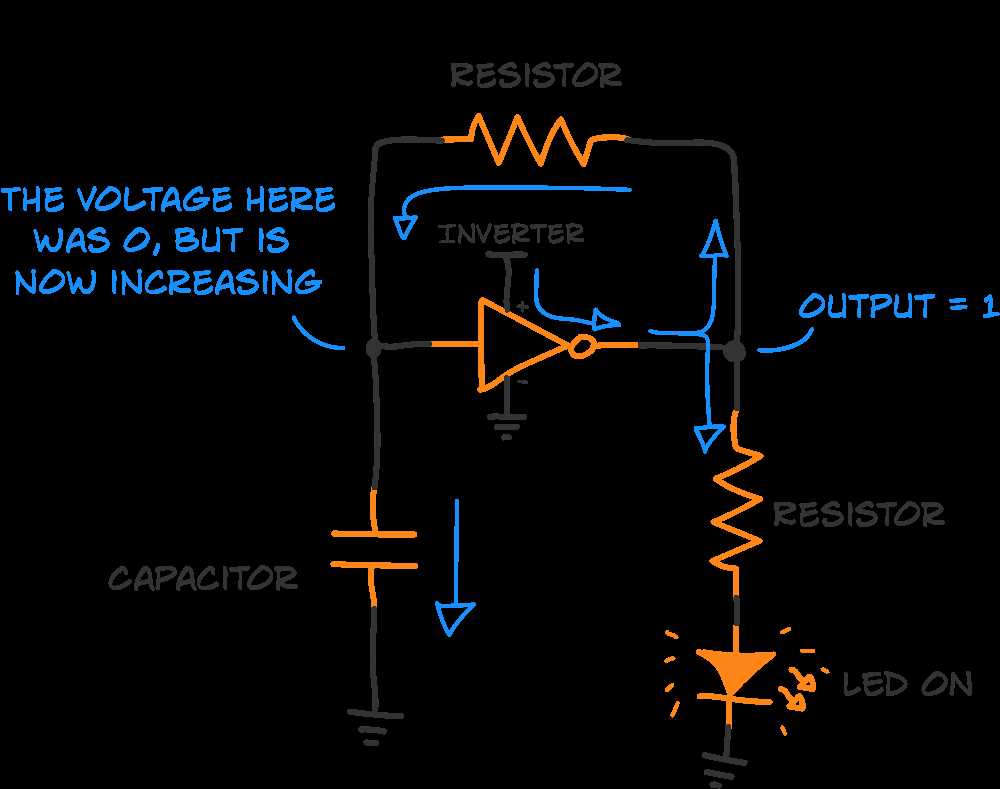
Identify each component and its function within the layout. Label resistors, capacitors, transistors, and diodes to track current flow and voltage drops accurately across the assembly.
Trace the main power path from source to load. Observe series and parallel configurations carefully, noting that series elements share the same current while parallel elements maintain equal voltage.
Check all junction points for proper connectivity:
- Confirm continuity using a multimeter to detect open paths
- Ensure that all polar components, like diodes and electrolytic capacitors, are oriented correctly
- Identify potential shorts between adjacent traces or wires
Use standardized symbols to interpret each connection and interaction. Understanding these representations helps in predicting behavior, calculating voltage drops, and evaluating component loads.
Measure voltage and current at critical points. Record readings for comparison with theoretical values to verify that the assembly operates within specified parameters and that no components are overloaded.
Document the layout including all connections, component ratings, and observed readings. This record simplifies future modifications, troubleshooting, and replication of the assembly in similar applications.
Reading Symbols and Identifying Components
Start by recognizing the standard symbols for resistors, capacitors, and inductors. Note the orientation and labeling of each component to understand its role in controlling current and voltage.
Identify active elements such as transistors, diodes, and integrated modules. Check pin configuration carefully since incorrect placement can alter the flow and damage surrounding components.
Mark all nodes where multiple elements connect. Distinguishing junctions from simple wire crossings prevents misinterpretation of paths and ensures accurate analysis of potential and current distribution.
Compare symbol ratings with physical or specified values. Verify voltage, current, and resistance levels to ensure that the assembly will function safely within its intended operational parameters.