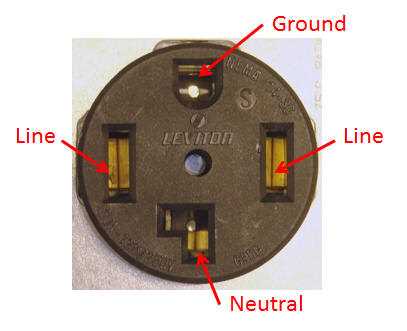
Connect the power line using a four-wire setup to ensure safe distribution: two hot conductors, one neutral, and a dedicated ground. Confirm the breaker rating matches the appliance’s voltage and current requirements before attaching the terminals. Using a 30-amp double-pole breaker is standard for most residential units rated at 240 volts.
Identify the correct receptacle type for a secure fit. A NEMA 14-30 connector supports the four-wire system, while a NEMA 10-30 accommodates older three-wire configurations. Always check the insulation condition of each conductor and replace any frayed or discolored wires to prevent overheating and electrical hazards.
Secure the connection points with appropriate torque on terminal screws. Ensure that the grounding conductor is tightly fastened to the metal frame and that the neutral is isolated from the chassis. Use wire labels to avoid confusion when multiple circuits share a junction box.
Test the circuit with a multimeter for voltage and continuity before operating the appliance. Verify that both hots measure approximately 240 volts across them and that each hot to neutral reads 120 volts. This prevents miswiring, which can lead to blown fuses or damage to internal components.
Consider using a conduit or armored cable for added protection in exposed areas. Proper strain relief on the cable entrance reduces the risk of conductor fatigue over time, ensuring reliable operation and safety compliance with the National Electrical Code.
Dryer Outlet Wiring Diagram
Use a 4-wire connection with a 30-amp breaker and 10/3 cable for installations built after 1996; this separates neutral and ground for safety compliance.
Older 3-wire setups can remain if the house predates 1996, but check the appliance’s terminal block to ensure proper grounding.
Wire Identification
- Black conductor: hot line L1
- Red conductor: hot line L2
- White conductor: neutral return
- Green or bare conductor: grounding conductor
Measure voltage between L1 and L2; it should read approximately 240 volts. L1 to neutral and L2 to neutral each should read 120 volts. Any deviation indicates a misconnection.
- Turn off main breaker before starting work.
- Strip insulation carefully to avoid nicking wires.
- Connect black and red wires to the hot terminals on the receptacle.
- Attach the white conductor to the neutral terminal.
- Secure green or bare wire to the grounding screw.
Ensure the cable clamp prevents strain on the terminals. Loose connections can cause arcing and heat buildup.
Testing Procedure
After completing the connection, turn on the breaker and test each line with a multimeter. Confirm 240 volts across hot terminals and proper grounding continuity to metal parts. Label the receptacle clearly for identification.
Identifying the Correct Power Connection for Your Home
Confirm the amperage rating of your appliance first: a 30-amp model requires a 4-prong receptacle with two hot wires, a neutral, and a ground. For older 3-wire systems, ensure the junction meets local codes and has proper grounding before installation. Check the voltage: most large units operate at 240V, but some smaller designs may function at 120V, which changes the plug configuration entirely.
Examine the physical shape of the connector. NEMA 14-30 and NEMA 10-30 are the most common for residential setups. The 14-30 includes a dedicated ground, while the 10-30 relies on the neutral as a grounding path. Measure the spacing between prongs and compare it to manufacturer specifications to prevent mismatches that could lead to overheating or tripped breakers. Always label the circuit breaker to match the connector type to avoid confusion during maintenance.