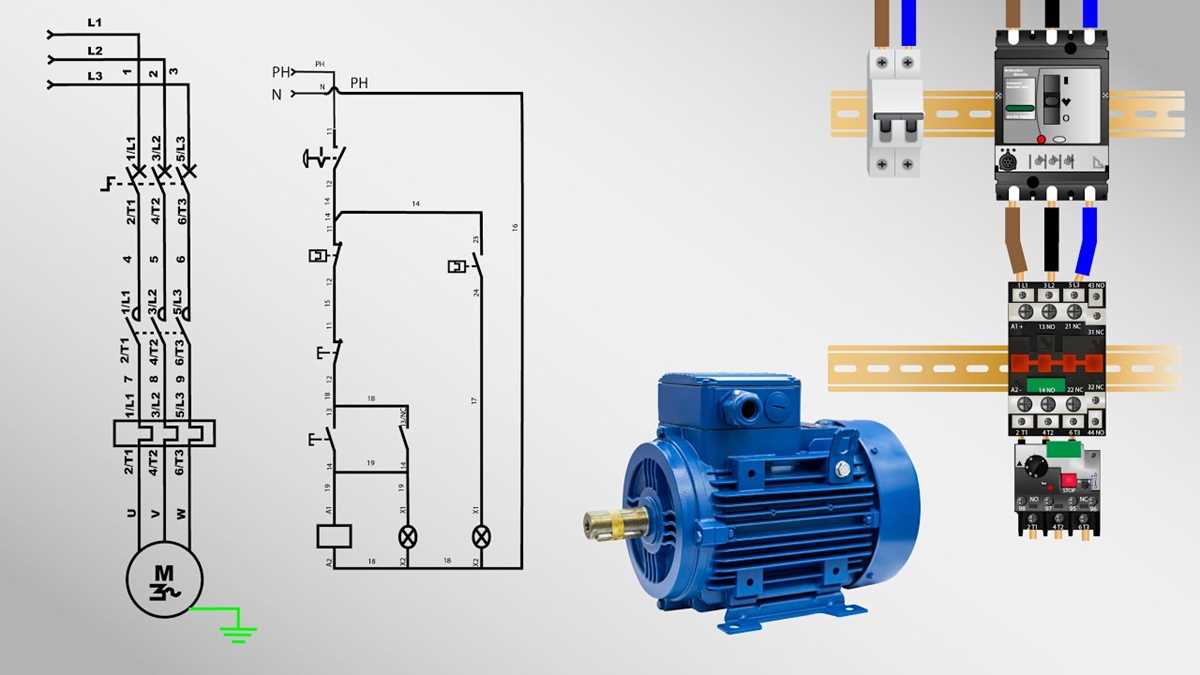
Connect the main supply lines to the starter terminals with correct polarity to ensure the motor receives full voltage at startup. Incorrect connections can cause failure to start or trip protective devices.
Include a thermal overload relay in series with the motor supply to protect the windings from overheating. Set the relay according to the motor’s rated current for optimal protection.
Use a control switch to engage the starter safely. Ensure the switch contacts can handle the full starting current, which may reach six to seven times the rated load for a standard induction motor.
Verify all connections with a multimeter before energizing the motor. Check for continuity between supply, relay, and motor terminals to avoid shorts or miswiring that can damage components.
Route all conductors away from moving parts and metal edges to prevent abrasion or insulation damage. Secure wires with clamps and use protective sleeves where necessary.
DOL Motor Starter Connection Guide
Attach the main supply lines directly to the starter terminals ensuring correct phase sequence. Incorrect placement can prevent the motor from starting or cause reverse rotation, which may damage connected machinery.
Integrate a thermal overload relay between the power supply and motor to protect windings from overcurrent. Set the trip value according to the rated current of the motor for reliable operation under load variations.
Use a start/stop control switch capable of handling high inrush current. The initial surge can reach up to six times the rated load for induction motors, so select contacts rated for this transient current to prevent welding or failure.
Test all connections with a multimeter before energizing the motor. Verify continuity, check for accidental shorts between phases, and confirm that the relay contacts operate smoothly to avoid motor or relay damage.
Secure and route all conductors away from moving parts and sharp edges. Use insulated clamps and sleeves to prevent abrasion, which could lead to shorts or grounding issues that compromise starter performance.
Identifying Terminals and Connections for Starters
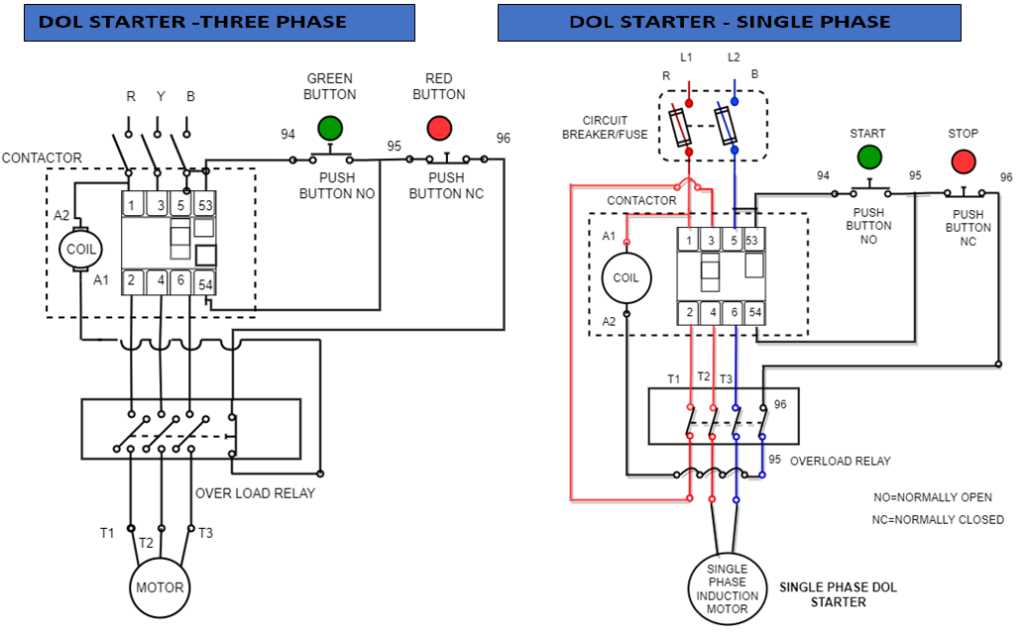
Start by labeling each supply line before making connections. Identify the three-phase inputs and match them with the corresponding terminals on the starter to ensure proper rotation and prevent phase reversal.
Inspect each lead for color coding or insulation markings. Typically, red, yellow, and blue indicate the three-phase inputs, while black or brown lines connect to protective devices such as overload relays or fuses.
Primary Terminal Checks
- Locate the main power posts and confirm that they are free from corrosion or oxidation.
- Measure continuity between the incoming supply and the starter terminals to ensure no breaks exist in the wires.
- Verify that the terminals are compatible with the conductor size to avoid loose connections under high current.
Secondary terminals, including connections to control switches, should be tested for smooth contact operation. Loose or poorly seated wires can prevent proper engagement of the starter and create intermittent faults.
Control and Protective Connections
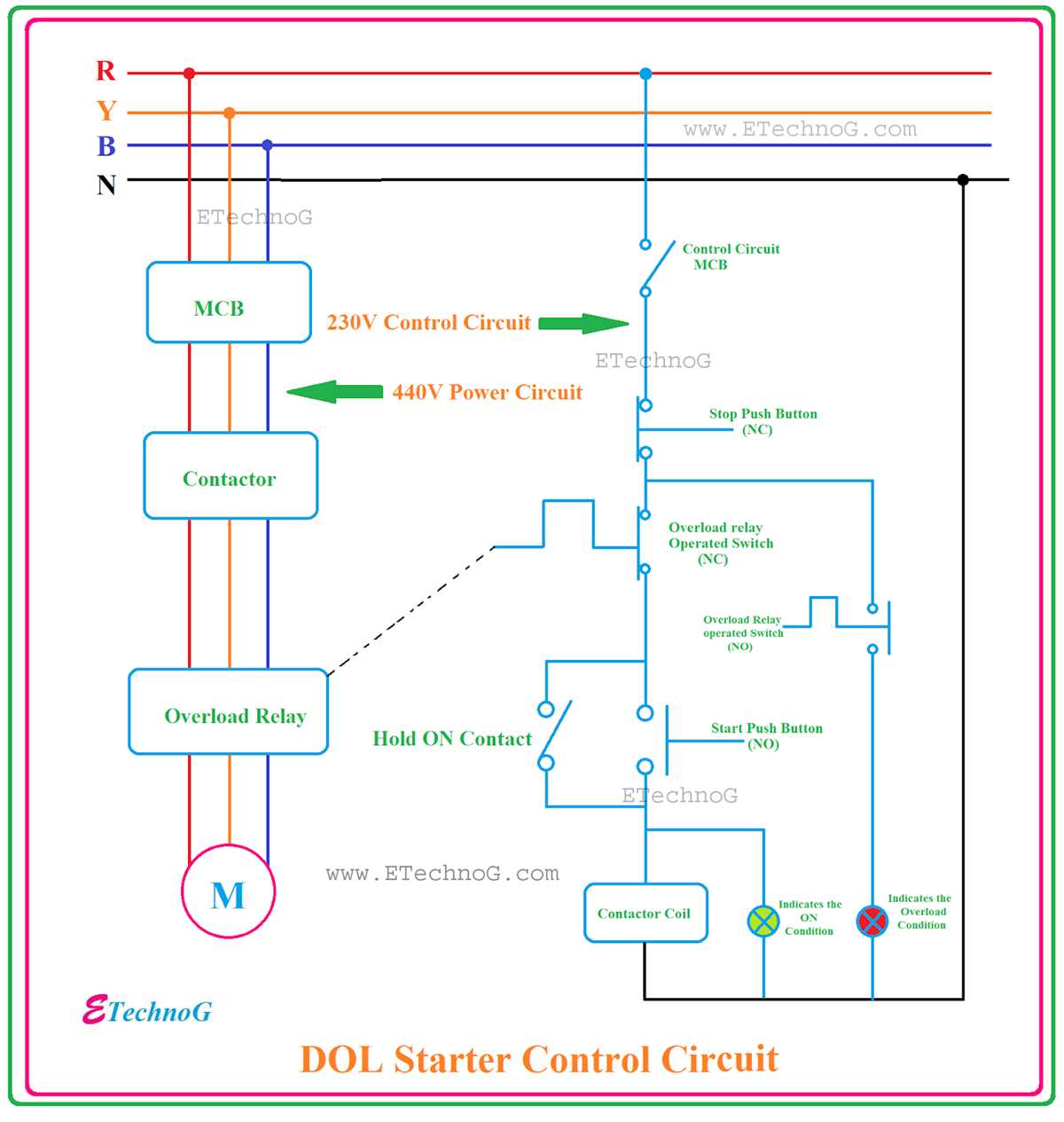
- Attach the thermal overload relay leads in series with the motor supply, ensuring correct polarity.
- Connect the start/stop switch to the control terminals, checking that the switch can handle the inrush current during motor startup.
- Verify that auxiliary contacts operate simultaneously with the main contacts to maintain coordinated control.
- Ensure all protective devices, including fuses or contactors, are wired according to the motor’s rated specifications.
Secure all conductors using insulated clamps and route them away from moving components to prevent wear or short circuits. Use sleeving on exposed wires for added safety.
Final testing should include measuring voltage at each terminal and performing a trial start. Confirm that the motor runs in the correct direction and that all protective devices respond properly to overload conditions.