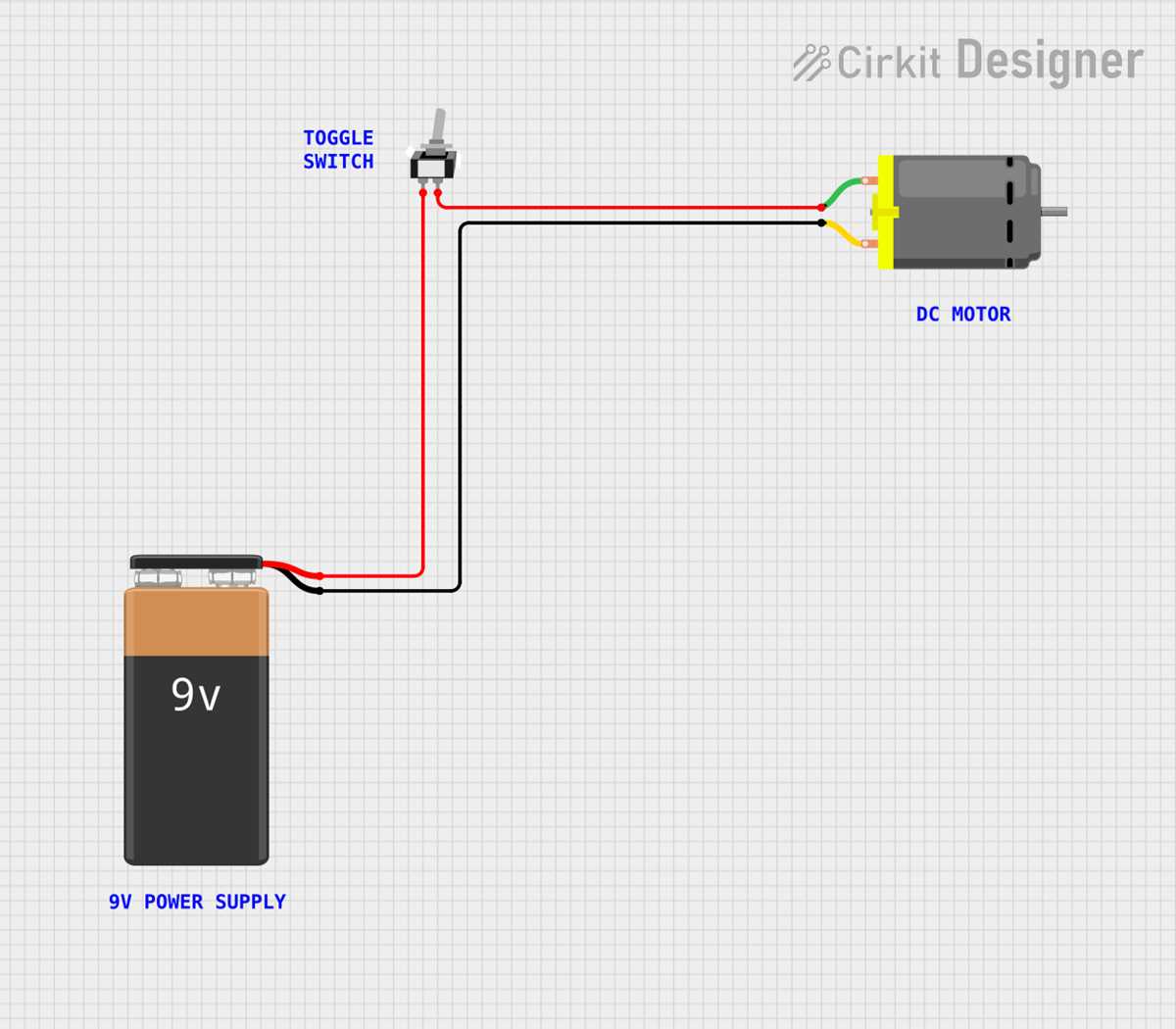
Use a clear terminal layout for a DC drive unit: connect the positive supply lead to the marked + terminal of the armature circuit and route the negative lead directly to the − terminal while keeping conductor length short. A compact path lowers voltage drop and reduces heat along copper lines, which is especially noticeable in 12 V and 24 V systems where a loss of even 0.5 V affects torque output.
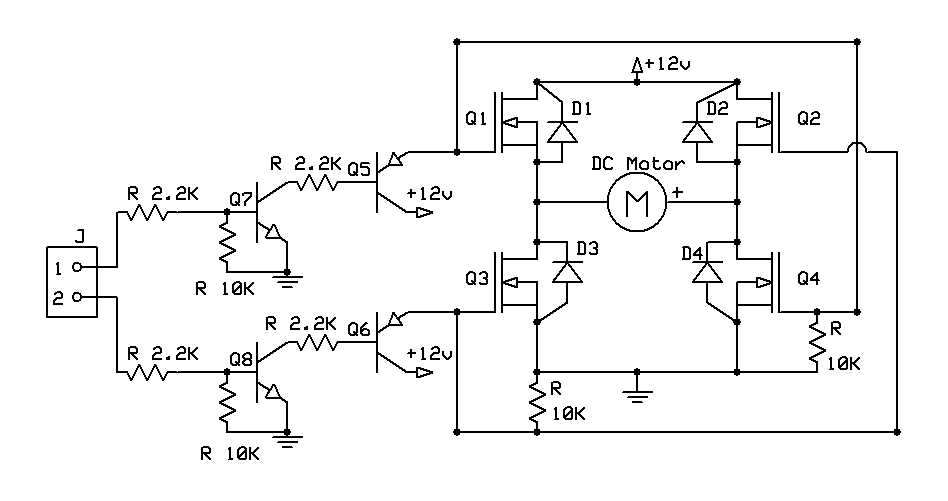
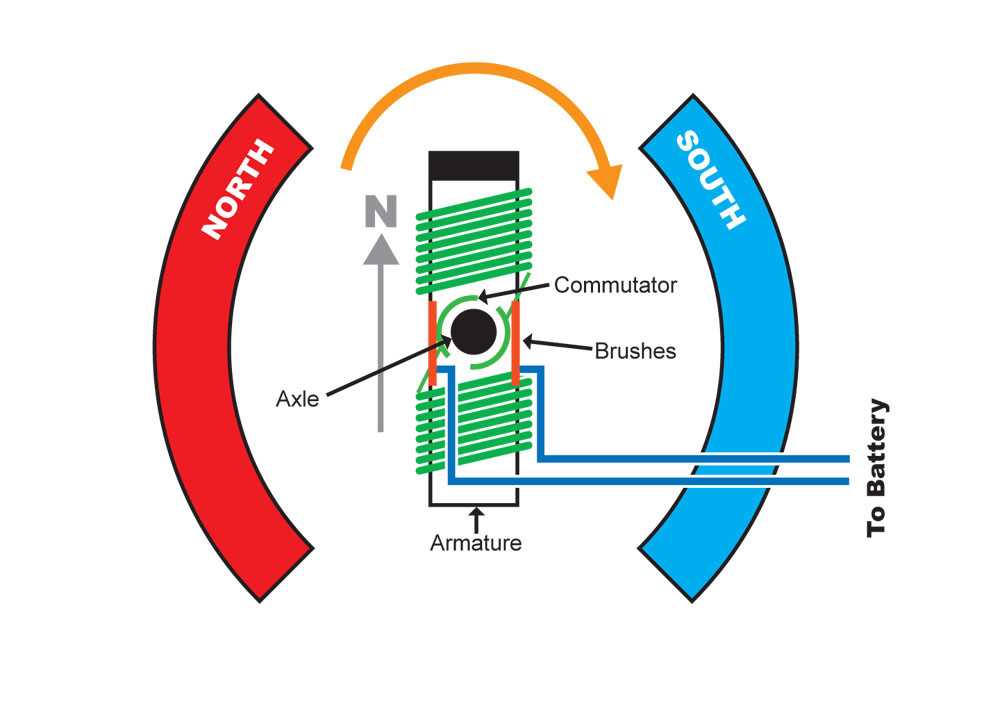
A typical configuration contains two armature contacts and two field contacts. The armature pair transfers current that spins the shaft, while the field pair stabilizes magnetic strength. In small permanent-magnet drives the field section is absent, leaving only the armature pair. When supply polarity is reversed, rotation direction flips immediately; many control boards achieve this through an H-bridge arrangement using four switching elements.
Pay attention to conductor thickness. For a 10 A load at 24 V, copper leads of at least 1.5 mm² keep temperature rise within safe limits during continuous operation. Longer routes require thicker conductors because resistance increases roughly 0.0175 Ω per meter for 1 mm² copper. Excess resistance leads to slower startup and unstable rotation under load.
Protection components also belong in the connection scheme. Place a flyback diode parallel to the armature contacts with its cathode on the positive side. During shutdown the collapsing magnetic field can produce spikes above 100 V even in small drives; the diode absorbs that surge and protects controllers, relays, or transistor switches attached to the circuit.
DC Drive Connection Schemes: Clear Lead Layouts for Different Applications
Use a direct two-lead supply link for simple constant-speed DC drives: connect the positive terminal of the power source to the red lead of the drive unit and the negative terminal to the black lead. For small 6–24 V units drawing under 5 A, insert a 10–15 A inline fuse on the positive path and place a toggle switch between the fuse and the supply. This arrangement suits fans, compact conveyors, and battery-powered tools where speed control is unnecessary.
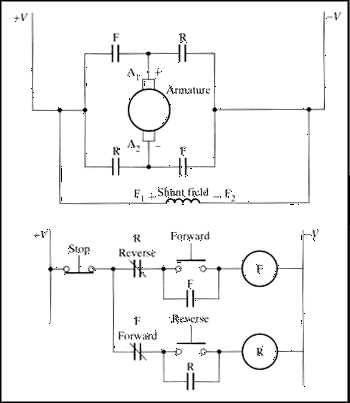
For reversible rotation, install a DPDT polarity-reversal switch. The supply connects to the center terminals of the switch, while the two output pairs cross over before reaching the drive leads. Flipping the lever swaps polarity across the armature circuit, instantly changing direction. Choose a switch rated at least 150 % of the nominal current; for a 12 V unit drawing 8 A, select a component rated for 12–15 A continuous load.
Speed regulation requires a PWM controller module. Route the positive supply through the controller’s input terminal, then connect its output terminals to the drive leads. A typical controller designed for 12–36 V systems supports frequencies around 10–25 kHz, preventing audible noise while maintaining torque at low RPM. Mount the controller within 30 cm of the drive to reduce voltage drop and signal distortion.
Industrial setups often use a separate field and armature connection layout. The field coil receives a constant DC source, while the armature circuit passes through a variable controller. Field voltage commonly remains fixed–such as 180 V–while the armature receives adjustable levels between 0 and 180 V. This arrangement allows precise torque adjustment for machine tools, rolling equipment, and automated lifts.
Battery-powered vehicles rely on a contactor-based power path. The battery pack feeds a high-current contactor (often 200–400 A rated), which then routes current through a controller unit before reaching the drive assembly. A pre-charge resistor–typically 100–500 Ω–limits inrush current when the system activates, protecting capacitors inside the controller.
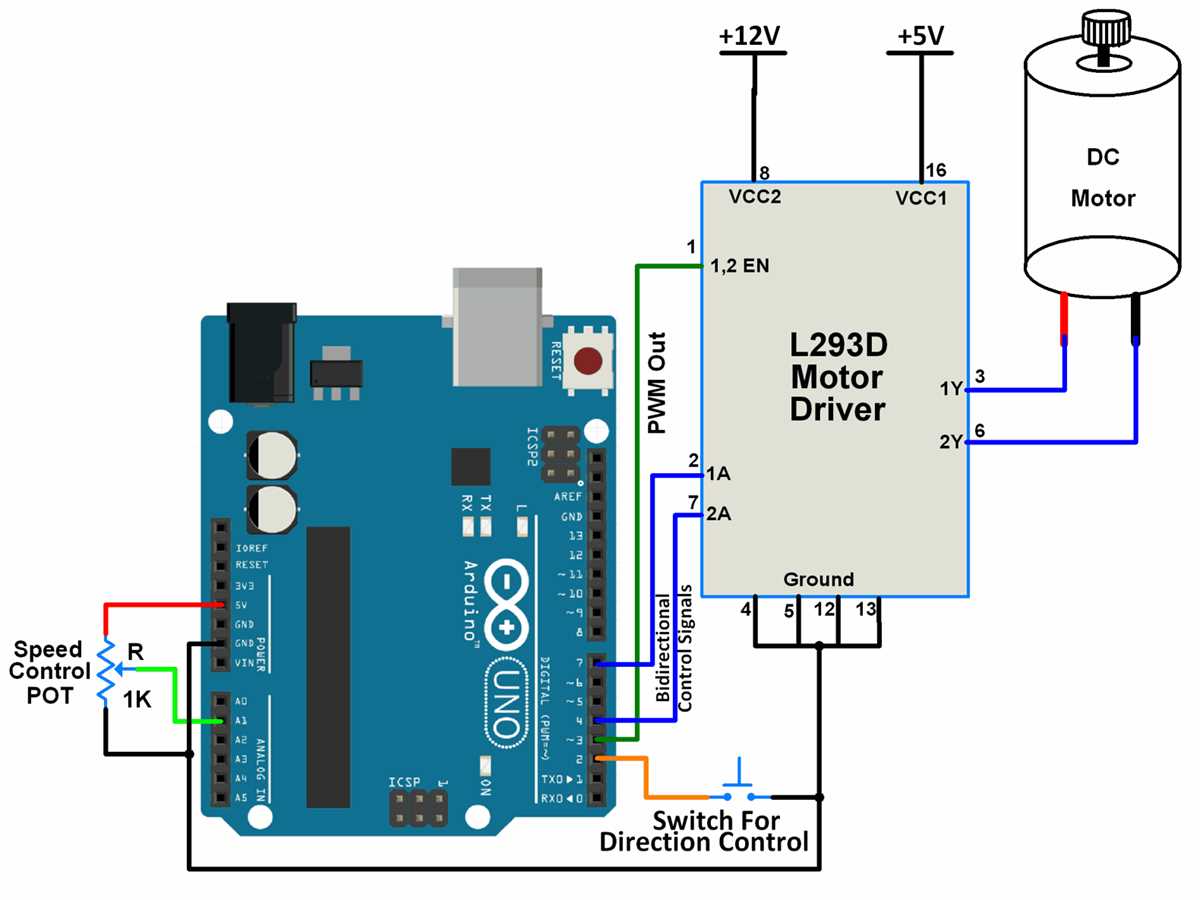
For bidirectional speed control with feedback, connect an H-bridge driver board. Four switching transistors arranged in an H configuration alter current direction electronically. Control inputs from a microcontroller adjust pulse width and direction. Logic signals usually operate at 3.3 V or 5 V, while the power side may handle 12–48 V loads.
Noise suppression requires placing a 0.1 µF ceramic capacitor directly across the brush terminals and two additional capacitors between each terminal and the metal housing. This reduces electromagnetic interference that may disrupt radio receivers, sensors, or control electronics located nearby.
For high-power installations exceeding 1 kW, use copper conductors sized according to current load. A 40 A system typically needs 8 AWG (≈8.4 mm²) leads to limit heating and voltage loss. Keep lead length under 1.5 m where possible and secure all terminals with crimped ring connectors plus locking washers to prevent loosening from vibration.