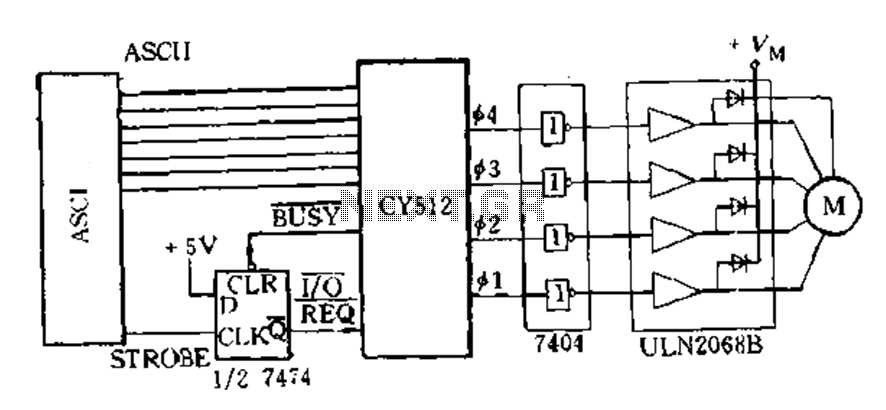
Focus on mapping the matrix of switches accurately. Each intersection of row and column traces defines a precise point of contact, allowing signal detection without ambiguity. Consistent labeling of lines simplifies troubleshooting and reduces misreads during testing.
Use thin, insulated conductive paths to connect mechanical triggers to the processing module. Maintaining uniform spacing between traces prevents accidental shorts and ensures reliable actuation of each key element. Solder joints should be minimal yet robust to withstand repeated pressing.
Incorporate diodes for each switch to prevent ghosting in multi-press scenarios. Check polarity carefully to avoid malfunction when multiple inputs are active simultaneously. A systematic approach to grouping rows and columns can optimize scanning routines for faster response.
Consider the integration of flexible substrates for compact layouts. Folded or layered connections allow denser configurations without increasing the device footprint. Ensure that contact points align precisely with the scanning controller to maintain signal integrity and reduce interference.
Test every trace and node with a multimeter before full assembly. Document connections rigorously to facilitate future modifications or repairs. Even minor misrouting can compromise the responsiveness of the input panel, making preemptive verification critical.
Computer Input Device Layout and Wiring
Place the scanning matrix with rows and columns connected to a microcontroller capable of handling simultaneous key detection. Ensure traces are short to reduce resistance and signal distortion.
Use diodes for each switch to prevent ghosting when multiple buttons are pressed. Schottky types with low forward voltage drop perform best for rapid key presses.
Arrange conductive pads under each actuator with a consistent gap to guarantee reliable contact closure. Avoid overlaps that could create shorts during rapid actuation.
Integrate a pull-up resistor on every line leading to the logic processor to stabilize input readings. Values between 4.7kΩ and 10kΩ provide stable logic levels without slowing response.
Microcontroller Interfacing
Map each intersection of the matrix to a unique pin combination for scan detection. Use firmware routines that debounce mechanically bouncing switches for accurate input.
Separate power and signal tracks to minimize crosstalk. Maintain at least a 0.5 mm clearance between traces carrying different voltage levels.
Include a test point for each row and column to allow continuity checks and quick fault identification. Label points clearly for repair or modification tasks.
Signal Conditioning and Safety
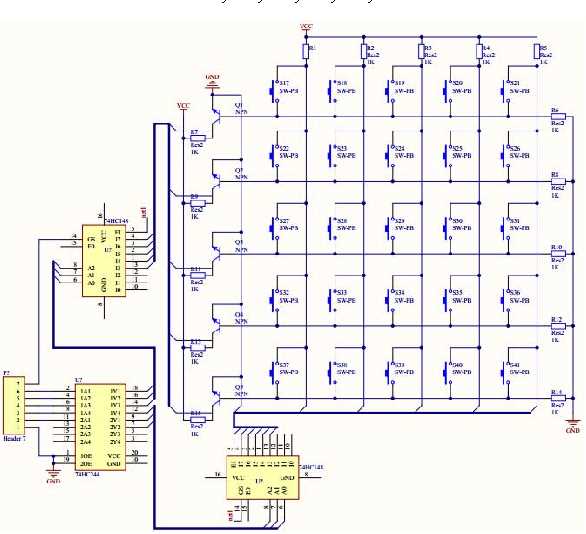
Consider adding a capacitor of 0.1 µF across power rails near the microcontroller to filter transient spikes. Ensure all conductive elements are coated to prevent corrosion over time.
Understanding the Key Matrix Layout for Accurate Wiring
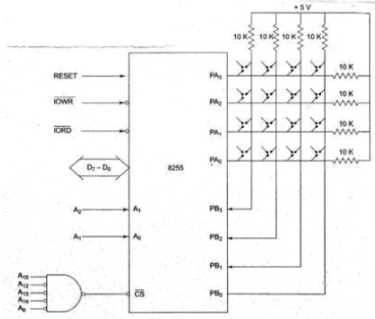
Map the rows and columns with labeled traces before soldering switches to ensure each contact aligns correctly. Misalignment can cause phantom signals or unregistered presses. Use a multimeter to verify continuity between intersection points before final assembly.
Organize the layout by assigning unique identifiers to each node. For a standard 104-unit setup, typically 8 rows and 16 columns suffice, but spacing may vary depending on the panel size. Keep row lines parallel and column lines perpendicular to minimize crosstalk.
Consider diode placement at each junction to prevent ghosting. Orient all diodes in the same direction, with the cathode pointing toward the column lead. This ensures signal flows correctly when multiple switches are pressed simultaneously.
Document every wire path using a clear table or spreadsheet:
- Row number
- Column number
- Switch ID
- Diode orientation
This reduces errors during debugging and simplifies tracing during repairs.
Test each section progressively instead of wiring the entire assembly at once. Check for shorts or floating nodes after every 4–8 switches. Incremental validation prevents large-scale faults that are difficult to isolate.