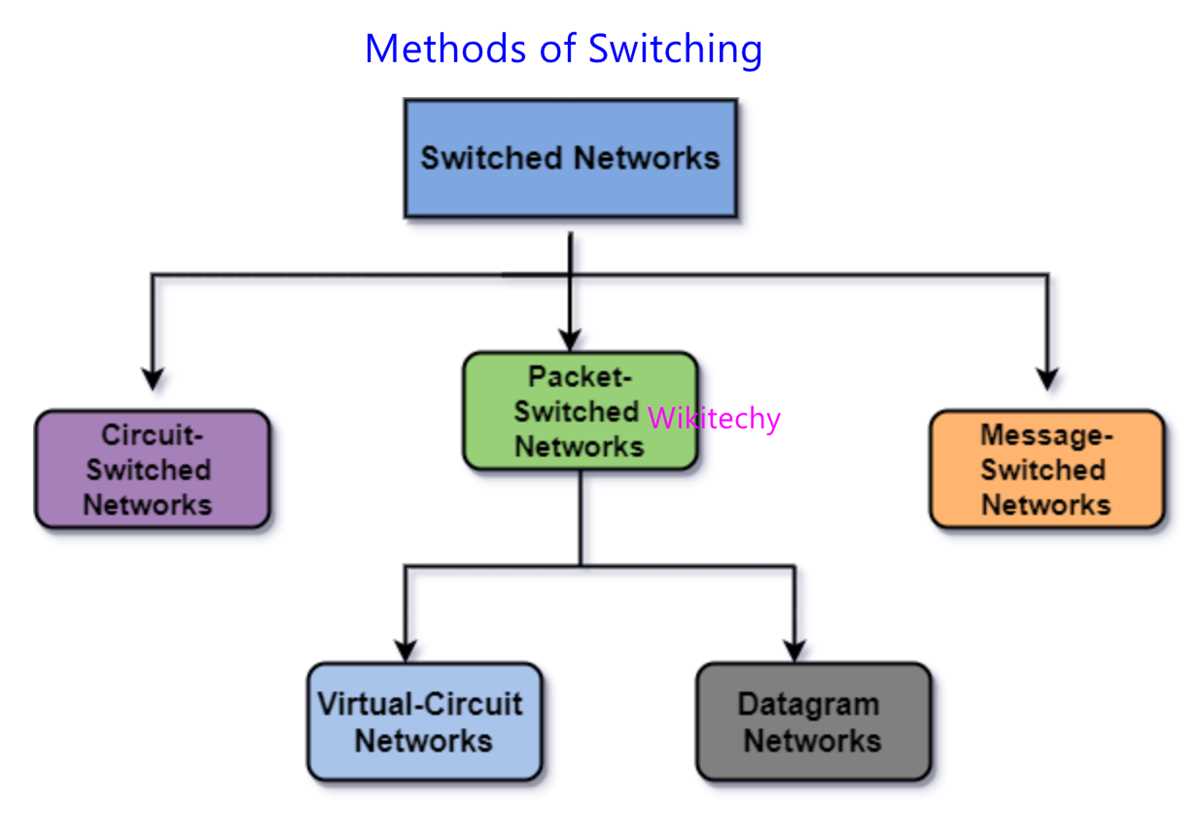
Allocate a dedicated communication path between two endpoints before any voice or data transmission begins. In traditional telephone infrastructure, the network first reserves a continuous route through several exchange nodes. Only after this route is established can the conversation start.
Each call passes through a sequence of telephone exchanges connected by trunk lines. When a user dials a number, signaling messages travel through these exchanges to locate the destination subscriber. Once the target line is identified, the system locks a chain of physical channels linking both sides.
This reserved path remains active for the entire call duration. No other users share the allocated bandwidth during that period. For example, classic public switched telephone networks assign a fixed 64 kbps channel per voice connection using time division multiplexing inside digital exchanges.
Connection release occurs after either party hangs up. Control signals instruct every exchange along the route to free the reserved channels. The network then returns those channels to the available pool so other calls can use them.
Circuit Switching Diagram Showing Dedicated Call Path Through Network Switches
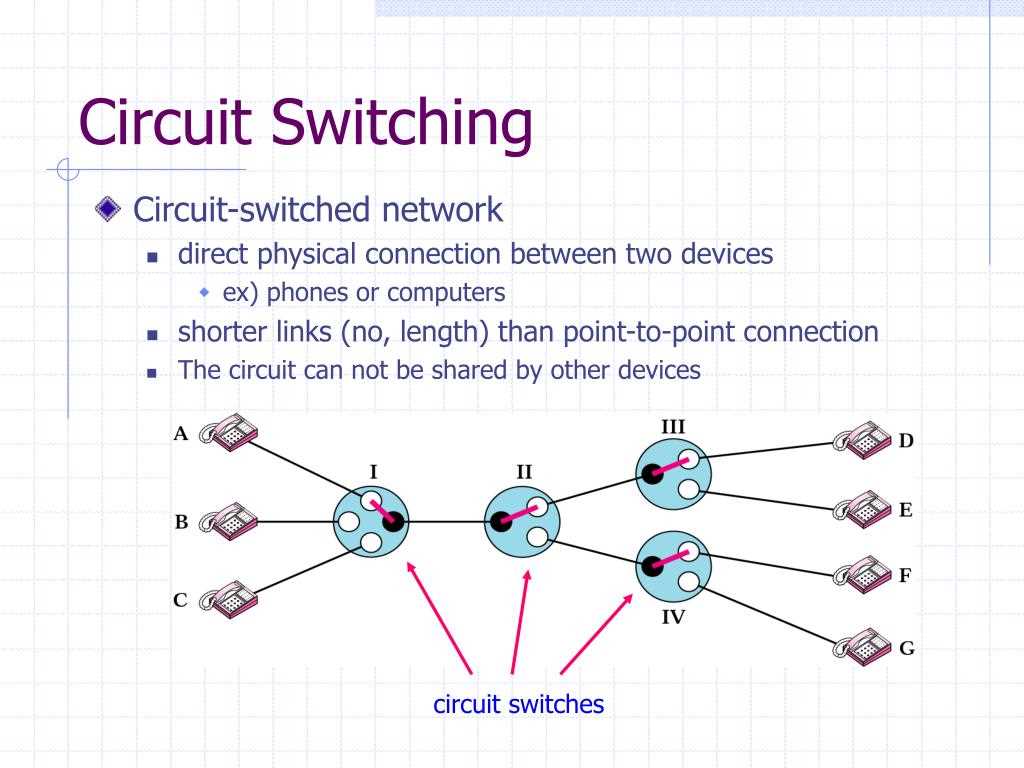
Reserve a continuous communication route through multiple telephone exchanges before any voice transmission begins. When a subscriber dials a number, signaling messages travel from the originating exchange toward the destination exchange. Each intermediate node selects an available trunk channel and links it to the next node, forming a fixed connection between both endpoints.
Call Path Formation
The route typically passes through several switching centers connected by high-capacity trunk lines. Inside digital exchanges, voice data usually occupies a 64 kbps time slot created by time division multiplexing. Each exchange allocates one time slot on the incoming trunk and another on the outgoing trunk, connecting them internally so the audio signal flows through the network without interruption.
Dedicated Channel Behavior
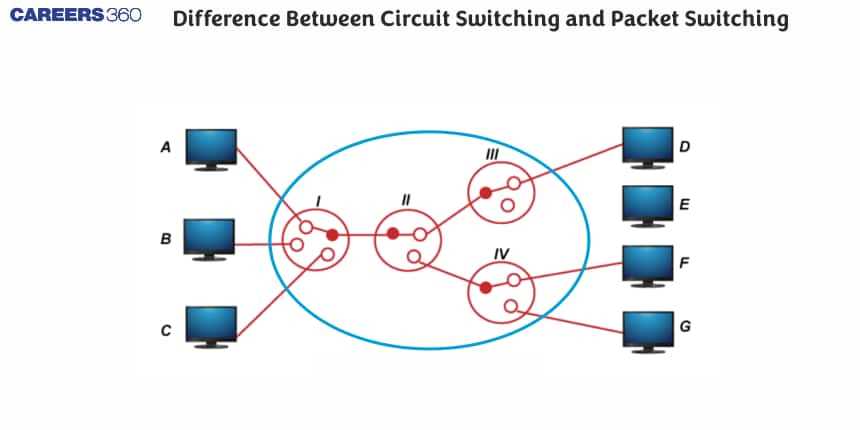
Once the route is established, the assigned bandwidth remains reserved for the entire call duration. No additional users share those channels until the conversation ends. When either party hangs up, control signals travel along the same path, instructing every exchange to release the allocated trunk resources and return them to the available pool.
Step by Step Path Setup Between Two Telephones in Circuit Switching Networks
Dial the destination number and allow the local exchange to interpret the digits. The subscriber line sends signaling pulses or DTMF tones to the nearest switching office, where a call control processor checks numbering tables and selects an outbound trunk toward the next exchange.
The first switching office reserves a free voice channel on the outgoing trunk. In many legacy telephone systems this channel equals a 64 kbps PCM time slot created by time division multiplexing. The exchange links the caller’s subscriber line to that channel while sending a setup message to the next node.
Intermediate Exchange Connection
Each transit exchange receives the setup request, analyzes routing tables, and searches for an available trunk toward the destination region. After locating a free channel, the exchange connects the incoming time slot to an outgoing one inside its internal matrix. This process repeats through multiple switching offices across the network.
If a trunk group has no available channel, the exchange attempts an alternate route. Telephone networks often maintain several possible paths between large switching centers to reduce call blocking during heavy traffic.
When the request reaches the destination exchange, the system checks whether the target subscriber line is idle. If the line is free, the exchange applies ringing voltage–commonly around 70 to 90 volts AC at about 20 Hz–to alert the called device.
Voice Channel Activation
Once the receiver is lifted, an answer signal travels backward through every exchange that participated in route creation. Each node confirms the connection and keeps its allocated time slots locked for the conversation.
During the call, audio travels as a continuous stream through the reserved channels. No packet routing or dynamic reassignment occurs; the bandwidth remains dedicated between both endpoints.
When either user hangs up, a release signal propagates across the same chain of exchanges. Every node clears its cross-connections and returns the trunk channels to the free pool for future calls.