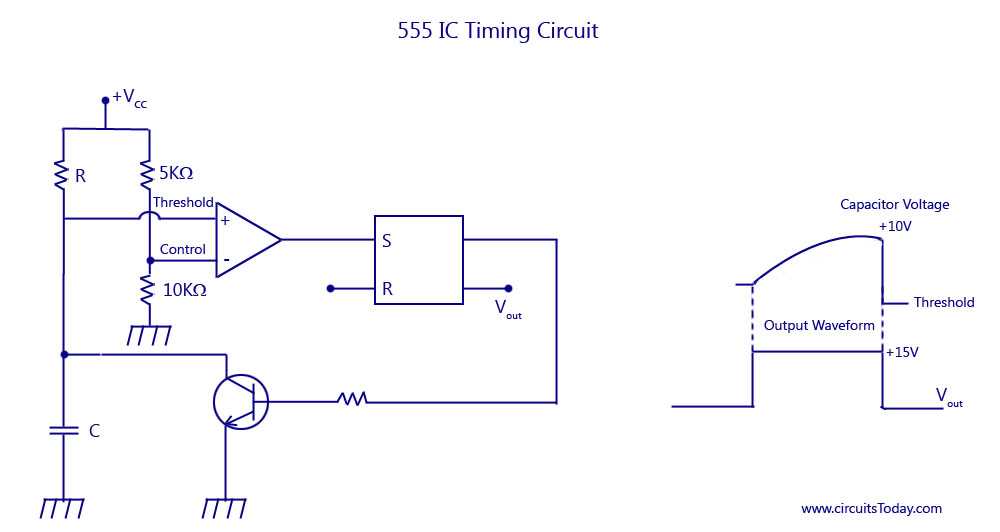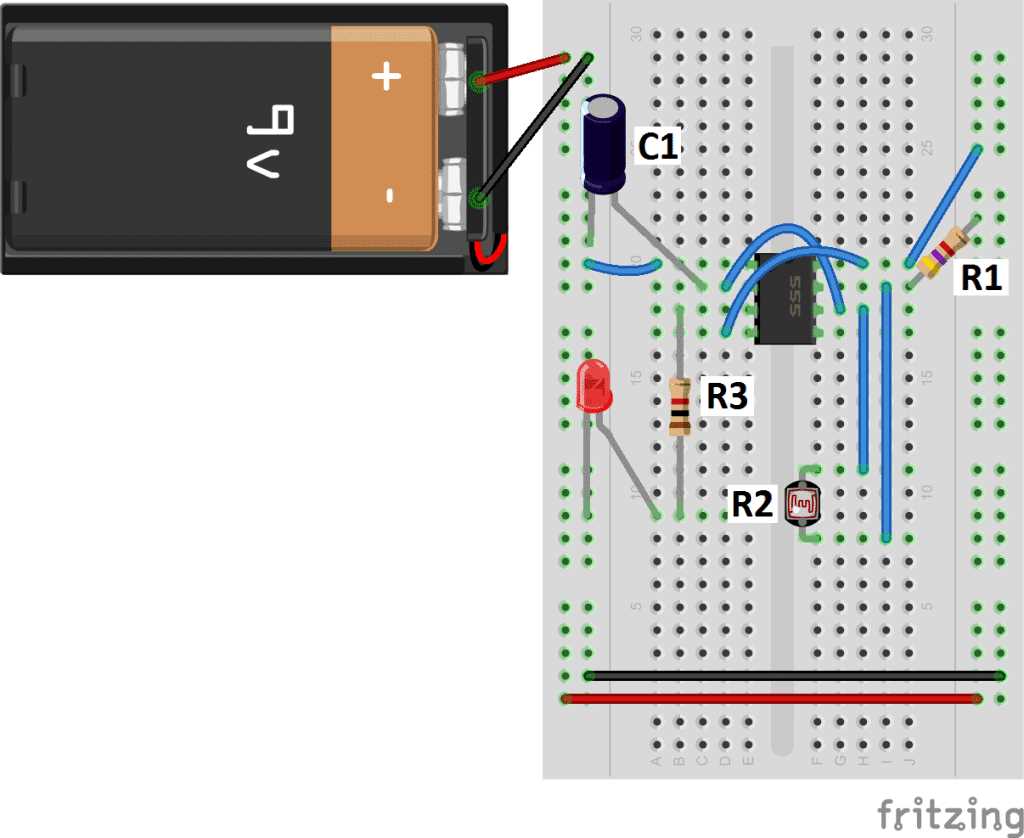
The IC 555 is a versatile and widely used integrated circuit, primarily employed for generating timing signals. This component can function in monostable, astable, and bistable modes, allowing a variety of applications such as timers, frequency generators, and pulse-width modulation. Understanding the connection process and pin configuration is key for designing and implementing effective circuits with the IC.
To build a basic setup with this chip, focus on connecting the necessary components in alignment with the datasheet recommendations. A common configuration involves connecting resistors, capacitors, and control pins, which are vital for determining the frequency and duty cycle. By carefully selecting component values, you can achieve the desired performance for timing operations or signal generation.
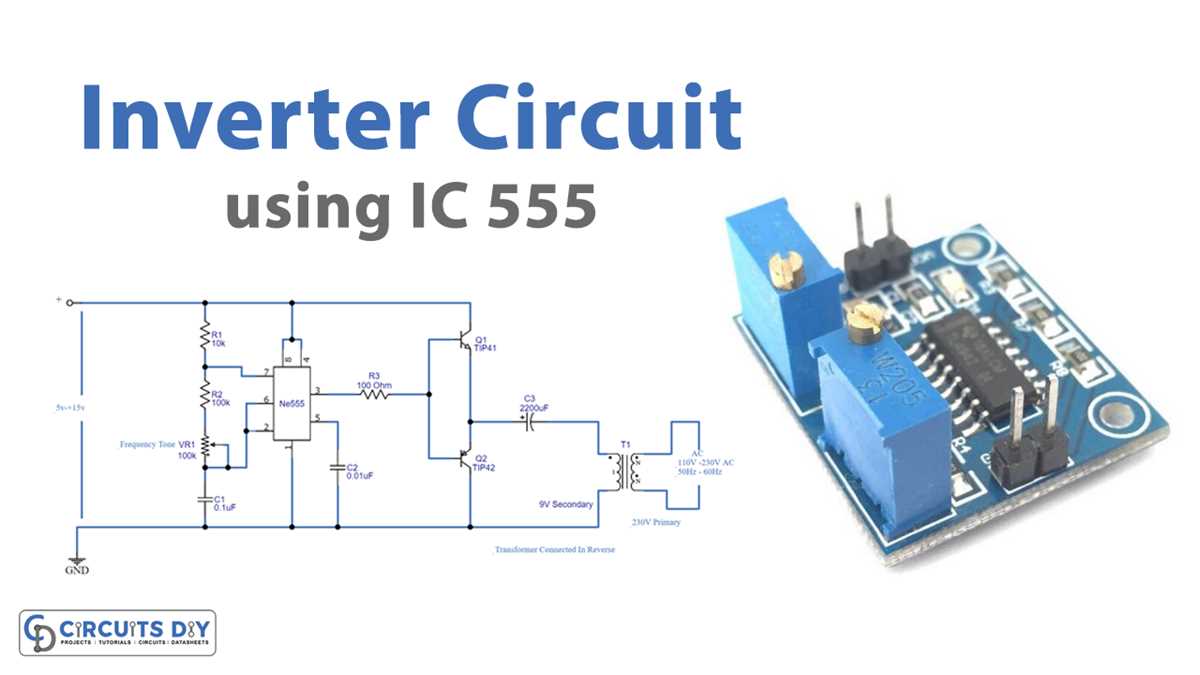
Once the components are in place, the behavior of the IC is influenced by the setup of its pins–especially the trigger, threshold, and control pins. These connections allow the chip to perform specific tasks, such as generating a pulse or timing a delay. A well-designed circuit will use the IC’s pins effectively, ensuring that the circuit operates reliably and efficiently.
Understanding the IC 555 Configuration
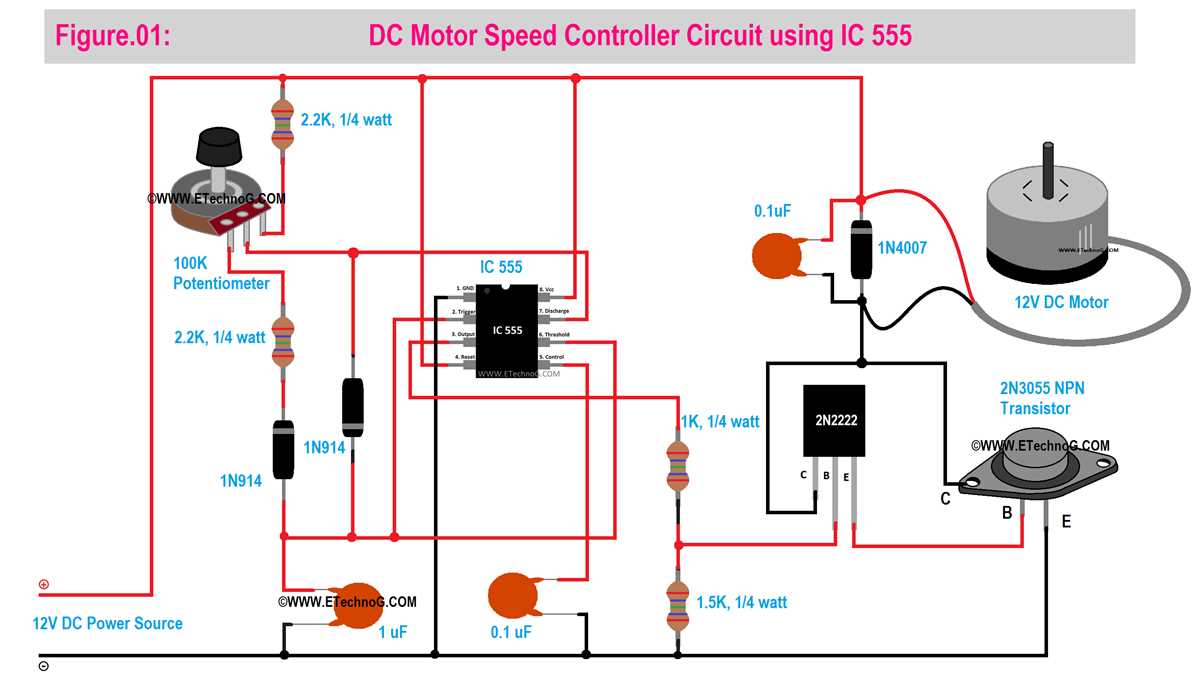
To utilize the IC effectively, connect the positive terminal (pin 8) to the voltage supply, while pin 1 should be grounded. The discharge pin (pin 7) is responsible for controlling timing intervals in most configurations. For astable mode, connect a resistor between pins 7 and 8 to set the frequency, while another resistor goes from pin 7 to pin 6. A capacitor between pin 6 and pin 1 will define the timing cycle.
The trigger pin (pin 2) activates the timing process when a voltage lower than one-third of the supply voltage is applied. To complete the setup, the output pin (pin 3) will provide the generated signal. Depending on the mode selected, connecting the reset pin (pin 4) will allow you to control the chip’s activation. Properly managing each of these connections will enable the IC to function as a precise time delay or pulse generator for your project.
How to Connect Components in an IC 555 Timer Circuit
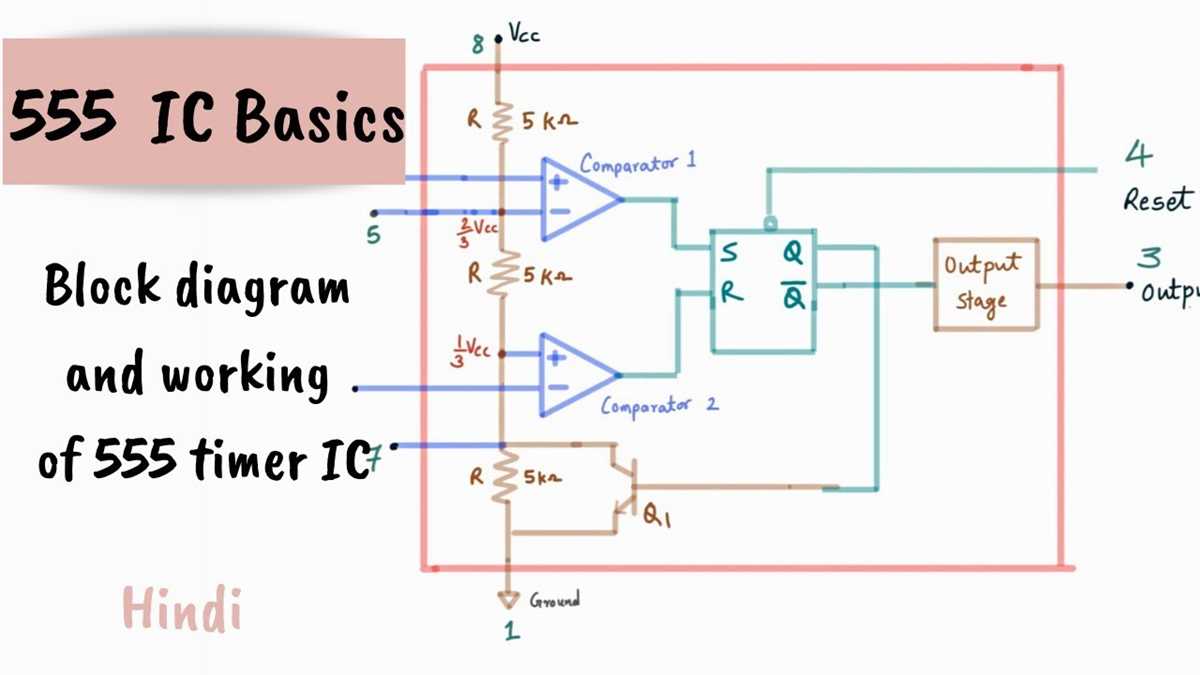
First, connect the positive power supply to pin 8 and ground to pin 1 of the IC. The timing resistor should be placed between pin 7 and pin 8 to control the timing cycle. Pin 7 connects to pin 6 with another resistor, which helps set the discharge time. A capacitor needs to be placed between pin 6 and ground to define the charge and discharge behavior, directly influencing the timing intervals.
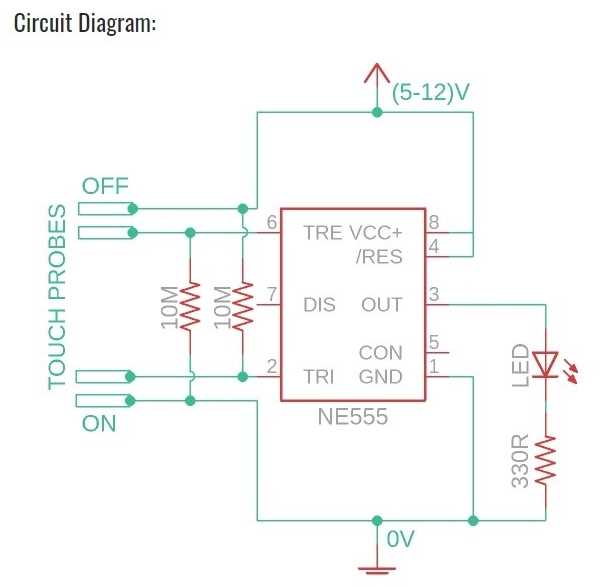
Pin 2 acts as the trigger input, so it must be connected to a signal that drops below one-third of the supply voltage for activation. For a stable output, pin 3 will provide the signal once the timer is triggered. Pin 4, the reset pin, is typically linked to the positive supply to prevent unintentional resets. Fine-tune the resistor and capacitor values to adjust the frequency or time delay according to your project requirements.