Assign each signal line and device a clear identifier to prevent connection errors and ensure smooth troubleshooting. Use consistent alphanumeric codes for resistors, capacitors, and integrated circuits.
Mark power rails and ground paths distinctly using standardized labels such as VCC, GND, or +12V. This avoids misrouting during assembly and helps technicians quickly trace critical connections.
Document connector pins and terminals with explicit tags. For multi-pin modules, specify pin functions in an accompanying table to reduce ambiguity during testing or replacement.
Verify all components against a reference list to confirm their function and polarity. Include test points for voltages and signals, allowing safe inspection without dismantling the layout.
Mastering Labeling and Identification in Electrical Schematics
Assign each component a distinct identifier using consistent alphanumeric codes to separate resistors, capacitors, diodes, and transistors. Highlight power inputs and outputs clearly with labels like +5V, GND, and VCC to prevent connection errors and ensure accurate assembly and testing.
Create a reference table for multi-pin modules and connectors detailing pin functions, signal direction, and voltage levels. Include test points for voltage and continuity checks to streamline troubleshooting without dismantling the layout, ensuring precise maintenance and quick diagnostics.
Decoding Standard Symbols and Their Assigned Functions
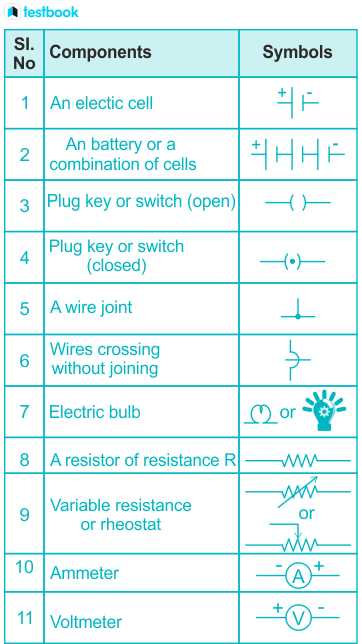
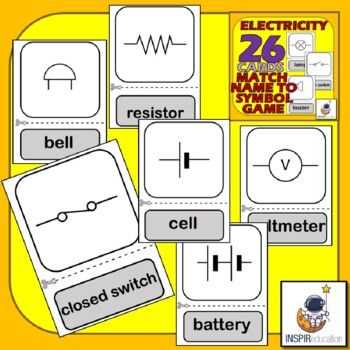
Identify each symbol by its shape and orientation to determine the component type quickly. For example, a zigzag line represents a resistor, a straight line with a perpendicular bar indicates a capacitor, and a triangle pointing to a line marks a diode. Use a legend or key on each schematic to match symbols with their functions and voltage ratings for accurate interpretation.
Maintain a consistent labeling convention for repeated elements and modules. Use lists or tables to track symbol usage, specifying pin numbers, polarity, and connection paths. This approach prevents misinterpretation during assembly and aids in troubleshooting complex layouts by showing which elements interact and how signals flow through the system.