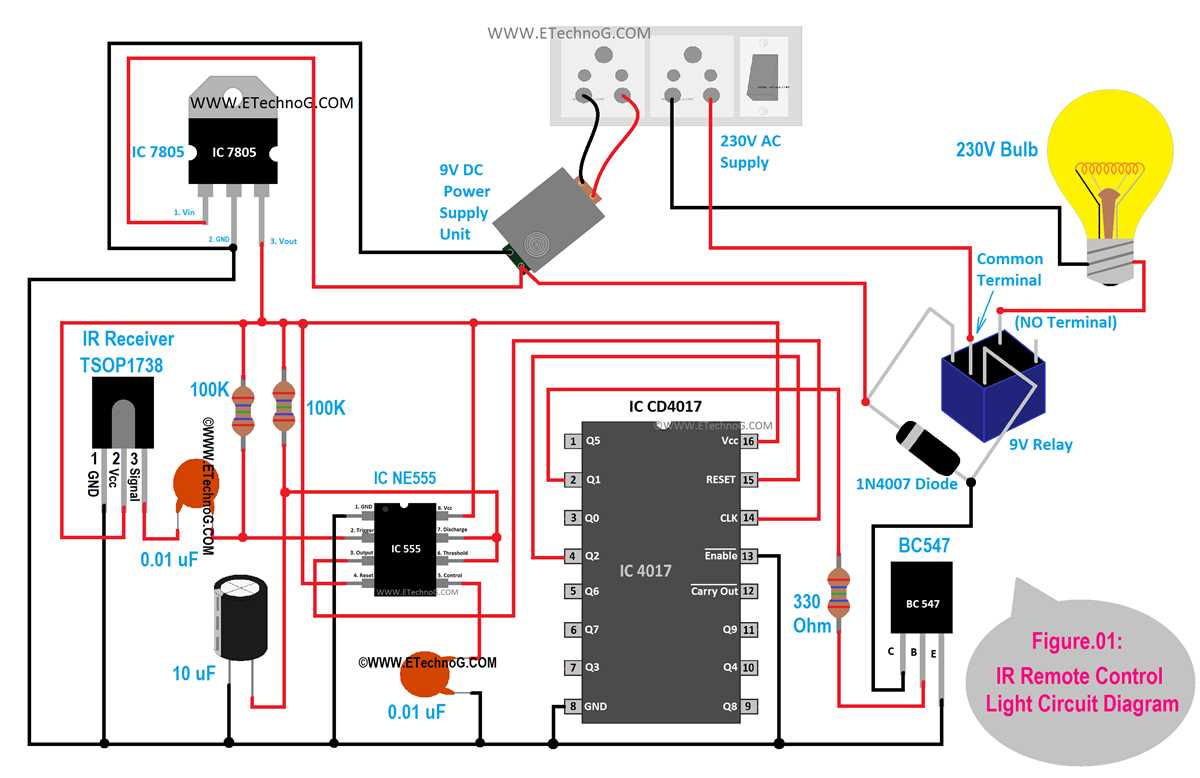
Start by selecting appropriate resistors and LEDs to ensure your project operates within safe voltage and current limits. Using components with the correct ratings prevents overheating and extends the lifespan of the setup.
Arrange the power supply and switches to allow easy access for testing and adjustments. A 5V or 12V source is suitable for small setups, while maintaining polarity is critical to prevent component damage.
Use proper connectors and insulated wires to maintain stable connections and reduce the risk of short circuits. Color-coded wiring helps identify positive and negative paths quickly during assembly and troubleshooting.
Test the system incrementally after each connection is made. Observing current flow with a multimeter and verifying that bulbs or diodes illuminate as expected ensures problems are caught early before full assembly.
Building Electrical Connections for Small Illumination Projects
Begin with selecting the correct resistors to control current flow through LEDs or small bulbs. A 220Ω resistor paired with a 5V source stabilizes brightness and prevents overheating.
Position switches near power inputs for convenient control during assembly and testing. Simple toggle or push-button switches allow easy on/off operation without disturbing wiring.
Use copper wire with adequate gauge; 22 AWG works well for short runs under 12V. Thin wires may overheat, while excessively thick wires are harder to bend and connect precisely.
Arrange components on a breadboard for temporary setups. This lets you adjust connections, measure voltages, and verify functionality before soldering permanent joints.
Ensuring Reliable Connections
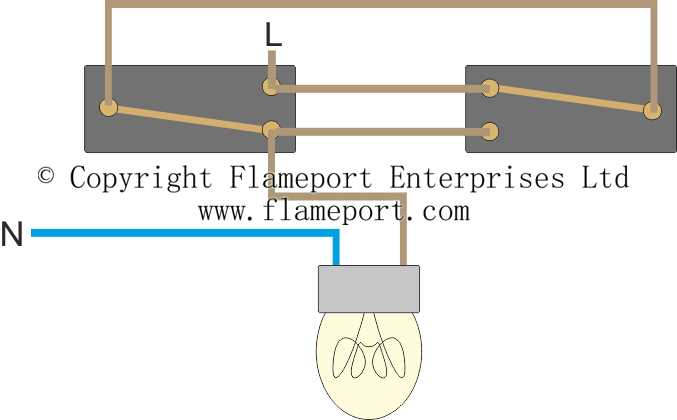
Twist leads together and solder firmly to reduce contact resistance. Insulate exposed metal with heat shrink tubing or electrical tape to prevent accidental shorts.
Include a multimeter in your testing process. Measure voltage across each device and confirm current does not exceed recommended levels for each bulb or diode.
Optimizing Performance
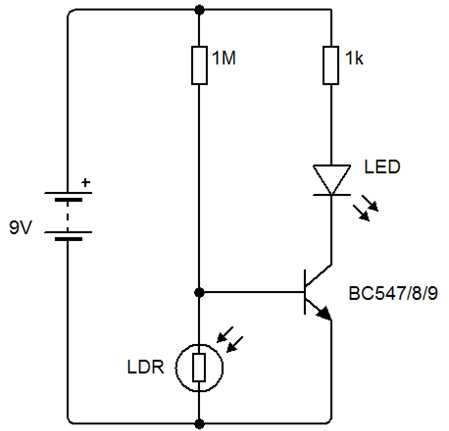
Test circuits incrementally rather than connecting all elements at once. Add one component at a time, verify operation, then continue. This approach makes troubleshooting faster and safer.
Label all connections with markers or colored tape. Identifying positive, negative, and control lines avoids confusion during adjustments or repairs and speeds up assembly for multiple projects.
Choosing Components for a Basic Light Circuit
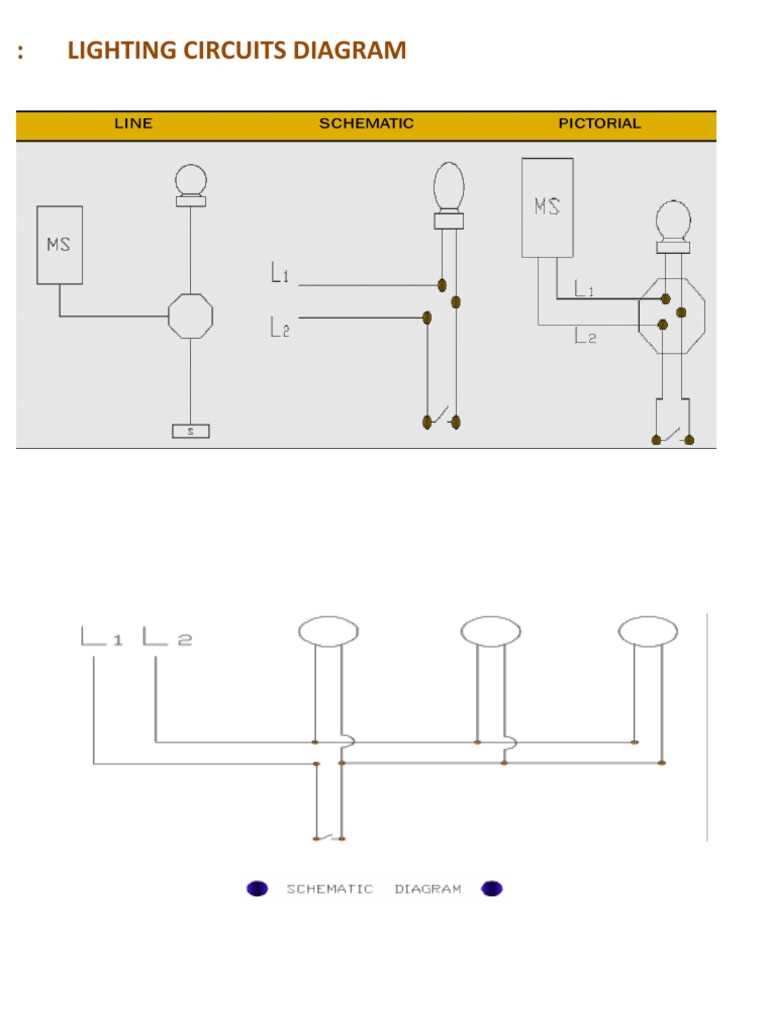
Select resistors and bulbs based on voltage and current ratings to avoid overheating or dim output. For a 5V power source, 220Ω resistors paired with standard 3mm LEDs maintain safe brightness levels. Use a multimeter to verify actual resistance before installation. Consider including a fuse for protection if using higher voltages.
Organize your parts for assembly and test functionality individually:
- LEDs or small incandescent bulbs with matching voltage ratings
- Resistors calculated using Ohm’s law to limit current
- Switches suitable for the expected load
- Insulated wires of 22–24 AWG for short connections
- Battery or regulated DC power supply to maintain steady output
Label each component and group by function to reduce errors during assembly. Testing each element separately before connecting the full setup ensures stable performance and easier troubleshooting.