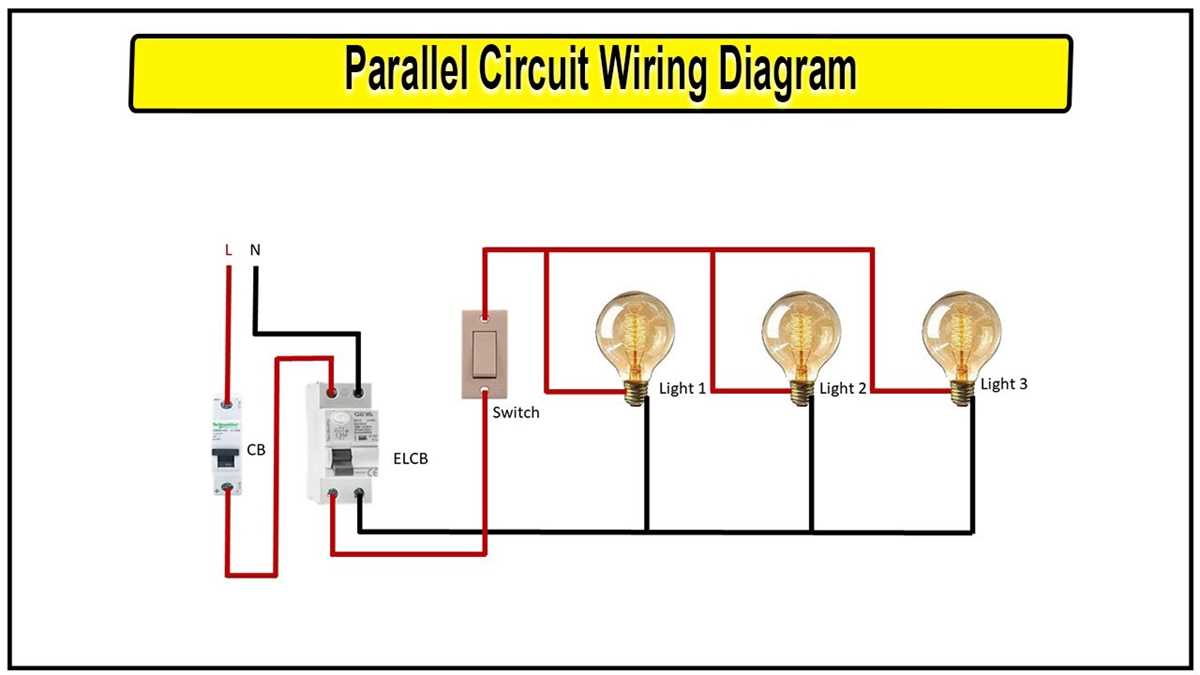
When connecting multiple devices to a power source, it’s important to understand the wiring method that ensures each unit receives the correct voltage. The most common method for such connections is arranging components in a specific way to allow current to flow through each of them independently. In this configuration, every component has its own path to the source, which prevents overloading and allows for efficient power distribution.
Start by making sure each component is linked directly to the power and ground terminals. This method ensures that the voltage across each unit remains constant, regardless of how many components are added to the system. This setup is widely used in everything from household appliances to industrial machines, making it a practical and versatile choice for various electrical needs.
In such a setup, the total current will be the sum of the currents flowing through each component. This is a key characteristic that distinguishes this arrangement from others. By ensuring that the total voltage remains consistent across each unit, this system helps prevent power loss and ensures that all devices function as expected, even when additional components are added.
Parallel System Breakdown
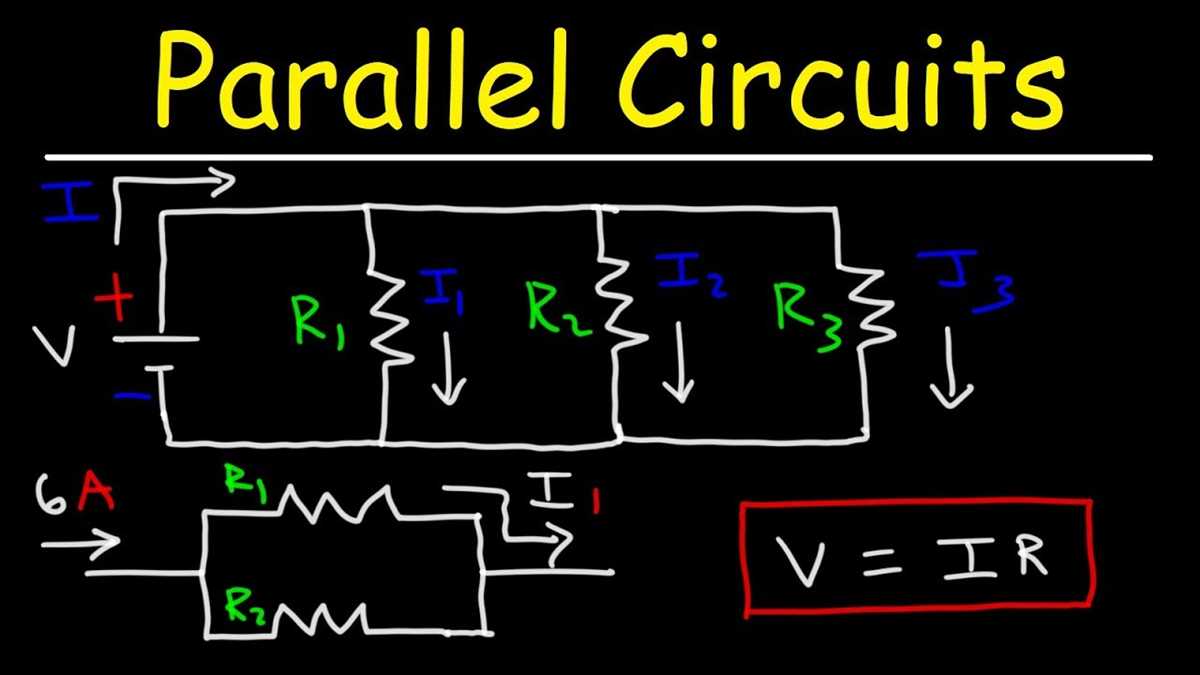
When setting up multiple devices to a shared power source, each device must be connected independently. This ensures that each unit receives the same voltage regardless of the number of components in the setup. The current, however, is divided across each device according to its resistance, with devices that have lower resistance drawing more current. This setup allows the devices to work simultaneously without affecting each other’s performance.
In a standard setup, the power source connects to each unit with separate connections, avoiding a series arrangement where current must pass through each device sequentially. This method ensures that if one device fails or is removed, the others continue to function as normal. The key benefit of this configuration is the ability to maintain consistent voltage while managing how current is distributed among multiple components.
By using this configuration, the total current flowing through the system will be the sum of the individual currents through each component. The overall resistance of the setup is calculated differently than in a series arrangement; the total resistance decreases as more devices are added. This results in better performance for devices requiring consistent power, especially in larger installations.
How to Connect Multiple Components in a Parallel Setup
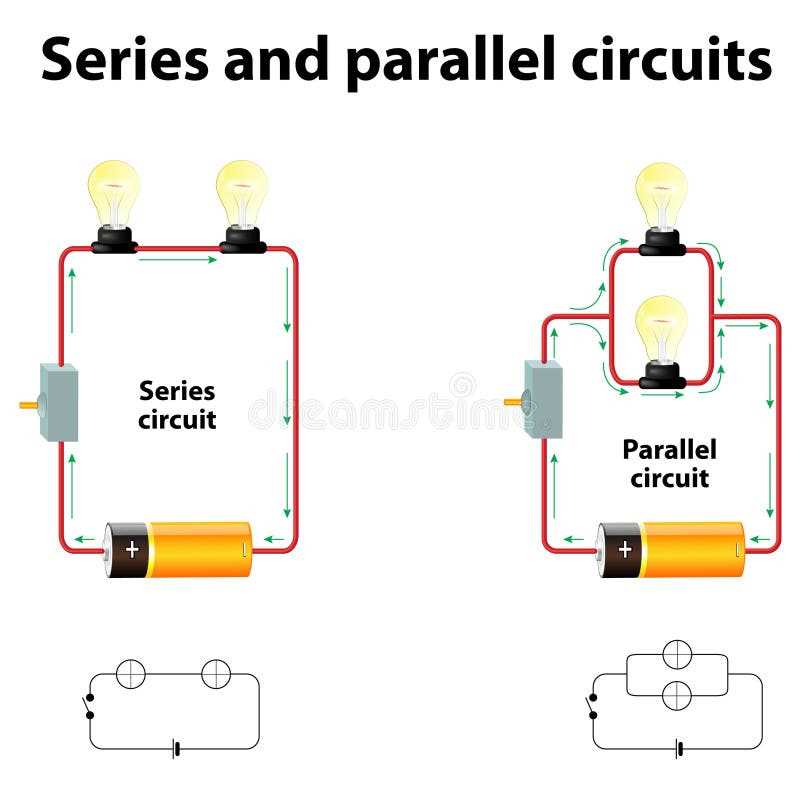
To connect several components to a single power source in this arrangement, each component must have its own path to the positive and negative terminals of the power source. Start by attaching one lead from the positive terminal of the power source to the first terminal of each component. Repeat this for all devices to be connected. This ensures that each component receives the same voltage from the source.
The next step is to link the negative side of each component to the negative terminal of the power supply. This creates separate return paths for each unit, allowing them to operate independently without affecting the others. Make sure each negative lead from the devices is connected securely to the common return terminal of the power source.
It’s crucial to verify that the components are properly isolated from each other. Avoid any direct contact between the positive and negative leads of different components unless they are specifically designed to share a common connection point. This prevents short circuits and ensures the safety and functionality of the setup.
Finally, check the current ratings for each component. In a setup like this, each device will draw its required current independently based on its resistance. If a component is not rated for the amount of current it might draw, it could overheat or fail. Ensure that each unit in the setup can handle the current passing through it before powering on the system.