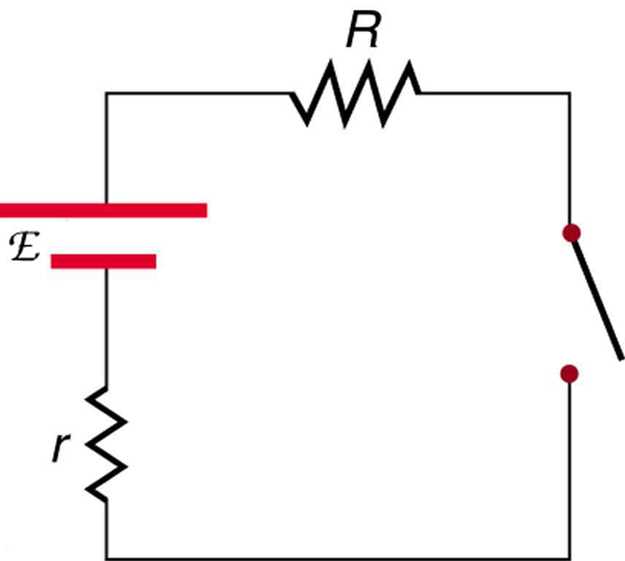
Identify the zigzag or rectangular symbol on a schematic first. This mark represents a passive component that limits current flow in an electronic path. In American drafting standards the symbol appears as a zigzag line, while European standards often use a small rectangle placed between two conductors.
Each component usually carries a value label such as 220 Ω, 1 kΩ, or 10 kΩ. These numbers indicate how strongly the component restricts current. A higher value reduces current flow, while a lower value allows more current to pass through the connection path.
Engineers often place several of these components in series or parallel arrangements. In a series chain, current passes through each component sequentially and the total resistance equals the sum of all values. In a parallel layout, current divides across multiple branches and the combined resistance becomes lower than the smallest individual value.
Reading a schematic layout requires tracing conductor lines from the power source through each component symbol and toward the load. Labels, node points, and reference designators such as R1, R2, or R10 identify each component and show how they interact within the electronic network.
Circuit Diagram for Resistor With Symbol Meaning and Series Parallel Connection Layout
Locate the zigzag or rectangular component symbol on the schematic layout and read the value printed next to it. Markings such as 330 Ω, 4.7 kΩ, or 100 kΩ indicate how strongly the component limits current. Always confirm the value label before tracing the conductor path through the rest of the electronic network.
Symbol Meaning in Electronic Schematics
American drafting style usually displays this component as a zigzag line placed between two conductors, while European standards show a narrow rectangle. Both shapes represent the same passive element that converts part of the electrical energy into heat while controlling current flow.
Reference designators placed near the symbol identify each component position. Labels such as R1, R2, or R15 correspond to entries in a parts list where the exact resistance value, tolerance, and power rating appear. This numbering allows technicians to locate the same component quickly on a printed board.
Series and Parallel Layouts
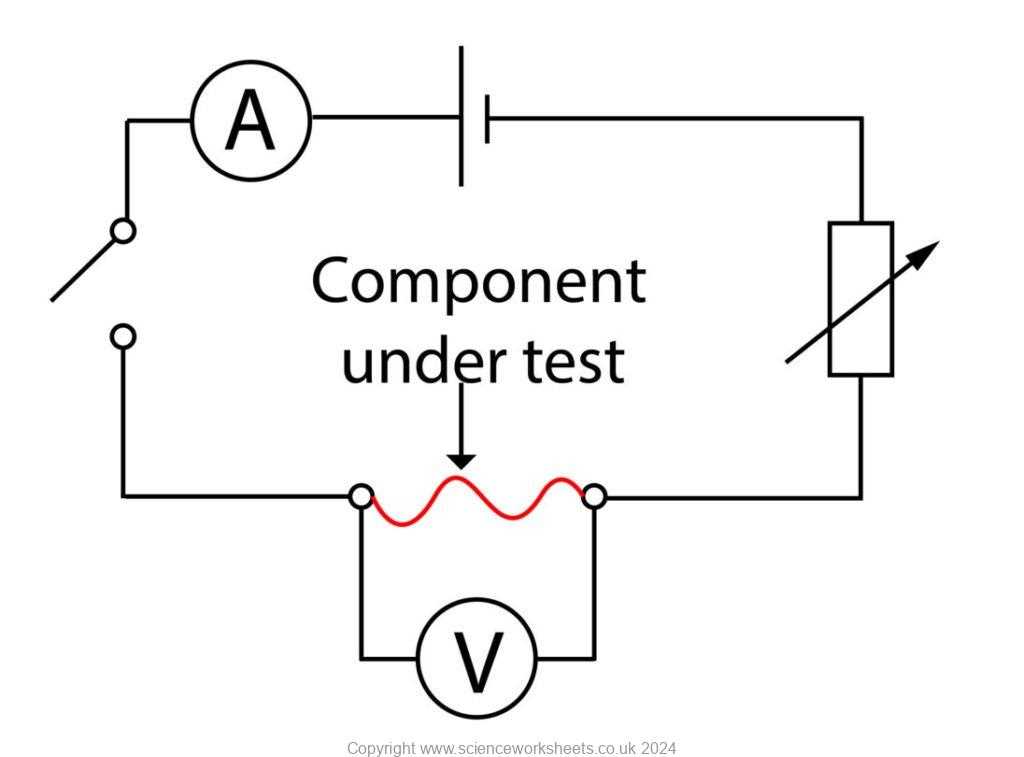
In a series arrangement, several resistance elements connect one after another along the same path. Current flows through every element sequentially, and the total resistance equals the sum of all individual values. For example, three elements rated at 100 Ω each create a total of 300 Ω along that path.
A parallel arrangement splits current across separate branches. Each branch contains its own resistance element connected between the same two nodes. The combined resistance becomes lower than the smallest individual value, which increases total current drawn from the power source.
Trace the lines connecting each symbol to determine whether the elements share the same path or branch into multiple routes. Node dots indicate direct connections between conductors, while crossing lines without a dot show paths that do not interact.
How to Identify the Resistor Symbol and Value Marking in Circuit Diagrams
Locate the zigzag or rectangular component mark on the schematic first. This graphic sign represents a current-limiting element placed between two conductors. In American drafting standards the shape appears as a zigzag line, while European notation uses a small rectangle connected to straight lines.
Common Symbol Variations
Recognize the two main visual styles used in electronic plans.
- Zigzag line between two straight conductors used in ANSI style drawings
- Narrow rectangle between conductors used in IEC style documentation
- Variable element symbol with an arrow crossing the shape
- Trimmer component mark with a small adjustment arrow
Reference designators appear next to the symbol and identify the part location on a board or schematic. Typical markings include R1, R2, R10, or R47. Each identifier corresponds to a part list entry that specifies resistance value, tolerance rating, and power capacity.
Reading Resistance Value Labels
Check the numeric marking placed near the symbol. These labels represent resistance measured in ohms.
- Plain numbers such as 220 indicate 220 ohms
- Values with k represent kilo-ohms such as 4.7k meaning 4700 ohms
- Values with M represent mega-ohms such as 1M meaning 1,000,000 ohms
- Decimal notation like 0.47Ω indicates fractional resistance
Some drawings include tolerance indicators such as ±1% or ±5%. This percentage shows how much the real component value may differ from the printed rating. Precision electronic systems often require low tolerance parts.
Power ratings may appear in technical notes or component tables. Common ratings include 0.25 W, 0.5 W, and 1 W. Higher ratings allow the component to dissipate more heat without damage.
Trace conductor lines connected to the symbol to determine how the component interacts with nearby elements such as transistors, capacitors, or integrated circuits. Node dots indicate direct junctions, while crossing lines without dots represent conductors that do not connect.