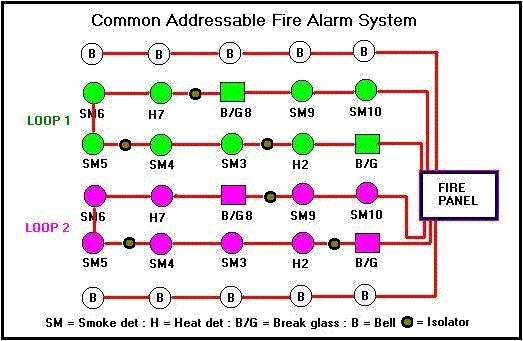
Install ionization or photoelectric sensors in hallways, kitchens, and utility rooms for rapid identification of smoke particles. Connect each detector to a low-voltage control panel using twisted-pair wires to minimize interference and ensure accurate signal transmission.
Incorporate a backup power module with rechargeable batteries capable of sustaining the alert mechanism for at least 24 hours during mains outage. This prevents system downtime and guarantees continuous monitoring in critical areas.
Integrate auditory and visual warning devices such as sirens and strobe lights in high-traffic zones. Ensure the devices are rated for at least 85 decibels and positioned for maximum coverage without blind spots.
Include a manual activation switch near exits to allow immediate notification in case of visible smoke or unusual heat signatures. Wiring should follow a series-parallel configuration to maintain functionality even if a single line fails.
Test the installation regularly by simulating smoke conditions with safe aerosol testers or thermal triggers. Record response times and adjust sensor sensitivity to balance between false triggers and delayed alerts, ensuring reliable performance in residential or commercial settings.
Blueprint for Smoke Detection Setup
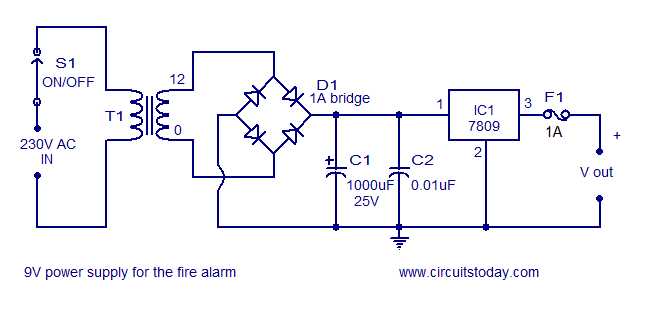
Install photoelectric and ionization sensors at ceiling corners and near ventilation shafts for rapid detection of combustion gases. Use a 24V DC power supply with a 1A fuse to prevent overloads, and connect devices in a parallel arrangement to maintain functionality if one unit fails.
Incorporate an audible siren with a 90–110 dB output and a visual strobe rated at 60 flashes per minute to ensure immediate occupant awareness. Position notification devices at 10–15 feet intervals in corridors and every room with occupancy exceeding five people. Include manual pull stations at exits to allow instant activation by residents or staff.
Control Panel Wiring
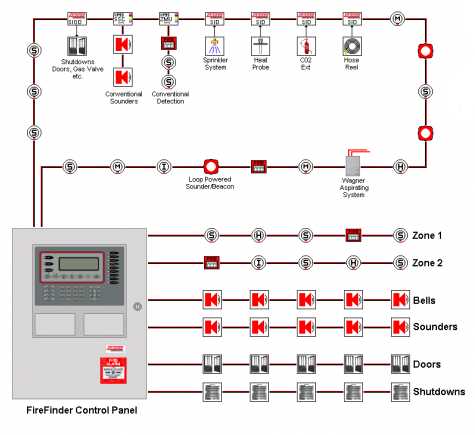
Link the detection units to a central monitoring hub with shielded two-core cable to reduce electromagnetic interference. Use a battery backup rated at 12V, 7Ah to maintain operation during outages. Include end-of-line resistors at each branch to supervise circuit integrity and trigger alerts for wiring faults.
Choosing and Connecting Sensors in a Fire Detection Network
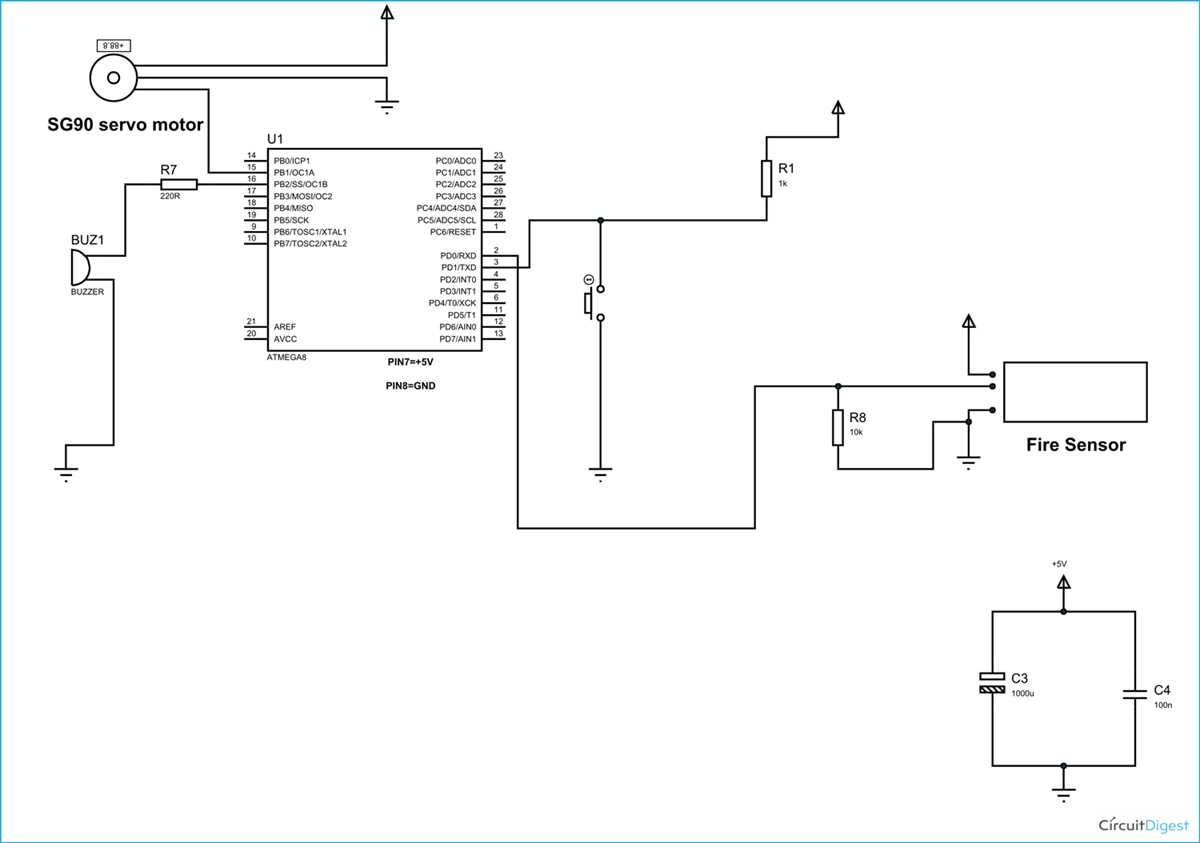
Select optical smoke sensors in areas with high air circulation, and ionization detectors in spaces prone to fast-flaming ignitions. Use temperature sensors for kitchens or boiler rooms where smoke alone may not trigger alerts.
Wire each sensor in parallel to maintain independent detection. Series connections risk disabling multiple devices if one fails. Ensure voltage drop does not exceed 10% across the longest branch.
- Use 18-22 AWG twisted pair for distances under 50 meters.
- For longer runs, switch to 16 AWG to reduce resistance and signal degradation.
- Shielded cabling is recommended near motors or fluorescent lighting to prevent false triggers.
Place smoke or heat detectors at ceiling height, at least 50 cm from walls, and avoid corners where airflow may bypass the sensing element. Maintain a minimum 3-meter distance from ventilation inlets.
Integrate addressable sensors with the control hub by assigning unique IDs. This allows precise localization of activations and reduces troubleshooting time. Non-addressable units require careful mapping to avoid ambiguity in detection points.
- Test each device individually before linking.
- Check continuity and insulation resistance to prevent phantom triggers.
- Confirm power polarity matches sensor specifications; reversed connections can damage components.
Combine optical and thermal units in mixed environments. Optical sensors respond faster to smoldering sources, while thermal units detect rapid temperature rises. Layering these technologies improves overall sensitivity without increasing false responses.
Label all sensor wiring and document positions on facility blueprints. Use color-coded terminals: red for positive, black for negative, yellow for signal lines. This simplifies maintenance, future upgrades, and fault isolation.