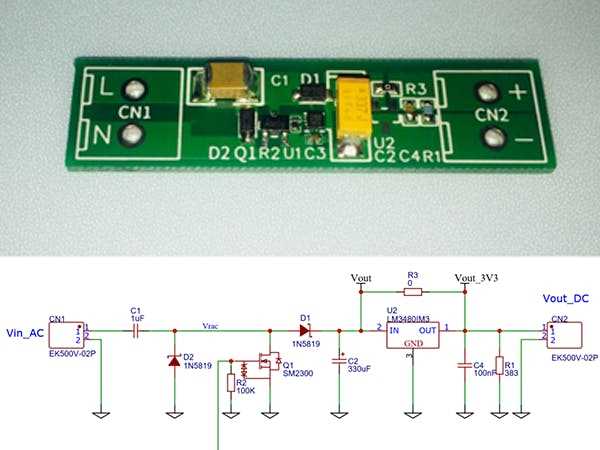
Connect the input lines to a properly rated AC source ensuring correct voltage and frequency. Verify polarity with a multimeter before energizing the system to prevent damage to rectifiers and downstream components.
Install the rectifying bridge using suitable diodes rated above the peak input current. Ensure proper heat dissipation with a heatsink and maintain secure solder joints to avoid voltage drops or intermittent operation.
Include filter capacitors across the output terminals to smooth voltage fluctuations. Calculate capacitance based on load current and ripple tolerance, and verify electrolytic orientation to prevent damage or failure.
Test the output with a regulated load to confirm stable DC voltage. Adjust any series resistors or additional smoothing components to maintain target voltage under varying loads, and monitor for excessive heat or abnormal readings.
AC to DC Converter Circuit Guide
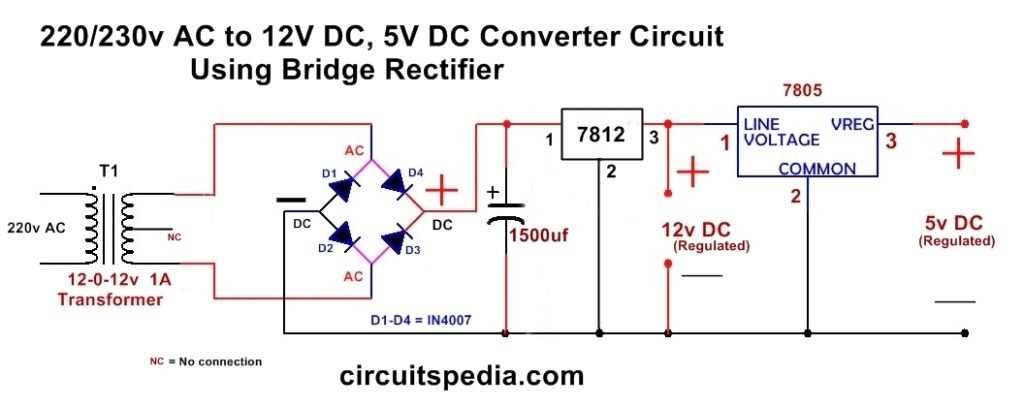
Connect the AC input lines to a properly rated source and verify voltage using a multimeter. Ensure the connections match phase and neutral designations to prevent reverse polarity and damage to rectifying elements.
Install a bridge of diodes or rectifying modules rated above the peak load current. Use a heatsink for high-current applications and maintain firm solder or screw connections to prevent voltage drops and intermittent operation.
Add filter capacitors across the output terminals to smooth the DC voltage. Calculate capacitance based on expected load current and ripple tolerance, and check polarity of electrolytic capacitors to avoid failure or leakage.
- Include a fuse on the AC input to protect against short circuits
- Use series resistors or inductors for inrush current limiting
- Mount all components on a non-conductive board for safety
- Separate high-current and signal paths to reduce interference
Test the final setup under a controlled load to confirm stable voltage and minimal ripple. Observe heat on rectifiers and capacitors, and measure output voltage under different loads to ensure reliable performance.
Selecting Components and Input Specifications
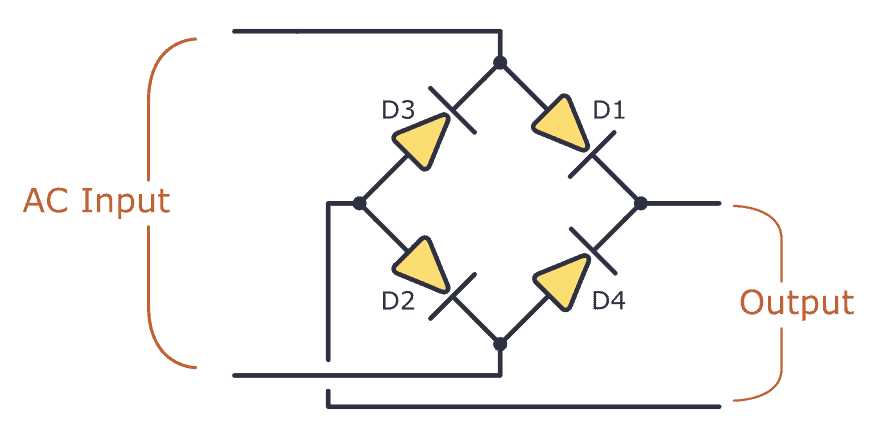
Choose the AC input source carefully based on voltage rating and frequency. Standard household lines usually provide 120V or 240V at 50 or 60 Hz, and the selected modules must handle peak voltage without breakdown.
Select rectifying diodes or modules with adequate current rating exceeding the maximum expected load by at least 20%. For high-current applications, consider using heat sinks or multiple diodes in parallel to prevent thermal overload.
Determine filter capacitance based on load requirements and allowable ripple. Electrolytic capacitors should have a voltage rating 25-30% higher than peak output, and low ESR types improve voltage stability under varying loads.
Choosing Safety and Control Components
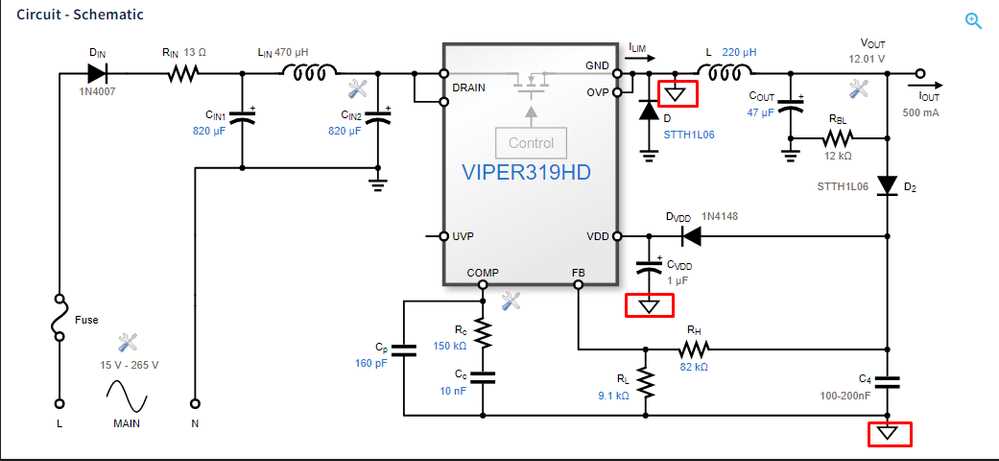
Include input fuses, thermal cutoffs, and surge protectors to safeguard the assembly. Overcurrent and overvoltage protection ensures long-term reliability and prevents damage to sensitive downstream devices.
Testing and Verification
Verify input specifications and component ratings with measurement tools before energizing the assembly. Measure voltage, current, and ripple under a test load to confirm the selection of all components meets design requirements.