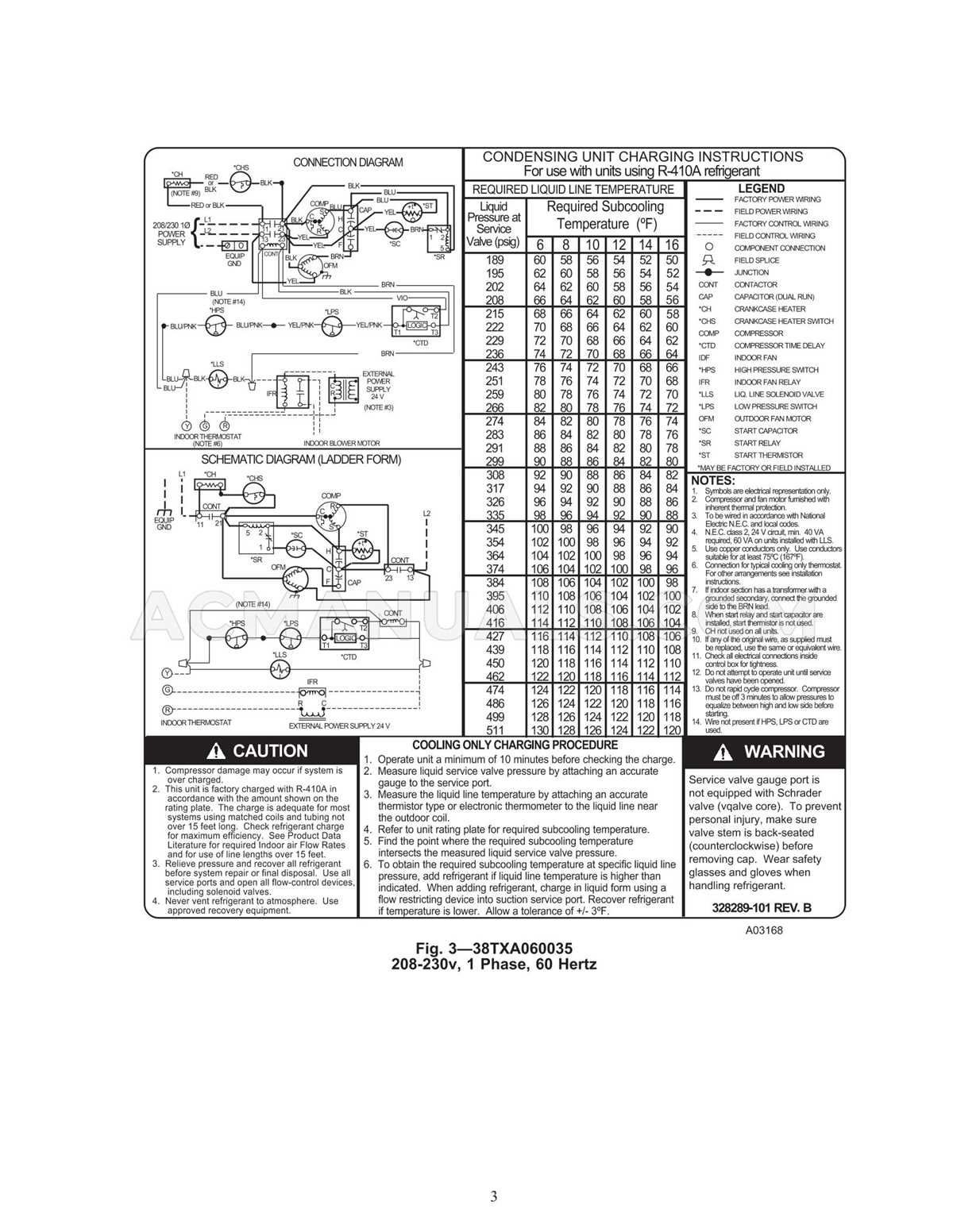
Connect the thermostat cable to the low-voltage terminals exactly as labeled on the indoor control board. The R terminal supplies 24-volt power from the transformer, while C provides the common return path required for digital thermostats.
Attach the Y conductor to the compressor control line leading to the outdoor unit contactor coil. When the thermostat calls for cooling, this path sends 24-volt control power to the contactor, closing the high-current contacts that feed the compressor and condenser blower.
The G terminal controls the indoor air handler motor relay. When energized, the blower motor begins pushing air through the duct system and across the evaporator coil.
Heating operation uses the W terminal, which activates the furnace ignition board or heating relay depending on the system type. Gas furnaces use this signal to trigger the ignition sequence, while heat pump systems may route the signal to auxiliary heating elements.
Always verify conductor color and terminal labels using the equipment service panel reference chart. Incorrect terminal placement can send control voltage to the wrong component, causing compressor lockout, blower failure, or continuous operation.
Carrier Wiring Diagram for Thermostat Connections and HVAC Control Board Layout
Connect the thermostat cable to the indoor control board using the labeled low-voltage terminals. The 24-volt supply from the transformer enters the thermostat through terminal R, while terminal C returns the common line. Cooling demand from the wall controller sends power through terminal Y to the outdoor unit contactor coil, closing the compressor power contacts. Blower activation uses terminal G, and heating call routes through W toward the furnace ignition board or auxiliary heat relay.
Typical Low Voltage Terminal Map
- R – 24 V supply from control transformer
- C – common return for thermostat electronics
- Y – compressor contactor control line
- G – indoor blower relay trigger
- W – heating request signal
- O/B – reversing valve control on heat pump systems
Verify terminal routing on the control board before powering the system. Use a multimeter to check that 24 V exists between R and C, then confirm voltage appears at Y or W only when the thermostat calls for cooling or heating. This inspection prevents incorrect conductor placement that could cause continuous blower operation, compressor lockout, or ignition faults.
Basic Connection Check
- Turn off system power at the breaker
- Confirm conductor placement on board terminals
- Restore power and measure R–C voltage
- Trigger cooling or heating from the thermostat
- Observe voltage appearing on the corresponding control terminal
Carrier Thermostat Terminal Wiring R C Y G W Connections Explained
Connect the thermostat power lead to terminal R on the indoor control board. This point carries 24-volt supply from the transformer and feeds the thermostat control electronics.
Attach the common return conductor to terminal C. Many digital thermostats require this return path for internal power. Without the C connection, display units may rely only on battery power and communication with the control board can become unstable.
Route the cooling request line through terminal Y. When the thermostat calls for cooling, 24 V leaves this terminal and travels through the control cable to the outdoor contactor coil. The energized coil closes high-current contacts that supply power to the compressor and condenser blower.
The indoor air handler motor responds to terminal G. When this terminal receives control voltage from the thermostat, the blower relay closes and the fan motor begins circulating air across the evaporator coil and through the duct network.
Heating demand travels through terminal W. In gas furnace systems this signal reaches the ignition control board, which begins the ignition sequence, opens the gas valve, and activates the combustion blower before the indoor blower starts.
Confirm correct placement of all conductors using a multimeter. Measure about 24 V between R and C, then trigger cooling or heating from the thermostat and verify voltage appears at Y or W. Incorrect terminal placement may cause constant blower operation, compressor failure to start, or heating cycle malfunction.