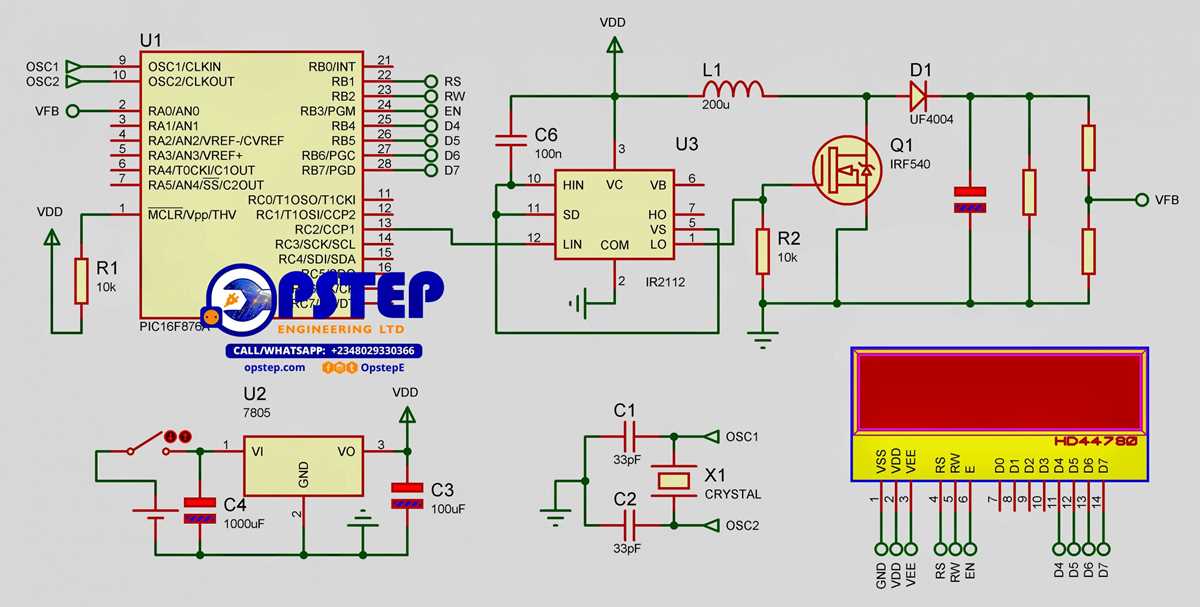
Connect the inductor directly between the input source and the switching transistor to minimize voltage drops and maintain stable energy transfer. Position the diode close to the switch to reduce parasitic losses and improve response time.
Capacitor placement near the output terminals is critical for smoothing voltage spikes and ensuring consistent DC output. Use low ESR types for better transient handling and lower ripple under varying loads.
Trace all control paths carefully to avoid interference between feedback loops and high-current tracks. Maintaining separation between sensitive voltage sensing lines and high-current switching paths prevents signal distortion and instability.
Check all solder joints and connection points for cold joints or excess resistance. A reliable physical connection ensures proper current flow and prevents overheating under load conditions.
Verify the load response by gradually increasing current draw and monitoring voltage regulation. Proper placement and routing of all active and passive components ensure consistent step-up performance across the operating range.
Converter Layout Showing Component Connections and Voltage Regulation Paths
Place the inductor as close to the power switch as possible to reduce parasitic resistance and maintain consistent energy transfer. Short, direct connections help minimize voltage drops and switching losses.
Position the diode between the switching node and output capacitor with minimal trace length to prevent unwanted voltage spikes. Ensure its orientation matches the current flow for accurate rectification and stable output.
Connect the output capacitor near the load terminals to smooth voltage ripple. Use low ESR capacitors to handle rapid current changes and maintain steady DC voltage under varying conditions.
Route the feedback and sensing traces away from high-current paths. Separate sensitive control lines from power tracks to prevent noise coupling, which can interfere with voltage regulation and overall stability.
Verify all connections by gradually increasing the input voltage and monitoring output response. Proper placement of each component and clear regulation paths ensures reliable performance across load variations and prevents overheating or oscillations.
Identifying Key Components and Their Placement for Voltage Boost
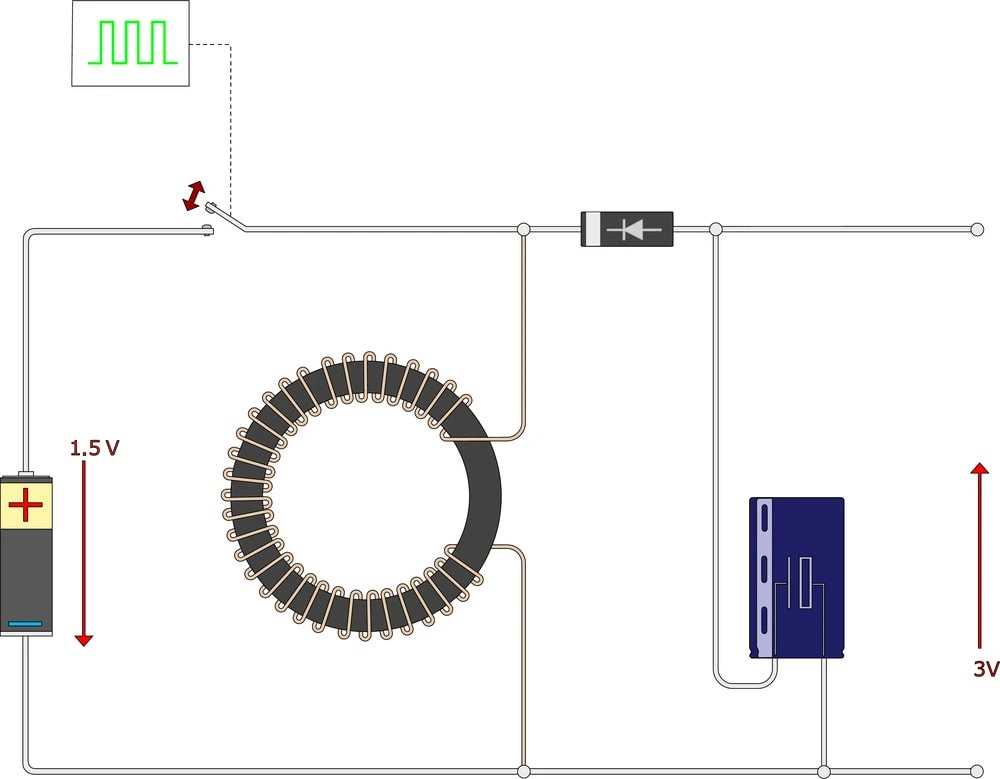
Start by locating the inductor and switch element close together to reduce loop area and minimize energy losses. Ensure that the traces connecting these components are short and thick enough to handle peak currents without significant voltage drop.
Place the output capacitor near the load terminals to stabilize voltage and reduce ripple. Arrange the diode between the switching node and capacitor with minimal distance to prevent reverse recovery effects. Follow these guidelines for feedback and sensing lines:
- Keep them away from high-current paths to avoid noise interference
- Use shielded or twisted traces if long routing is unavoidable
- Ensure proper grounding to maintain accurate voltage sensing
Verifying each component’s placement through test measurements ensures that the voltage increase is smooth and consistent under different load conditions. Proper layout prevents oscillations and enhances thermal management of the assembly.