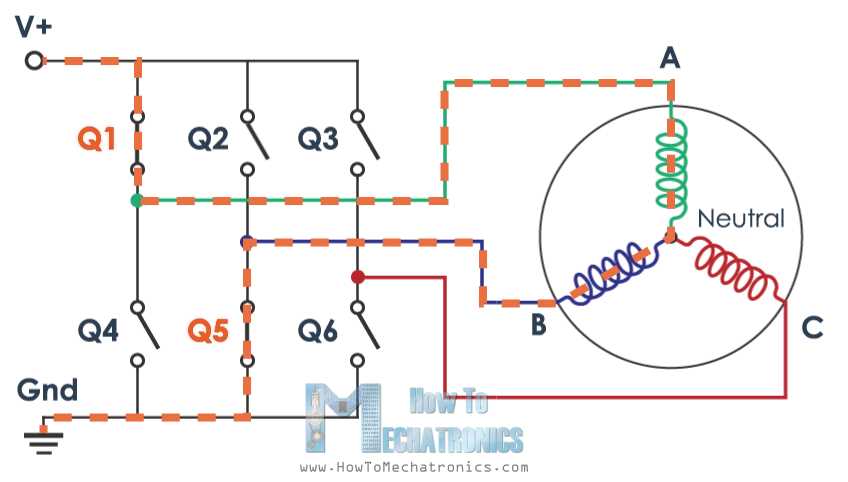
To successfully connect and operate a brushless motor with a speed controller, it is important to understand the layout and the flow of electricity. The controller acts as the intermediary between the power supply and the motor, converting signals to control the speed and direction of rotation. This process relies on proper connections to ensure the system functions smoothly without interruptions.
The primary elements you need to focus on include the power input terminals, the motor output connections, and the control signal inputs. Each component must be correctly matched with the corresponding pins and leads to ensure that current flows in the right direction and at the proper intensity. Pay close attention to the orientation of the motor’s leads to avoid polarity errors that could lead to malfunctions.
When setting up the system, ensure that all connections are secure and the proper resistors, capacitors, or inductors are included to prevent voltage spikes. Properly configured settings can help maintain efficiency and longevity of the motor and controller, reducing the likelihood of overheating or failure during operation. Always refer to the manufacturer’s specifications for optimal settings and precautions.
How the BLDC ESC Circuit Works and Its Basic Components
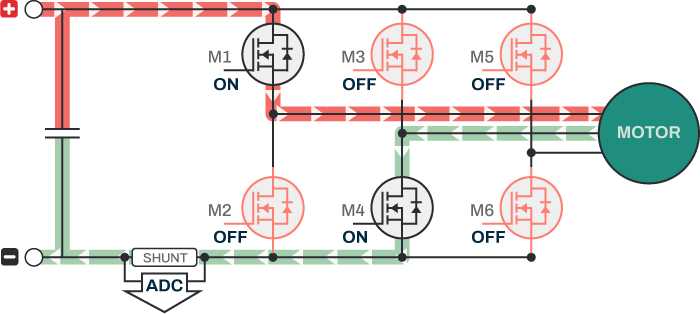
The operation of a brushless motor controller begins with converting a DC voltage input to an AC signal, which is required by the motor. This is done using a series of power transistors, such as MOSFETs, that switch on and off rapidly to generate the required voltage waveforms. The switching sequence is controlled by a microcontroller, which monitors the motor’s position and adjusts the timing of the signals accordingly.
At the heart of the controller are the power transistors, which serve as switches to modulate the voltage delivered to the motor. These transistors work in pairs to direct the flow of current through the motor windings in a precise manner. By altering the duty cycle, the controller can regulate the speed and torque of the motor.
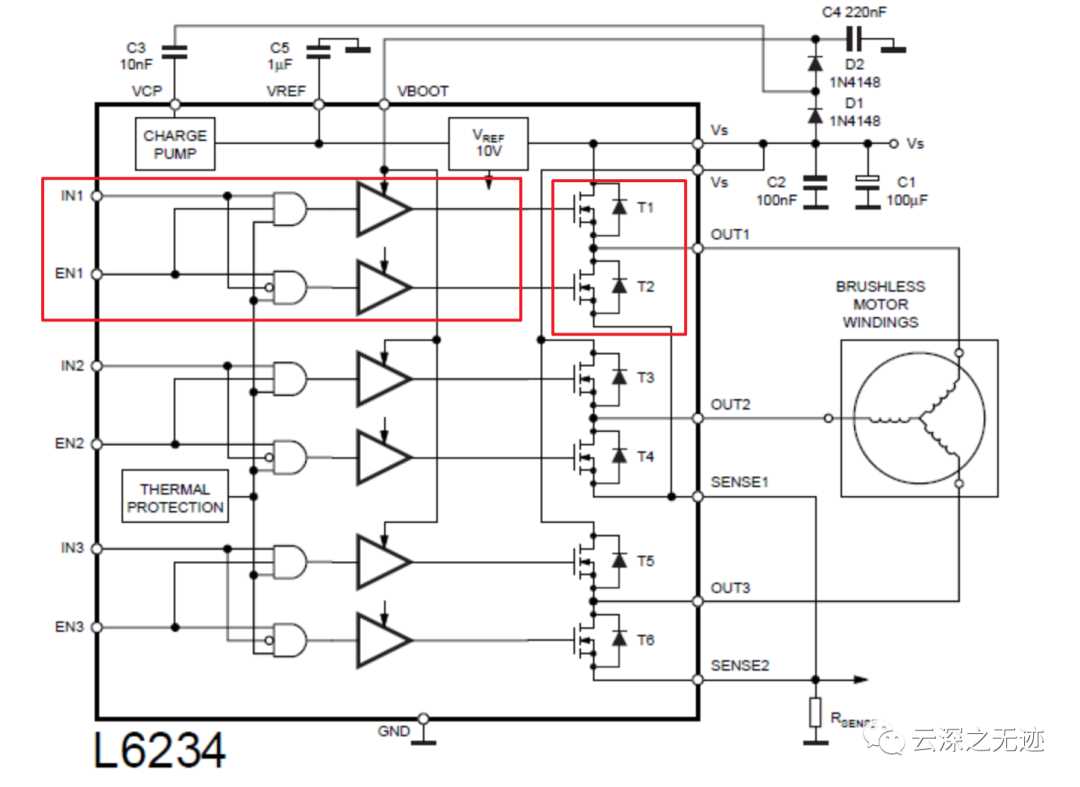
In addition to the power transistors, the controller uses an array of sensors to monitor the motor’s position. These sensors provide feedback that allows the controller to adjust the switching of the power transistors in real-time. Hall effect sensors are commonly used, which detect the magnetic fields produced by the rotor and feed position data back to the controller.
The controller’s feedback loop ensures that the motor operates smoothly and efficiently. If the motor’s speed or position deviates from the desired parameters, the controller makes the necessary adjustments by changing the timing of the power transistors. This allows for precise control of the motor’s speed and position.
Another crucial component in the system is the capacitor bank. The capacitors store energy and help smooth out voltage fluctuations, ensuring that the power supplied to the motor is stable. Without these capacitors, voltage spikes could cause the system to malfunction or even damage the components.
In most systems, the controller also features a current limiting feature to protect the motor and other components from excessive load. This feature limits the maximum current that can flow to the motor, ensuring that it doesn’t overheat or sustain damage under heavy load conditions.
For effective operation, the controller needs to be programmed with parameters specific to the motor being used. These parameters include the motor’s rated voltage, maximum speed, and torque characteristics. By adjusting these parameters in the controller’s settings, you ensure that the system runs within safe operating limits and optimizes performance.
Finally, the communication between the controller and other system components, such as a remote control or a PC, is often handled through a serial interface. This interface allows the user to adjust settings, monitor motor performance, and troubleshoot the system if necessary. For high-performance applications, the controller may support communication protocols like I2C or SPI.
Wiring and Connecting the BLDC ESC to a Motor
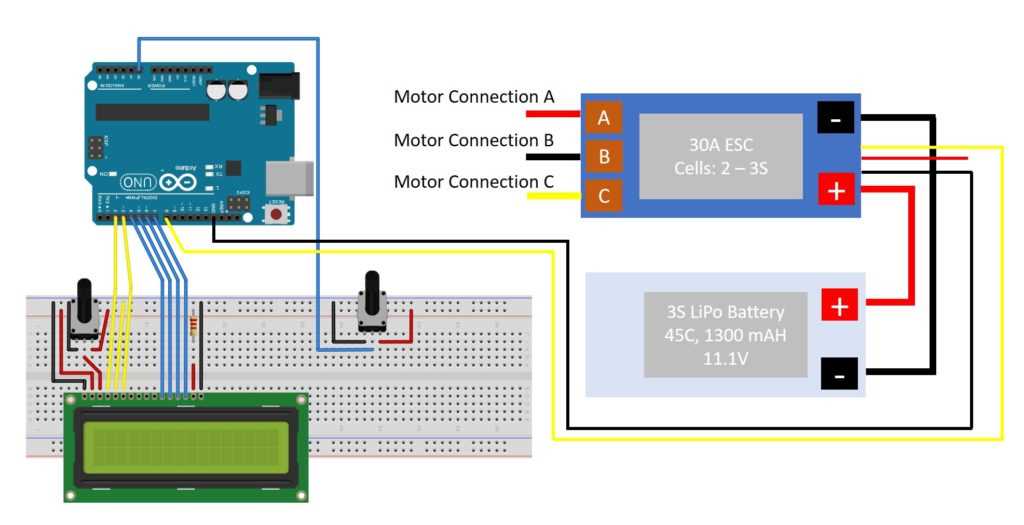
To properly connect the controller to the motor, begin by identifying the three output terminals on the controller, which are typically marked as U, V, and W. These terminals correspond to the three phases of the motor. It is important to correctly match these terminals with the appropriate leads from the motor to ensure proper rotation and operation.
Next, secure the motor leads to the corresponding phase terminals on the controller. The motor should have three wires, each representing one of the phases. Typically, these are color-coded to make the matching process easier. Ensure that each wire is properly inserted and tightened into the terminals to prevent loose connections, which could lead to performance issues.
Once the motor leads are connected to the controller, focus on connecting the power supply to the input terminals. The positive and negative terminals on the controller should be connected to the respective terminals of the power source, ensuring correct polarity. Use appropriately rated cables to handle the current requirements of the system, as insufficient gauge wires can result in overheating or system failure.
For additional safety and to prevent damage to the components, it’s recommended to use a fuse or circuit breaker between the power supply and the controller. This will help protect the system from overcurrent situations. Ensure that the fuse rating matches the current specifications of the motor and controller.
Some controllers also feature a separate input for a signal wire, which is used to communicate commands from a remote control or microcontroller. This wire should be connected to the appropriate input terminal on the controller, ensuring that it is well insulated and free from any short circuits.
After wiring the motor and power input, the next step is to connect the ground terminals. The controller and the power source must share a common ground. Connect the ground terminal on the controller to the ground of the power supply to complete the circuit and ensure proper operation.
Finally, after all connections are securely made, it’s important to double-check the entire setup. Verify that all connections are tight, and that there are no exposed wires or short circuits. It’s also a good practice to test the system with a low voltage or reduced power setting before fully powering it up to ensure proper functionality.
Once the system has been checked and is verified to be working correctly, you can power it on and begin testing the motor under normal operating conditions. Ensure that the controller is programmed with the correct parameters for the motor and that it is performing within the specified range for voltage, current, and speed.