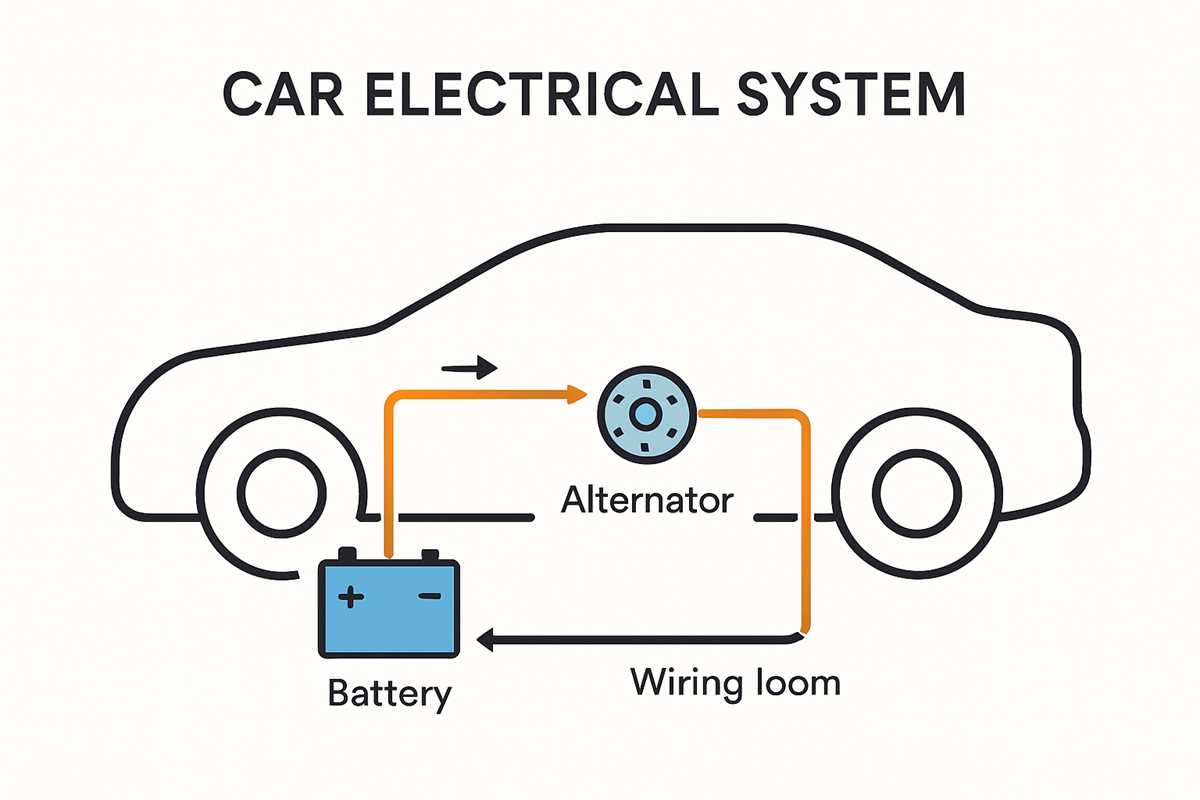
Use a clear circuit schematic of a vehicle’s power network before touching any conductor or component. A precise visual map of the power distribution system shows how current travels from the battery to relays, switches, sensors, and control units. With such a reference, a technician can immediately locate the fuse that protects a lighting branch, trace the conductor feeding the starter relay, or identify the grounding point that stabilizes voltage across the ignition module.
A typical transport power network contains several interconnected paths: energy supply, signal transmission, control routing, and grounding lines. The battery feeds the main distribution block, which then sends voltage through protective fuses and relays toward subsystems such as lighting, engine management, climate control, and infotainment. Each path uses standardized symbols that represent connectors, splices, switches, and loads. Recognizing these symbols reduces diagnostic time and prevents incorrect component replacement.
Accurate schematic reading also depends on understanding conductor identification. Manufacturers assign color codes, connector numbers, and pin references that indicate where a line originates and where it terminates. For example, a red conductor with a stripe may carry constant battery voltage, while a numbered pin inside a control module connector identifies the exact input for a sensor signal. By matching these markings with the schematic, faults such as open circuits, poor grounding, or shorted conductors become easier to detect.
For reliable diagnostics, always correlate the schematic with the physical layout of the vehicle. Trace the route from the power source through fuse panels, relay blocks, control modules, and end devices. Voltage measurement at each connection point confirms whether the current path matches the schematic representation. This method isolates defects quickly and prevents unnecessary dismantling of interior panels or engine components.
Vehicle Power Circuit Schematics for Beginners
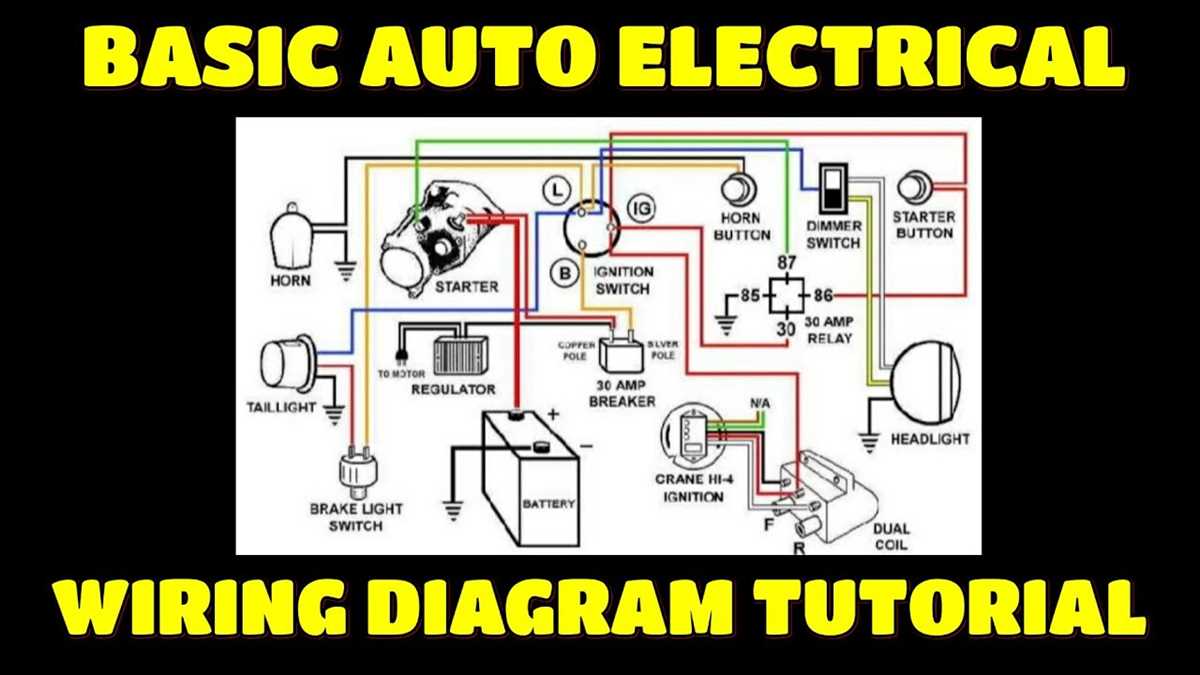
Use a color-coded circuit map from the factory service manual and trace each line from the power source to the load before touching any connector. A 12-volt transport system normally distributes current from the battery through a main fuse block (30–120 A protection links) and then through smaller fuses rated 5–30 A. Follow the path visually: battery → ignition switch → relay → consumer device such as headlamps or the starter solenoid. Mark each junction with a highlighter while checking continuity with a multimeter set to the 20 V DC range; voltage present on one side of a connector and absent on the opposite side points to corrosion, a broken conductor, or a failed relay contact.
Symbols and Line Identification
A single straight line represents a conductor, a zigzag mark indicates resistance, and a triangle pointing toward a line shows a diode allowing one-direction current flow.
Pay attention to connector numbering and ground references. Manufacturers label connectors with IDs such as C101 or J203; each pin position corresponds to a numbered cavity that links to a specific conductor color code (for example: BK = black ground, RD = battery feed, GN/YL = switched supply). Ground points often appear as a horizontal rake-shaped symbol attached to the chassis and are usually fastened with M6 or M8 bolts to bare metal sections of the body shell. During troubleshooting, measure resistance between that point and the battery negative terminal; a reading above 0.3 Ω indicates oxidation or a loose fastening point. Relay coils generally show two thin control lines and two thicker load lines; applying 12 V across the coil should produce an audible click and continuity across the switched contacts, confirming operation.
How to Read Symbols and Color Codes in Vehicle Circuit Schematics
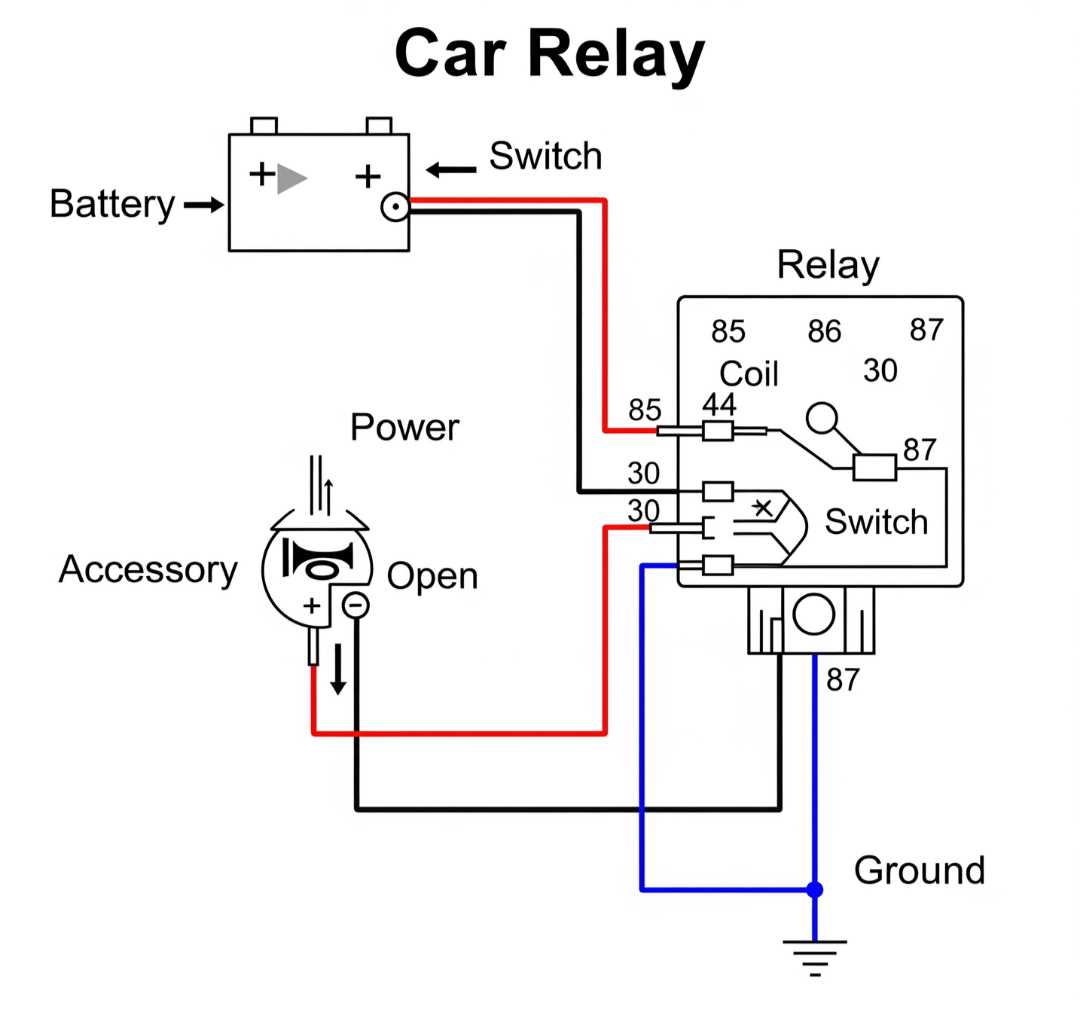
Identify each symbol first and match it with the legend printed on the schematic sheet; this prevents confusion between components that look similar but serve different functions. For example, a zig-zag line usually marks a resistor, a triangle touching a line often represents ground, and parallel lines of unequal length indicate a battery cell. A circle with a letter inside frequently marks a load such as a lamp or motor. Trace connections from one symbol to the next rather than scanning the page randomly; following a single path reveals how power travels from the source through switches, relays, and loads.
Common Symbol Patterns
- Switch – two terminals with a break between them; a tilted line touching both terminals shows a closed state.
- Relay – a coil symbol paired with a mechanically linked switch contact.
- Fuse – a small rectangle or narrow box inserted inline on a conductor.
- Ground – three descending horizontal lines or a downward triangle.
- Connector – paired circles or labeled pins indicating detachable harness joints.
Next evaluate conductor color abbreviations printed beside each line. Most manufacturers use two-letter or three-letter codes: BK (black), RD (red), WH (white), GN (green), BU (blue), and YL (yellow). A slash indicates a stripe pattern; for example RD/WH means red insulation with a white stripe. These markings allow quick tracking across multiple pages when the same conductor appears in several harness sections. If two identical colors appear in the same bundle, small numbers or cavity labels near connectors distinguish them.
Color Code Reading Strategy
- Match the printed color abbreviation with the harness insulation during inspection.
- Follow the same color across connectors using pin numbers or cavity labels.
- Check stripe notation (e.g., GN/BK) to separate similar conductors inside dense bundles.
- Use the legend table from the service manual to confirm manufacturer-specific codes.
Combine symbol recognition with color tracing to verify current paths. For instance, a red conductor from the battery symbol often feeds a fuse, continues to a relay contact, then changes color after the connector that leads to the load. Observing such color transitions shows where harness sections join and where faults like corrosion, loose pins, or breaks often occur.