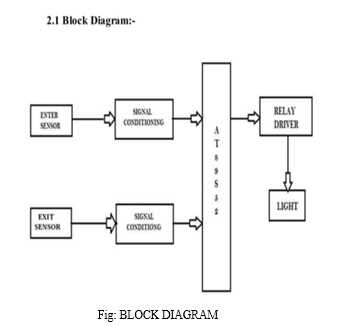
Use a photodiode with a 10kΩ resistor in a voltage divider to detect ambient brightness changes accurately. Place the sensor in a location free from direct reflections to avoid false triggering.
Connect a transistor switch to amplify the low-voltage signal before activating the relay. A TIP120 or BC547 provides sufficient gain for most 12V loads.
Integrate a 12V relay module rated for the load to manage switching without overloading the control element. Ensure the diode is installed across the relay coil to prevent voltage spikes.
Adjust the sensitivity potentiometer to trigger the system at the desired illumination threshold. Fine-tune the setting using a lux meter for precision.
Test the response by gradually covering the photodiode to simulate darkness. Confirm that the output engages reliably without flickering or delay.
Complete guide for setting up an automatic light sensor system
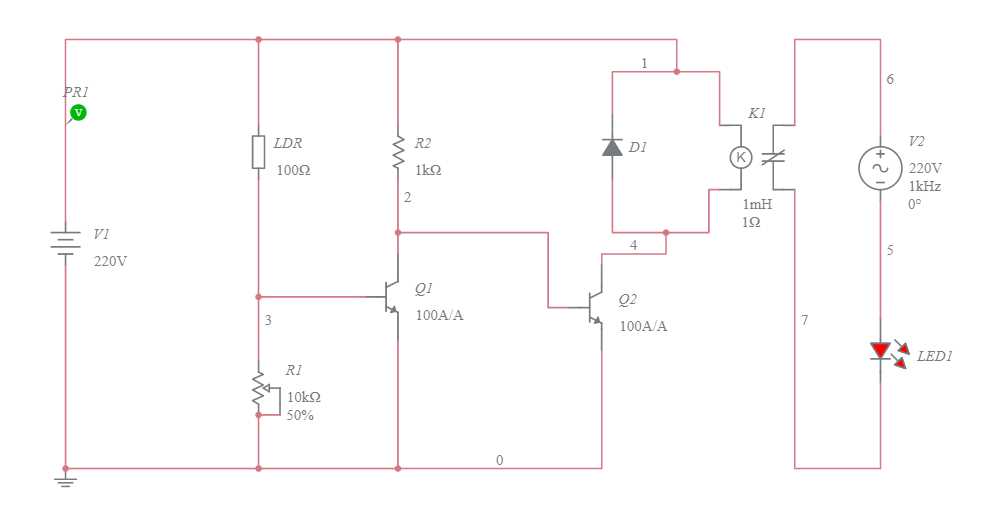
Start with selecting a reliable photodetector capable of measuring a wide range of ambient illumination. Place it in a position where it receives consistent exposure without interference from reflective surfaces or heat sources.
Use a voltage divider network with a precision resistor to translate the photodetector’s response into a readable signal. A 10kΩ resistor provides a balanced output for standard 12V operations, ensuring stable performance.
Integrate a transistor stage to amplify the signal before triggering a switching relay. A BC547 transistor or equivalent ensures that the control element handles current safely without stress.
Install a relay module rated for your load and connect a flyback diode across the coil to prevent voltage spikes. Ensure the relay contacts match the operating voltage of the connected device to avoid overheating.
Adjust the sensitivity using a potentiometer connected in series with the photodetector. Test in variable conditions, measuring with a lux meter to set the precise activation threshold for your setup.
Conduct final testing by simulating darkness and brightness. Confirm that the switching device responds promptly and consistently, and verify that all components maintain stable temperatures during operation to ensure long-term reliability.
Selecting sensors and resistors for precise detection
Choose a photoconductive element with a fast response time and high sensitivity range to detect minor variations in ambient brightness. Cadmium sulfide (CdS) cells or modern phototransistors rated for low-light detection provide consistent output under fluctuating conditions.
Match the detection element with a proper resistor to form a voltage divider that produces a measurable signal. Typical resistor values range between 5kΩ and 50kΩ depending on the power supply and target sensitivity. Use a variable resistor to fine-tune the response without overloading the downstream switching stage.
Test the combination in situ by simulating both high and low illumination levels. Monitor the output with a multimeter to confirm that the voltage changes proportionally to the environmental brightness, ensuring precise triggering without false activations or delays.