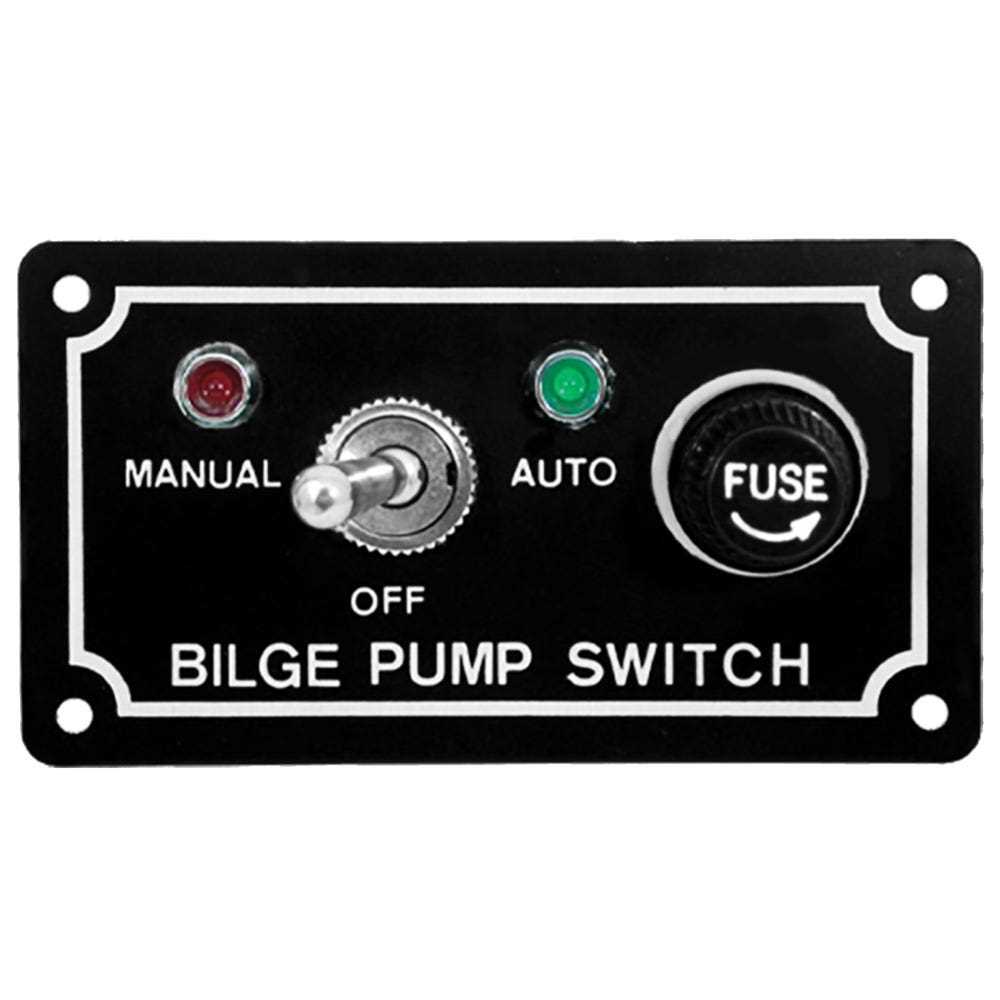
Use a dedicated 12-volt power source with an inline 10-amp fuse to protect the circuit from overloads. Connect the positive lead to the battery terminal closest to the pump location to minimize voltage drop.
Integrate a float sensor or manual switch on the control line to enable automatic activation when water levels rise. Ensure the sensor is positioned away from turbulence to prevent false triggering.
Route all conductors through sealed grommets to prevent chafing against hull surfaces. Maintain at least a 6-inch separation from fuel lines and engine heat sources to avoid insulation damage and overheating.
Label each terminal distinctly using heat-resistant markers or tags. The three connections should correspond to power input, ground, and control signal to prevent misconnection during maintenance or replacement.
Automatic 3 Wire Bilge Pump Connection and Setup
Connect the three terminals to a dedicated 12-volt source using an inline 10-amp fuse positioned as close to the battery as possible to reduce voltage drop and prevent overload.
Use a float sensor on the control line for activation when water reaches a set level. Position the sensor in a calm area of the hull to avoid false triggering caused by waves or turbulence.
Route all conductors through grommets or protective conduits to prevent chafing against the hull or deck structures. Maintain separation from heat sources and fuel lines to protect insulation and prevent hazards.
Label each connection clearly with heat-resistant markers. The three terminals should correspond to positive input, ground, and control signal to simplify maintenance and reduce the risk of cross connections.
Test the system by filling the hull compartment with water and observing automatic activation. Adjust the float sensor height if needed to ensure the unit engages at the intended water level consistently.
Power source selection and fuse protection for three conductor pumps
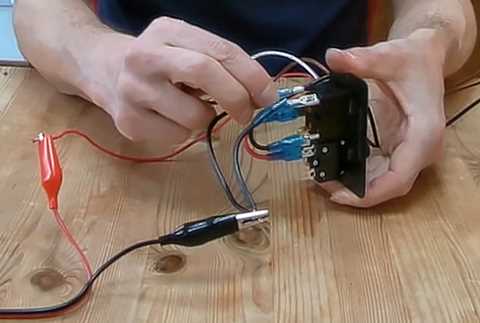
Choose a dedicated 12-volt battery bank to supply consistent current to the unit. Avoid shared circuits with high-draw devices such as engines or refrigeration systems to prevent voltage drops and erratic operation.
Install an inline fuse rated 10 to 15 percent above the maximum current draw of the device. Position the fuse within 6 inches of the battery positive terminal to protect the conductor from short circuits effectively.
Use conductors sized according to the pump’s current requirements, typically 14 AWG for currents under 15 amps and 12 AWG for higher loads. Oversizing the conductor minimizes voltage loss and heat buildup over long runs.
Ensure that the ground connection is made directly to the battery negative or a bus bar bonded to the hull. Avoid relying solely on metallic structures as a return path, as corrosion and poor contact can impair performance.
For systems with multiple units, each device should have an independent fuse and conductor to prevent one overload from disabling the entire network. Label all fuses clearly with amperage and function for maintenance clarity.
Test the power path by applying a multimeter at the terminals during operation. Measure voltage under load to confirm the source can maintain at least 11.5 volts at the device, ensuring reliable engagement.
Consider using marine-grade connectors with waterproof seals for all battery and control connections. This prevents oxidation and reduces resistance that could trigger false shutdowns or overheating.
Regularly inspect the fuse and terminal condition, especially after heavy use or rough conditions. Replace any corroded components immediately to maintain optimal current flow and safe operation.