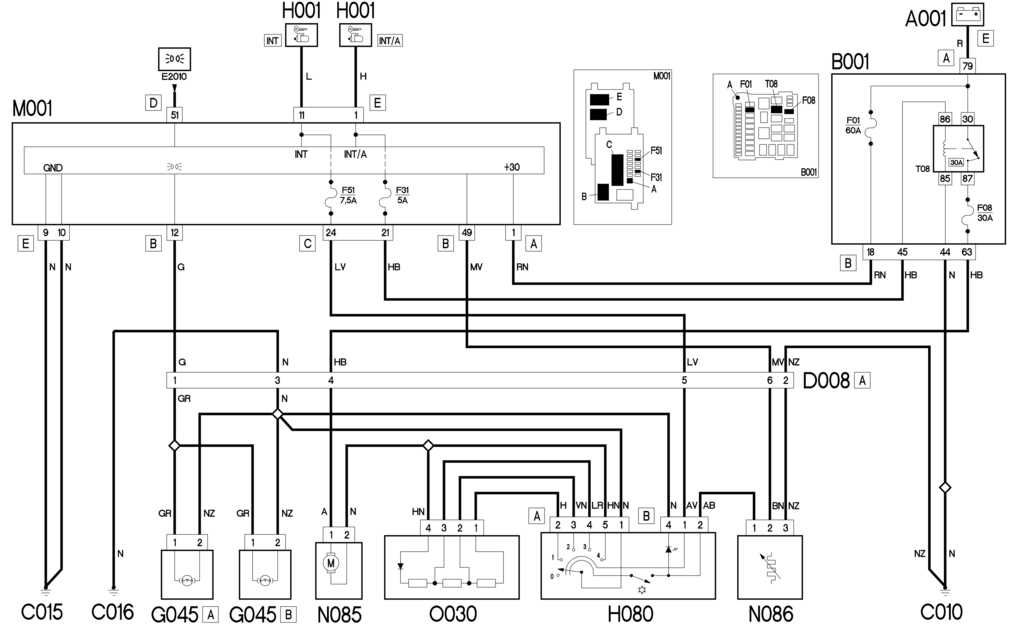
Connect the main power line to the control board terminals L1 and L2 to ensure stable voltage distribution. Use copper conductors rated for at least 14 AWG for units up to 2 tons, and 12 AWG for larger capacities. Verify that all fuses or circuit breakers match the manufacturer’s specifications to prevent overloads.
Integrate the thermostat interface with the relay panel using shielded wires to minimize signal interference. Maintain consistent polarity across connections, labeling each wire with clear identifiers for cooling, heating, fan, and auxiliary circuits. Avoid combining high-voltage and low-voltage cables in the same conduit to reduce the risk of electrical noise or shorts.
Ground the metal chassis using a dedicated green wire and secure it to the nearest grounded point. Check that contactors, capacitors, and transformers are properly wired according to their respective voltage ratings. Test each segment with a multimeter to confirm continuity and correct resistance before energizing the unit.
Document all terminal connections and switch positions in a schematic sheet to simplify future maintenance or troubleshooting. Mark potential points for overload protection, emergency shutoff switches, and sensor loops. Consistent labeling and adherence to voltage tolerances prevent common faults such as compressor lockouts or fan motor failures.
Route wiring away from moving components and vibration-prone areas to extend insulation life. Employ flexible conduit for sections near hinges or panels, and use strain reliefs at entry points to avoid accidental disconnection. Regular inspection of terminals and connectors ensures long-term reliability and safety.
Cooling System Electrical Layouts
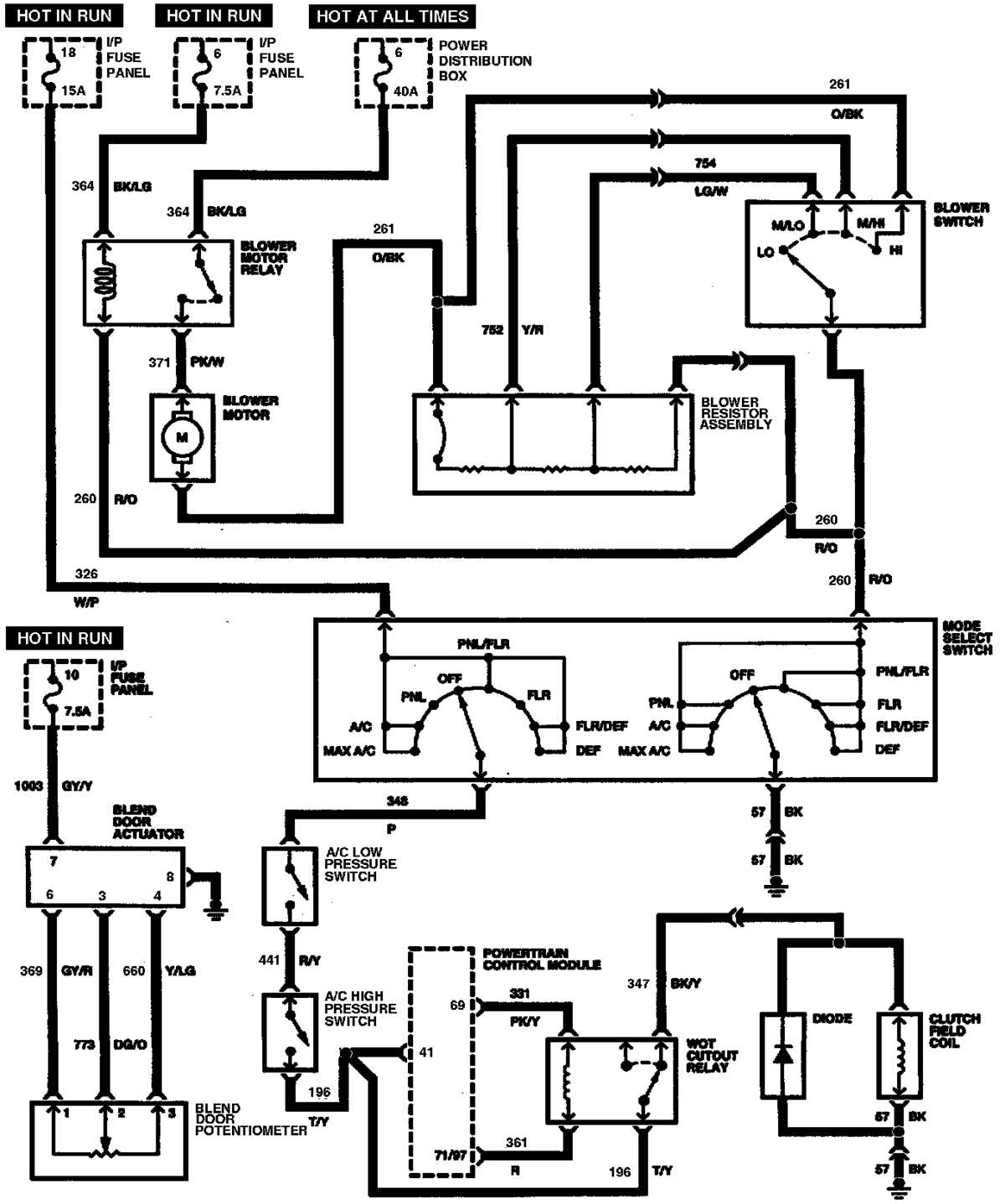
Connect the main power supply directly to the circuit breaker rated for 15–20 amps before linking the control panel. Ensure the compressor relay receives a 24V signal from the thermostat to prevent overload. Label each conductor with color-coded tags–red for power, yellow for cooling signal, and blue for neutral–to avoid cross-connections during maintenance.
Use a schematic showing the fan motor, capacitor, and contactor terminals clearly. The motor capacitor must match the specified microfarad rating printed on the unit; installing one with a 10% deviation can reduce motor lifespan. Confirm that the high-voltage lines are separated from low-voltage sensor cables by at least 2 inches to minimize electromagnetic interference.
When adding a smart thermostat interface, verify the common wire is properly routed to the control board. Fuse the auxiliary circuits with slow-blow types to handle startup surges, and secure all connectors with insulated crimp terminals. Test each branch using a multimeter for continuity and voltage drop before energizing the full system to prevent short circuits or relay failures.
Identifying Common Wire Colors and Their Functions in AC Units
Red wires usually carry 24V power from the transformer to the thermostat, controlling the heating relay or fan relay circuits. Always verify voltage with a multimeter before connecting to avoid shorts.
Yellow wires typically signal the compressor activation. They link the thermostat to the compressor contactor, and mixing them with other lines can prevent cooling operation.
Green conductors are assigned to the fan motor relay. Connecting them incorrectly can result in the blower running continuously or not at all, so double-check terminal labels on both the unit and the control board.
White leads often control the heating circuit. In setups combining multiple stages of heating, different shades or stripes indicate stage-specific activation, so consulting the schematic printed on the unit is necessary.
Blue and Common Connections
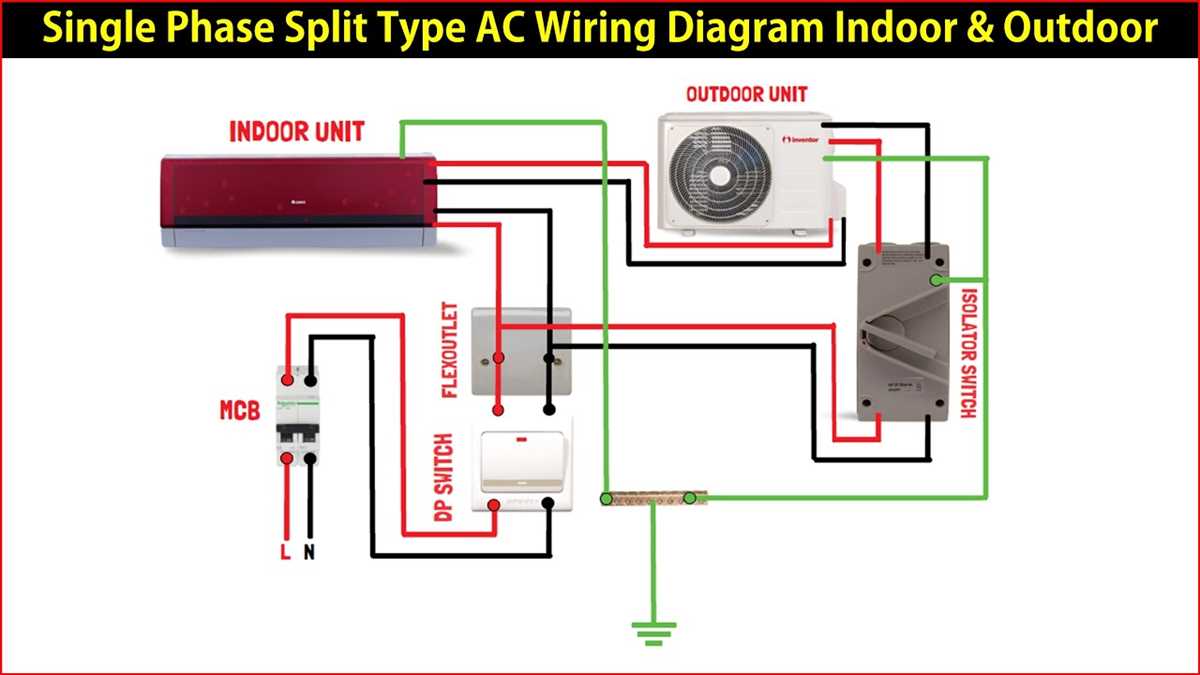
Blue wires frequently serve as the common side of the 24V transformer. Missing a proper connection here can cause the entire control system to fail. Ensure a tight screw terminal and no frayed strands.
Orange wires appear in heat pump models, signaling reversing valve operation. Miswiring can reverse the heating and cooling modes, leading to improper temperature regulation and possible system stress.
Brown and black conductors sometimes represent auxiliary or emergency heat circuits, especially in units with multiple energy sources. Label each connection clearly to prevent confusion during maintenance or replacement of components.