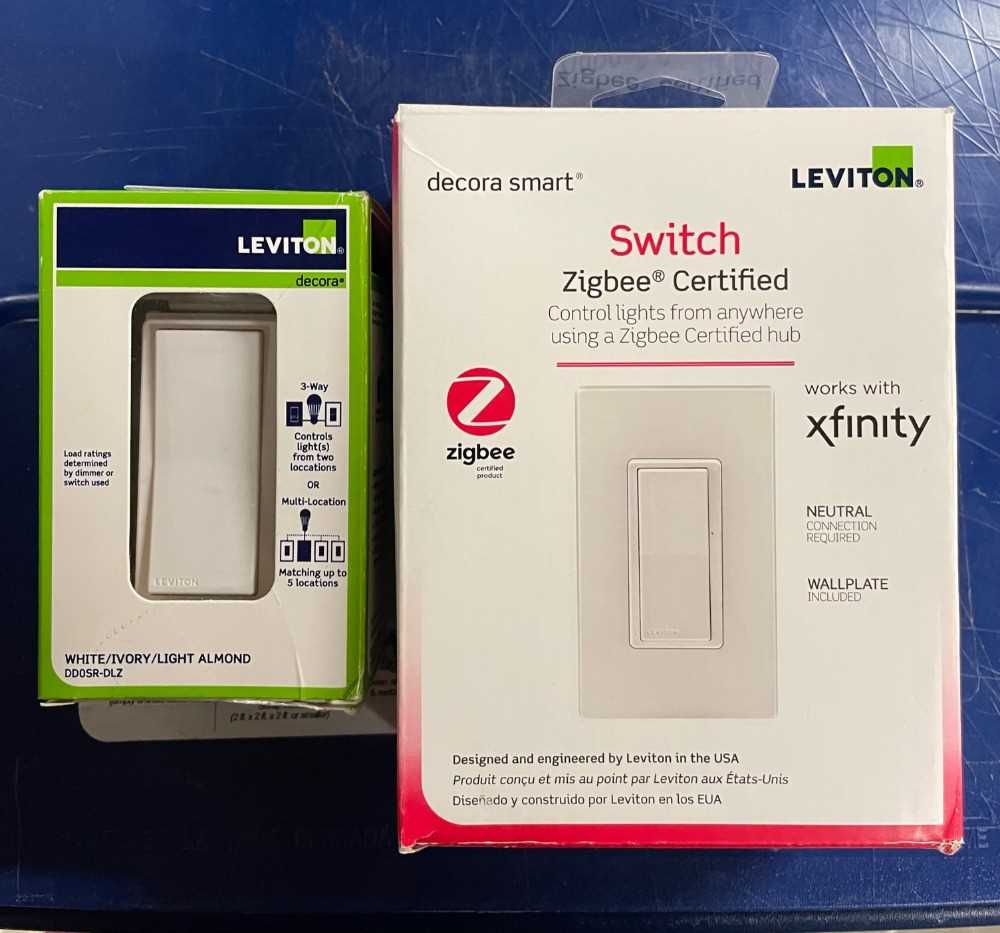
Ensure the power supply is switched off before starting any installation of paired control modules. Identify the live, neutral, and ground terminals clearly to prevent cross-connection and reduce the risk of short circuits.
Use color-coded conductors for each path to maintain clarity during the setup. Connect the first control device to the primary load line, verifying continuity with a tester before attaching the second module in parallel.
For modules with multiple toggles, attach the traveler wires to corresponding terminals exactly as labeled. Confirm the routing aligns with the load configuration to avoid unintended activation or feedback loops.
Secure each connection with approved fasteners and apply insulating tape where exposed terminals might contact each other or surrounding metal. This ensures both mechanical stability and electrical safety.
Once all terminals are connected, restore power cautiously and test each module independently. Monitor for consistent operation and check for voltage drops that could indicate poor contact points.
Label all conductors clearly after verification, noting which load or area each module controls. This simplifies future maintenance and minimizes errors if additional modules are added to the network.
Dual Control Panel Connection and Layout Overview
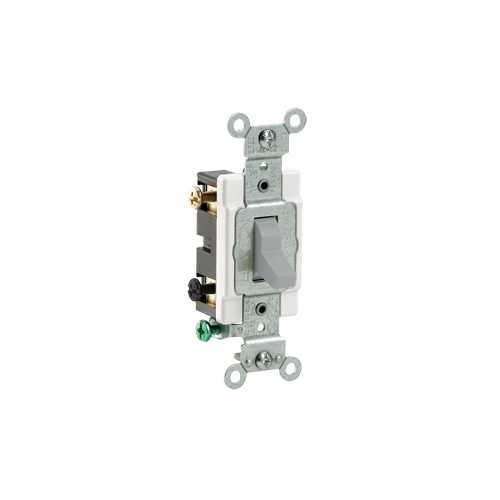
Start by identifying the main power feed and confirm the voltage matches the rating of your paired modules. Connect the common terminal of the first module directly to the load, using a short, secure conductor to minimize resistance. Ensure all ground points are bonded and that the neutral path is continuous through both control units.
Organize traveler lines carefully between the two modules, keeping them separate from high-current conductors to avoid interference. Use terminal blocks for clean junctions, and label each path to indicate its corresponding control point. Test each module independently, then together, to verify that toggling either unit operates the load consistently without cross-activation or flicker.
Identifying Terminals and Line Connections for Dual Control Modules
Locate the line terminals first and confirm each is clearly marked with a voltage rating. The incoming power line should connect to the main feed terminal, while the outgoing load line attaches to the designated output point. Ensure screw connections are tightened to manufacturer torque specifications to avoid loose contacts.
Identify traveler pathways linking the two modules. Use color-coded conductors to differentiate each path, keeping consistent labeling at both ends. Avoid crossing lines with high-current conductors to reduce electromagnetic interference.
Check grounding points carefully. Connect all grounding terminals to a common bus or metallic enclosure to maintain continuity. Use insulated terminals when possible to prevent accidental shorts, and verify ground resistance is below 1 ohm.
Test line polarity before energizing the system. Use a multimeter to confirm that the hot, neutral, and ground connections match the intended configuration. Incorrect polarity can cause operational errors or damage to the load.
Securing Connections and Maintaining Safety
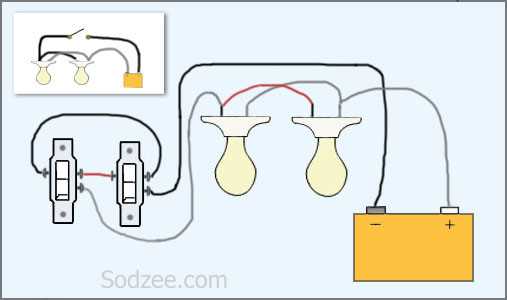
Apply terminal clamps or wire ferrules for stranded conductors to improve contact reliability. Keep conductor lengths minimal while maintaining flexibility for module removal or maintenance. Ensure insulation is intact and no strands are exposed.
Final Verification and Operation Check
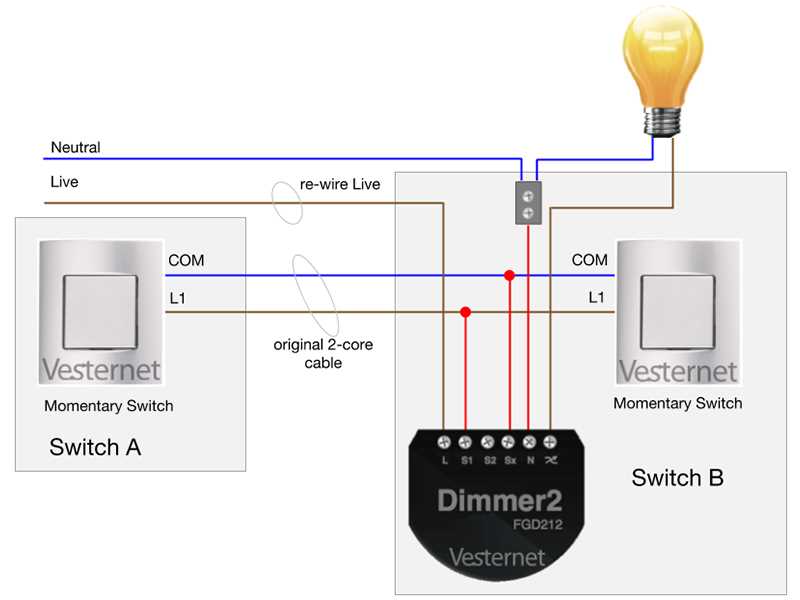
After completing all connections, operate each control module independently, then together, to confirm that the load responds correctly. Document each terminal and line connection for future troubleshooting and reference, marking each conductor with durable labels.