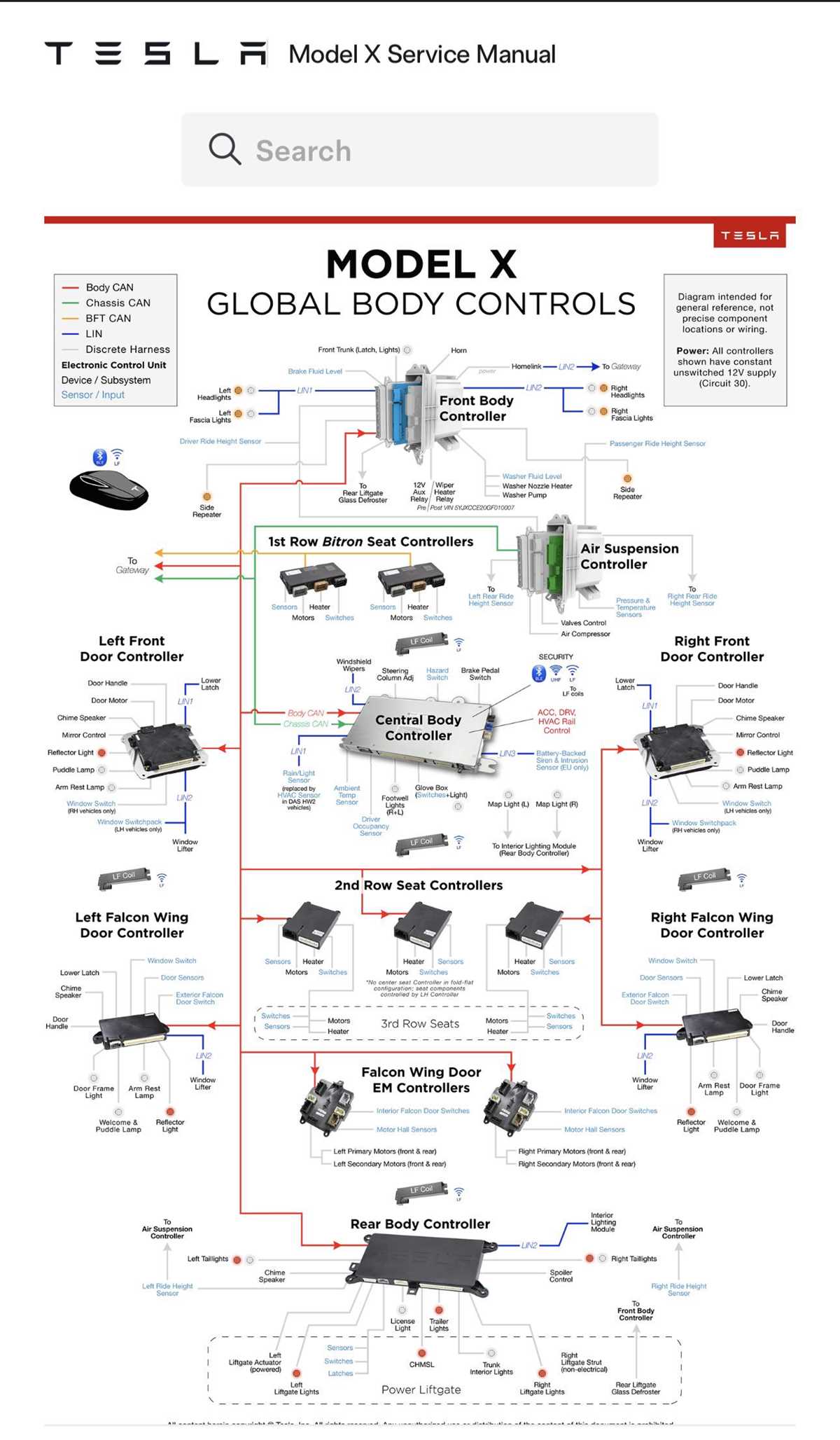
Connect the main high-voltage lines directly to the battery management system using appropriately rated terminals and protective fuses to prevent short circuits and overcurrent conditions. Ensure all connections are snug, corrosion-free, and labeled for easy identification during maintenance.
Integrate the low-voltage control circuits into the vehicle’s communication bus with shielded connectors to reduce electromagnetic interference. Route these connections along factory channels and secure them with clips or conduit to prevent vibration damage during operation.
Verify all relay outputs and sensor inputs at the control modules before powering the drive unit. Use a multimeter to check continuity and confirm polarity across each connector, and document the readings for troubleshooting reference.
Identifying Key Tesla Electrical Components and Their Functions
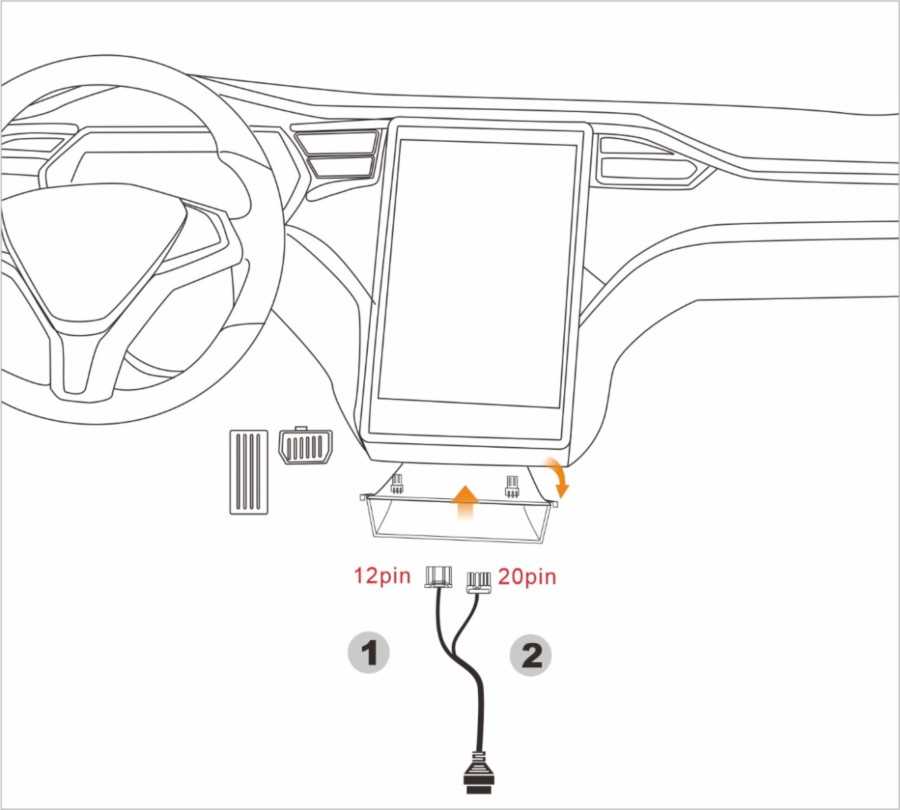
Locate the high-voltage battery modules first and ensure each cell group is properly secured with insulation and protective covers. Check the main positive and negative bus connections for corrosion or loose terminals.
Examine the inverter and motor control units for labeled input and output terminals. These components regulate power flow from the battery to the drive motors and include multiple temperature and current sensors for safe operation.
Inspect the onboard charger and junction boxes, which distribute low-voltage energy to auxiliary systems. Make a list of fuses, relays, and contactors, noting their amperage ratings and physical locations for reference.
- High-voltage connectors – verify insulation and alignment before energizing.
- Communication modules – confirm data lines are free from interference.
- Cooling system pumps and sensors – check for proper flow and signal integrity.
Test all indicator lights, sensors, and switches at the control panel. Ensure each component responds correctly to manual and software commands, and record results for future troubleshooting and preventive maintenance.
Planning and Routing Power and Signal Connections
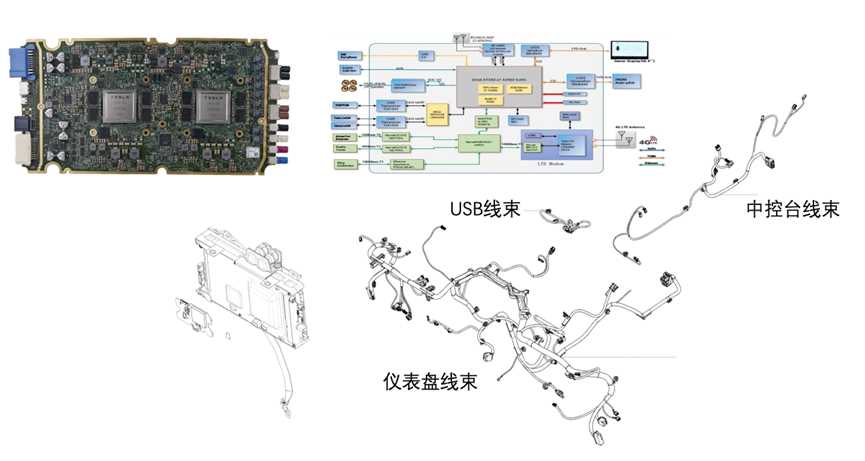
Identify all high-voltage and low-voltage paths before installation. Mark routes that avoid sharp edges, heat sources, and moving parts to prevent insulation damage and ensure long-term reliability.
Separate control signals from power paths to reduce electromagnetic interference. Use dedicated channels or conduits for CAN bus, sensor lines, and communication cables, keeping them at least 50 mm away from heavy current cables where possible.
Label each terminal and connection point clearly. This reduces mistakes during assembly and makes maintenance simpler. Include voltage ratings, pin numbers, and functional notes for each component on a reference sheet.
Routing Through Junctions and Panels
Route bundles through junction boxes with grommets or strain reliefs. Avoid tight bends and maintain minimum bend radii specified by the manufacturer. Use clips and cable ties to keep bundles secured without compressing insulation.
Plan redundancy and future expansion by including spare channels or conduits for additional sensors or upgrades. This reduces the need to rework existing connections when adding features later.
Test continuity and insulation resistance after all paths are secured. Verify that signal lines are free from shorts or crosstalk and that power feeds maintain proper voltage under load conditions.
Document every route with annotated schematics and photographs. This provides a clear reference for troubleshooting and ensures consistency for replacements or modifications over the vehicle’s service life.
Testing and Troubleshooting Tesla Electrical Systems
Check all high-voltage feeds with a multimeter before powering on any modules. Measure continuity, verify ground connections, and confirm that fuses or breakers are correctly rated for each circuit to prevent shorts or overcurrent conditions.
Use diagnostic tools to read sensor outputs and control signals. Compare measured voltages and currents against manufacturer specifications, noting deviations that could indicate faulty connectors, damaged insulation, or misrouted signal lines. Pay special attention to communication buses that control drivetrain and battery management functions.
When faults are detected, isolate the affected section and retest incrementally. Replace or reseat terminals, inspect insulation for wear, and verify that protective devices engage as designed. Document each step to maintain a clear troubleshooting trail for future maintenance and ensure system reliability under full operational load.