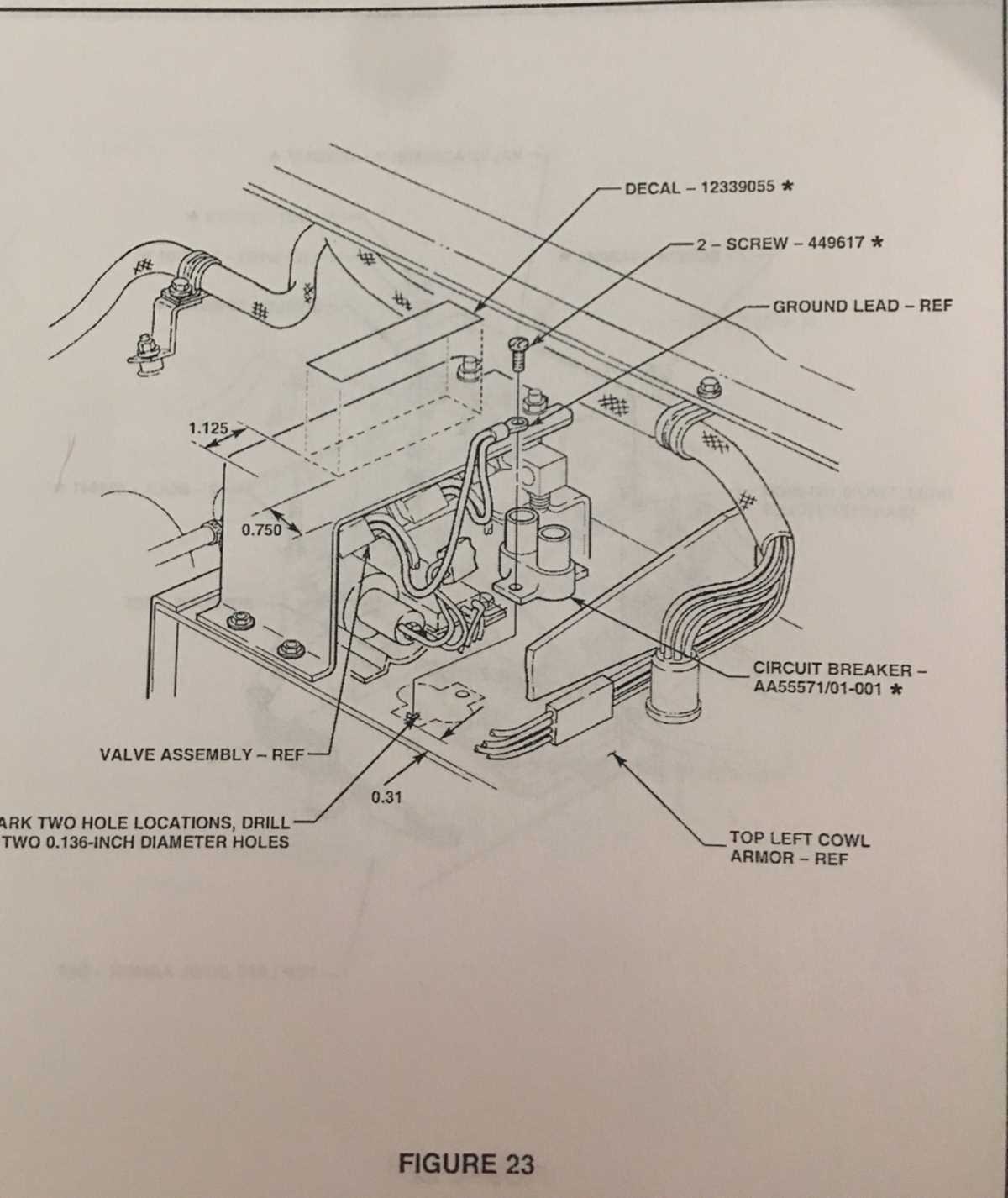
Connect the main pressure line to the designated inlet marked P and secure it with the correct fittings to prevent leaks. Confirm proper fluid flow using a pressure gauge before activating the system.
Identify control lines for forward and reverse operation by following color-coded or labeled hoses. Ensure that solenoid valves and actuators are properly aligned and free from obstructions.
Install return and reservoir lines to maintain consistent fluid circulation. Check all connections for tightness and verify that hoses are routed without kinks or sharp bends to avoid flow restrictions.
Test the system at low pressure initially to confirm that motors engage and release smoothly. Observe the operation for unusual vibrations, noises, or leaks before applying full load pressure.
Hydraulic Winch Circuit Connection Guide
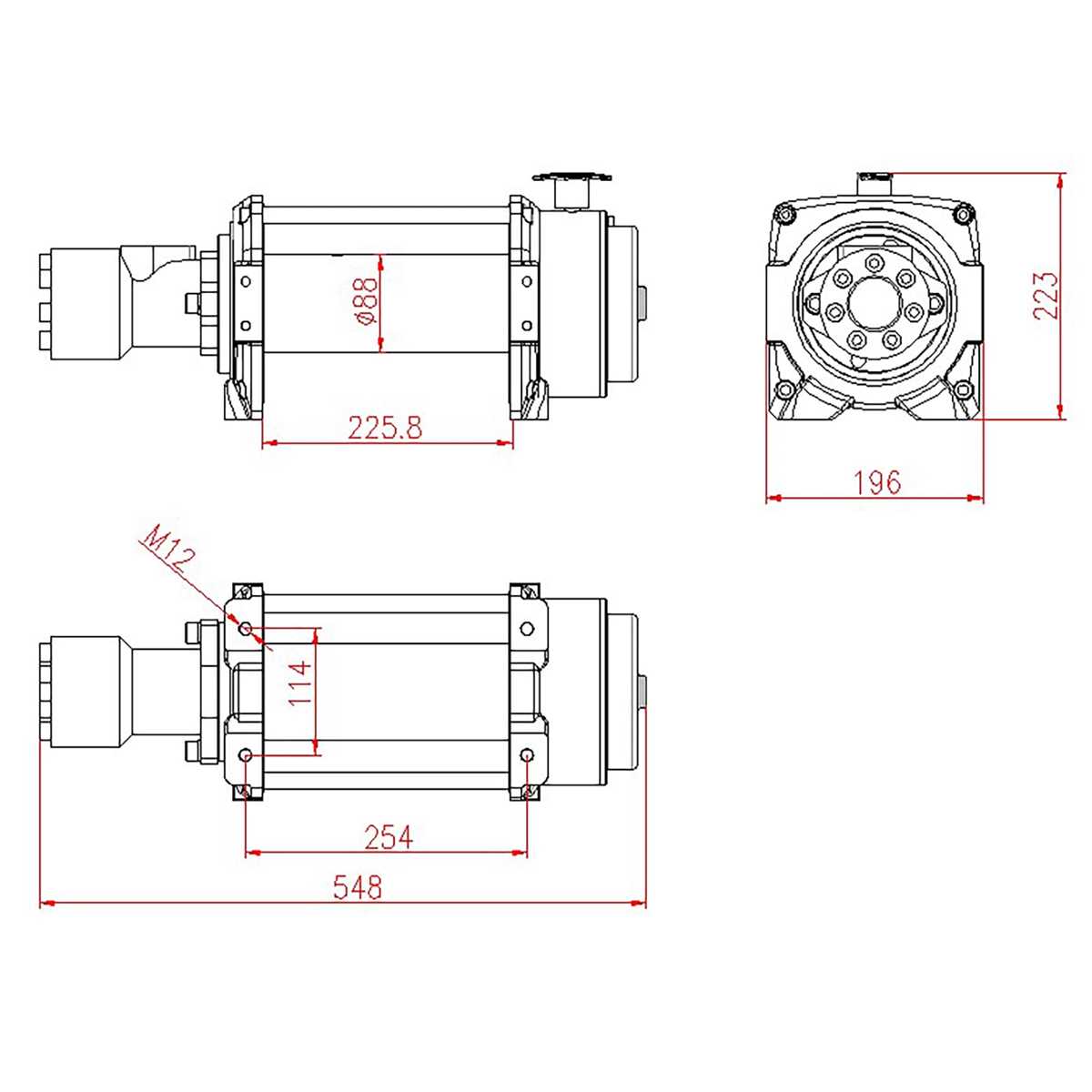
Attach the main pressure feed to the inlet port labeled P and tighten fittings to the manufacturer’s torque specifications. Confirm the absence of leaks before proceeding to connect auxiliary lines.
Route control hoses to the forward and reverse actuators following the color-coded or labeled paths. Avoid crossing high-pressure lines with low-pressure return hoses to reduce risk of interference or premature wear.
Secure return lines to the reservoir with clamps spaced every 12 inches to prevent vibration-induced fatigue. Ensure hoses have smooth curves with no sharp bends to maintain proper fluid flow and system responsiveness.
Check valve and solenoid connections for proper orientation. Forward and reverse control ports should be verified with a pressure gauge to confirm consistent engagement and disengagement during low-pressure testing.
Perform a complete dry run at reduced pressure to observe load response. Watch for unusual vibrations, leaks, or delayed actuation and correct any alignment or connection issues before applying full operational pressure.
Identifying Terminals and Hydraulic Lines
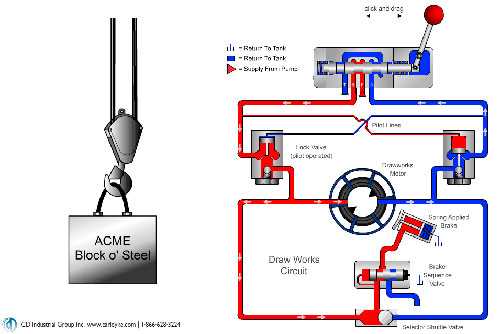
Label all pressure and return ports before beginning connections. Use permanent markers or tags to distinguish high-pressure feeds from low-pressure returns to avoid misrouting during assembly.
Trace each hose from its source to the actuator, confirming color codes or stamped identification numbers. Cross-check with the equipment manual to ensure lines correspond to the correct control function.
Inspect terminal connections for corrosion or worn threads. Tighten fittings according to recommended torque values and apply thread sealant on threaded ports to prevent leaks under operational pressure.
Map solenoid or valve terminals to the control unit, noting polarity and signal type. Incorrect connections can cause delayed actuation or system malfunction, so use a multimeter to verify continuity before applying pressure.
Secure lines with clamps and brackets, maintaining a minimum bend radius to prevent kinks. Ensure hoses are routed away from moving components or heat sources to extend service life and maintain steady flow rates.
Perform low-pressure testing on all connections. Observe each actuator and gauge for proper response, then document the confirmed terminal and hose layout for future maintenance or troubleshooting.