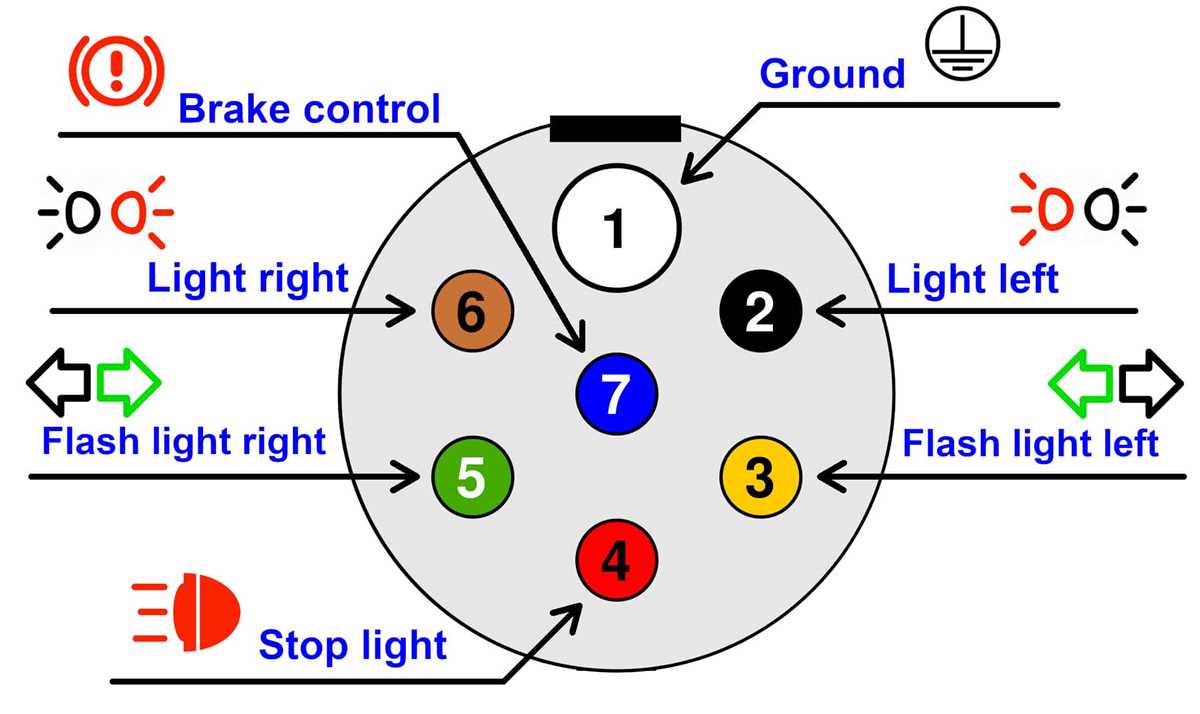
Begin by identifying all connectors and terminals on both the towing vehicle and attached unit. Verify that each pin corresponds to its function, including stop, turn, and tail illumination, to ensure proper operation without cross-connection.
Use color-coded leads to match inputs and outputs accurately. Confirm continuity with a multimeter before applying power to prevent blown fuses or damaged sockets.
Plan the layout of all conductors along the frame to minimize exposure to heat, moisture, or abrasion. Secure lines with clips or protective tubing, maintaining separation between positive, negative, and ground paths for reliable performance.
Label each segment and terminal to simplify future maintenance or replacement. This reference helps troubleshoot malfunctions quickly and ensures consistent operation across multiple setups.
Identifying Trailer Light Components and Functions
Start with the main signal lamps including indicators, brake lamps, and tail lamps. Confirm that each unit is rated for the correct voltage, typically 12 volts, and that sockets are free of corrosion or loose connections.
Check auxiliary components such as side marker lamps, license plate illumination, and reflective units. Ensure polarity matches the power source to prevent reverse operation or non-functioning indicators.
Inspect grounding points and common return lines along the frame. A solid ground improves response time for turn signals and brake lamps while preventing flickering or partial illumination during operation.
Label all connectors and trace each conductor to its destination. Keeping a reference of color codes and terminal positions allows fast identification during repairs and confirms that all functional lamps operate in sync with the towing vehicle’s controls.
Planning and Routing Power Connections
Begin by selecting the main power feed from the towing vehicle to the rear attachment. Use a conductor rated at a minimum of 14 AWG for standard 12-volt systems and keep the path as direct as possible to reduce voltage drop. Avoid running lines near moving parts or heat sources.
Organize distribution with a small fuse panel or inline protection for each function:
- Turn indicators – 10A fuse
- Brake activation – 15A fuse
- Tail and marker illumination – 10A fuse
Secure each conductor using clamps or cable ties spaced no more than 12 inches apart. This prevents chafing and maintains a tidy, inspectable installation.
Route grounds and common returns directly to the trailer frame or designated grounding studs. Test each connection with a multimeter before finalizing to ensure continuity and eliminate intermittent faults. Label all terminals for faster troubleshooting during future maintenance.
Testing and Troubleshooting Trailer Light Circuits
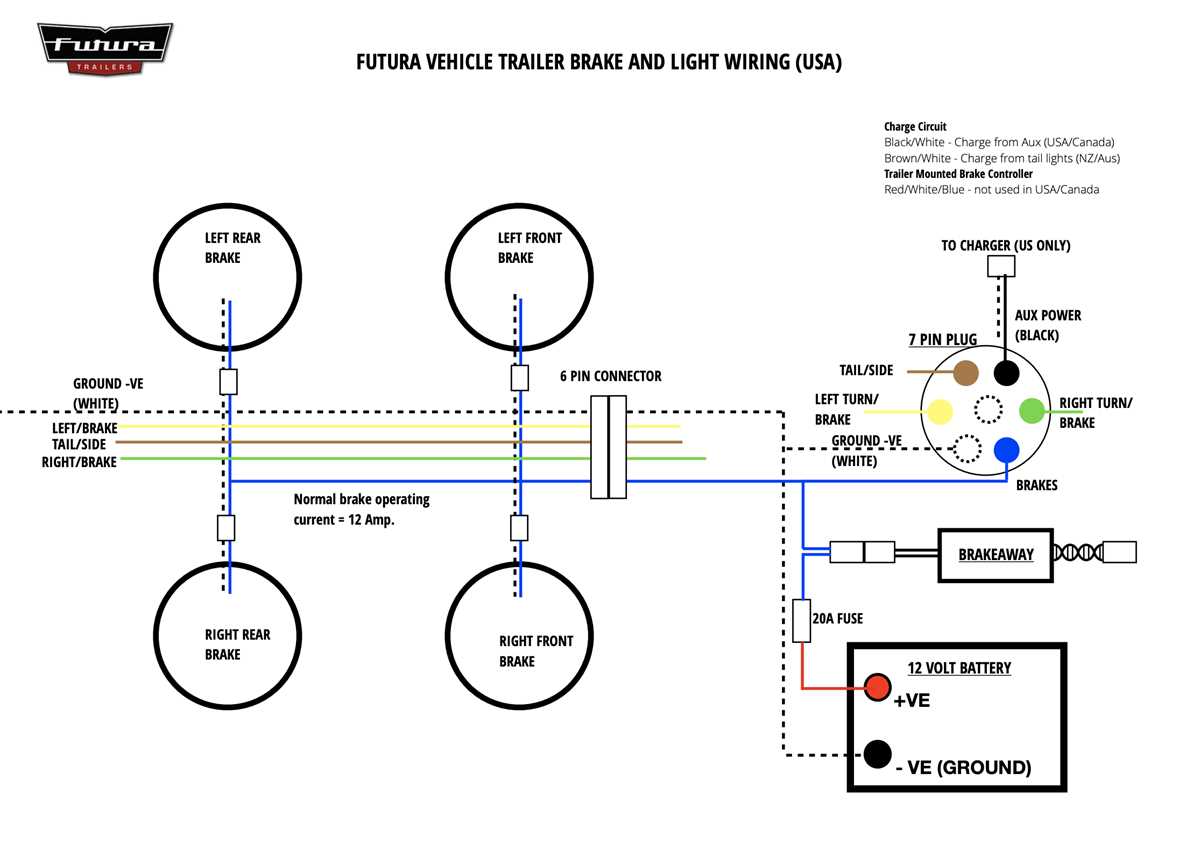
Check each connection individually using a multimeter to verify voltage at terminals when activated. Start from the towing vehicle output and follow each conductor to the rear attachment. Confirm that the measured voltage matches the system’s rated 12 volts without significant drop under load.
Inspect all protective elements including fuses and circuit breakers. Replace any blown fuse and ensure the holder contacts are clean and tight. A loose or corroded fuse can simulate a failed component even if the conductor itself is intact.
Use test bulbs or indicator LEDs to confirm functionality of turn, brake, and tail elements. Connect each in sequence and observe illumination; intermittent or dim responses often indicate a poor connection or insufficient gauge in the conductor.
Examine grounding paths thoroughly. Clean the attachment points to bare metal and retighten fasteners. Inadequate ground contact is a frequent cause of flickering or non-functional rear elements, especially in older frames with rust or paint buildup.
Document all findings and retest after repairs. Label problem areas and track changes over multiple tests to ensure consistent performance. Repeat the procedure periodically as part of routine maintenance to prevent failures during towing operations.