
Ensure the main power supply is turned off before connecting any terminals to prevent short circuits or electrical shocks. Check that the breaker and fuses match the rated voltage of the unit.
Identify the live, neutral, and ground terminals using a multimeter. Most residential units use color-coded leads: red or brown for live, blue for neutral, and green/yellow for ground. Confirm each line before making any connections.
Use heat-resistant connectors and secure terminals tightly to avoid loose contacts. A loose connection can cause overheating or trigger the safety cut-off switch, reducing the lifespan of the system.
Test continuity between the heating elements and the chassis before energizing the system. Any unexpected reading indicates a potential short that must be corrected before operation.
Install an appropriate circuit breaker and RCD protection for the unit. This ensures automatic shut-off in case of overloads or ground faults, enhancing safety for all users.
Step-by-step guide for connecting a heating unit with safe electrical connections
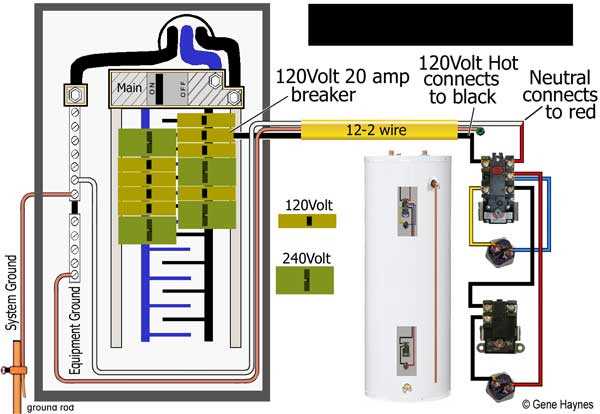
Turn off the main power supply and verify with a voltage tester that no current is present. Identify the live, neutral, and ground lines on the unit using color-coded leads, typically red or brown for live, blue for neutral, and green/yellow for ground. Confirm each terminal before proceeding.
Secure all connections using insulated connectors and tighten each screw to the manufacturer’s recommended torque. Avoid over-tightening, which can damage terminals, and ensure no exposed wires are visible outside the connectors. Route cables to prevent contact with hot surfaces.
Test the continuity and insulation resistance before powering the unit. Use a multimeter to verify that live and neutral do not contact the casing. Only after confirming proper isolation should the system be energized, and an RCD or breaker installed for safety verification during initial operation.
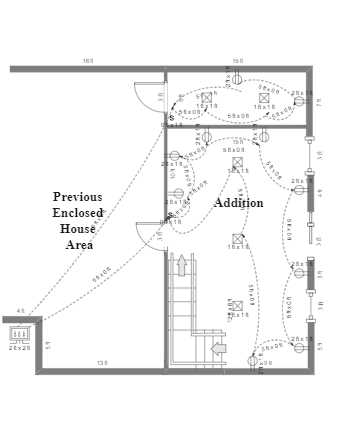
Identifying power supply points and breaker requirements
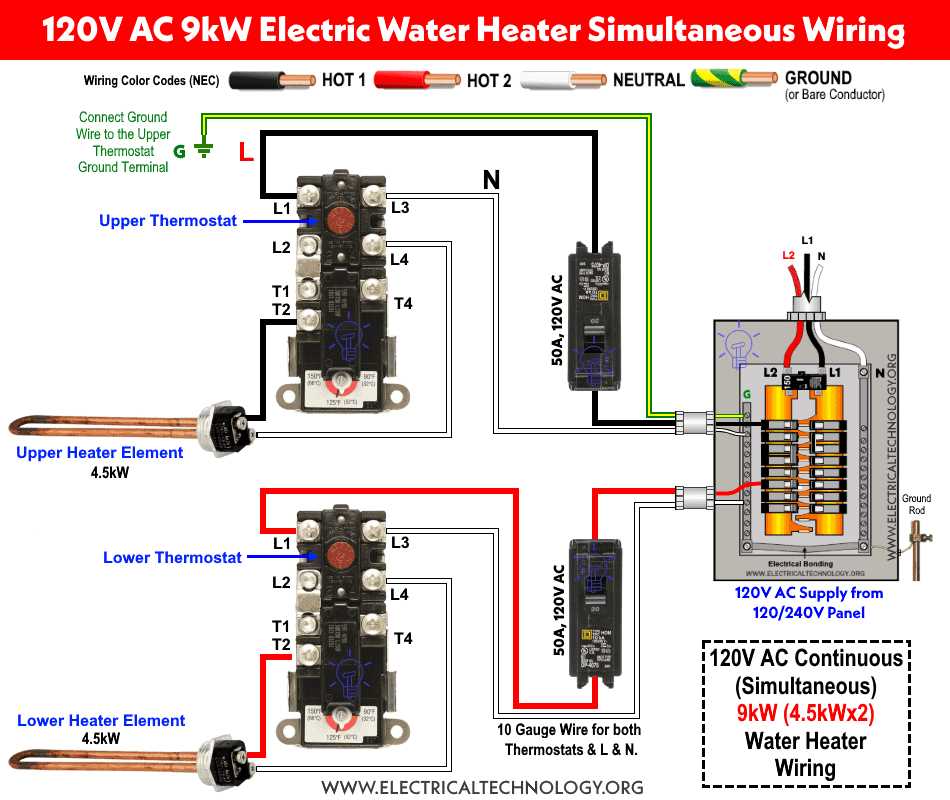
Locate the main feed lines by tracing the existing branch circuits in the service panel. Identify terminals that provide consistent voltage, typically using a multimeter to confirm live and neutral presence. Mark these points clearly for connection and ensure they are rated for the current demand of the appliance.
Select an appropriate circuit breaker based on the load specifications of the unit. A double-pole breaker with proper amperage is recommended for units requiring 220–240 volts. Ensure the breaker provides ground fault protection if the installation is near moisture-prone areas, and verify that the breaker panel can accommodate the additional load without overloading the system.