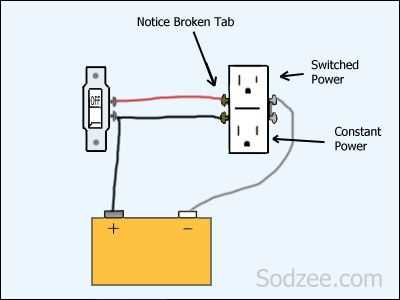
Identify all load points and power sources before starting assembly. Mark each switch, outlet, and lamp to ensure correct routing and prevent accidental cross connections that could overload circuits.
Follow consistent polarity for live, neutral, and ground lines. Use color-coded cables to separate functions, reducing the risk of shorts and making inspection or future modifications faster and safer.
Use clearly labeled terminals and connectors to keep track of each connection. Labeling helps maintain clarity in multi-branch setups and allows for easy verification when testing voltage and continuity.
Plan layout to minimize wire length and avoid unnecessary crossings. Shorter paths reduce resistance and heat buildup, which improves efficiency and ensures stable operation for lighting or appliance circuits.
Double-check each junction before energizing. Verify that fuses, switches, and connections align with the intended load ratings to prevent damage and ensure reliable operation across all components.
Identifying Key Components and Their Functions
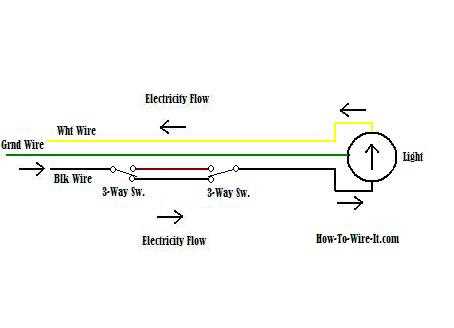
Start by labeling all power sources and terminals to know where voltage enters the setup. Identify breakers, fuses, and main switches to control current flow and protect connected devices from overload.
Mark each load such as lamps, motors, and outlets. Understanding which component receives power at each node allows precise planning of branch connections and helps prevent accidental crossfeeds or shorts.
Check control elements like toggles, push-buttons, and relays. Confirm their ratings and operational function to ensure they can handle the intended current and voltage without failure or excessive heating.
Note auxiliary components such as resistors, capacitors, and indicator lights. These parts influence voltage distribution, signal smoothing, and status monitoring, so correct placement is critical for stable operation.
Document all component details including polarity, connection points, and ratings. Maintaining a reference sheet speeds troubleshooting, allows safe modifications, and ensures consistent performance in repeated setups.
Planning and Laying Out Basic Connections
Organize all components according to function and voltage requirements before making any links. Position switches, outlets, and loads in logical order to minimize crossing paths and reduce the risk of short circuits or interference between lines.
Optimizing Link Paths
Use the shortest practical routes for conductors and keep positive, negative, and ground lines clearly separated. Maintain consistent spacing between parallel lines to avoid accidental contact, and label each connection to simplify verification and troubleshooting.
Testing and Troubleshooting Simple Electrical Systems
Measure voltage at key points before applying full power to the setup. Verify that all supply lines reach expected levels and that each load receives correct voltage to prevent overheating or component failure.
Check continuity for each link using a multimeter. Ensure there are no open circuits or unintended connections by tracing each line from the source to the load.
Inspect switches, fuses, and relays for proper operation. Confirm that toggles engage correctly, fuses match rated values, and relays activate at specified input thresholds.
Test individual modules independently:
- Switches and push-buttons for responsiveness
- Lamps and LEDs for proper illumination
- Motors or small appliances for smooth startup and operation
Document readings and anomalies including measured voltage, observed behavior, and any adjustments made. Keeping detailed records accelerates debugging and allows repeatable verification in future setups.
Perform a final system test with all loads connected. Monitor for overheating, unusual noises, or erratic operation. Correct any inconsistencies immediately and retest until stable performance is achieved across all branches.