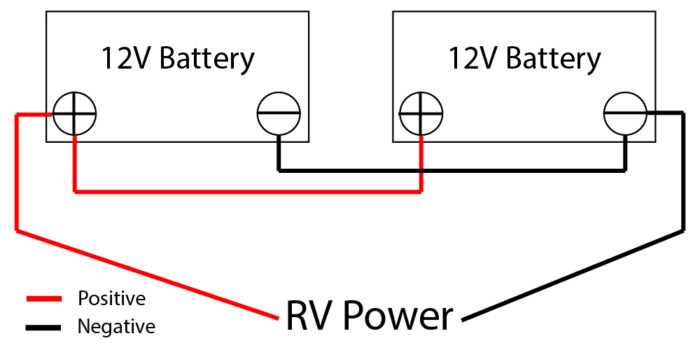
When setting up an RV with two power sources, the key is to connect them in parallel or series to optimize performance. For a standard 12-volt system, the most common method is to link the positive terminals of both units and the negative terminals to form a parallel configuration. This keeps the system at 12 volts while doubling the available amp-hours, giving you more runtime without increasing the voltage.
To achieve this, use thick cables to connect the two power sources. Ensure the positive terminal from one unit is wired to the positive terminal of the second. The same applies for the negative terminals. Adding a battery isolator between the two sources is a good idea to avoid power drain from one unit when the vehicle is off.
After everything is wired, double-check all connections. It’s important to ensure no shorts or loose wires, as these can lead to serious issues, including fires or damaged equipment. Testing the setup by running the system at different loads will ensure proper functionality. If the connections are correct, your RV will have an extended power supply to enjoy off-grid living for longer periods.
Setting Up Two Power Sources in Your RV
To connect two power units for longer usage without draining the primary source, you’ll need to wire them correctly. The most straightforward approach is to link the positive terminals of both units and the negative terminals to form a parallel setup. This ensures your system maintains a consistent 12 volts but doubles the available capacity, giving you more time to run appliances or charge devices off-grid.
Use thick, high-quality cables to avoid power loss. The gauge of the wire will depend on the current draw of your system, but typically, 6 AWG wire is suitable for most RV applications. Ensure that all connections are tight and secure, as any loose wires can cause voltage drops or dangerous short circuits. Don’t forget to insulate the connections to prevent any accidental contact with other surfaces.
Using a Battery Isolator for Better Control
A battery isolator is a critical component for managing the power flow between the two units. It ensures that when your RV is running, one power source charges the other without draining the primary source, which would leave you without power. This device also prevents the secondary unit from discharging when the RV is off, ensuring both units are ready for use when needed.
If you prefer an automatic system, consider using a voltage-sensitive relay (VSR) instead of a manual isolator. The VSR automatically connects and disconnects the two units based on voltage levels, ensuring the primary power source is not depleted while keeping both batteries topped off. This is particularly useful for ensuring longer life of both units and preventing any risk of over-discharge.
Once the connections are made and the isolator or VSR is installed, check for any issues by testing all functions. Turn on the lights, run the fridge, and check the power levels of each unit to make sure everything is working as expected. Proper installation and regular maintenance will ensure your RV’s power system runs smoothly for years to come.
Understanding Power Configuration for Two Energy Sources in RV
For an RV setup with two energy sources, understanding how to properly connect them is critical to ensuring you have enough power when needed. The two power sources are usually connected in parallel to provide extended runtime. In this configuration, both units will maintain a 12V output, but their overall amp-hour capacity is doubled. This means you can run appliances, lights, and other electrical systems longer without needing to recharge.
The key to a reliable setup is using high-quality cables and components. The gauge of the cables should be sufficient to handle the expected current without excessive voltage drop. For most RV applications, a 6 AWG or 4 AWG cable is recommended depending on the system’s size. This will prevent heat buildup and ensure that the power flow is steady and reliable.
Choosing the Right Connection Type
There are two main methods of linking the power sources: series and parallel connections. For this particular setup, the parallel connection is most commonly used. In a parallel arrangement, both positive terminals are connected, and both negative terminals are joined as well. This ensures that the voltage remains at 12V, but the total available power increases, which is ideal for running multiple RV systems simultaneously.
For a series connection, the voltage would increase to 24V, which is not suitable for most RV systems that operate at 12V. Therefore, it is important to double-check your intended load requirements before choosing the type of configuration. Using the correct method will prevent damage to your equipment and ensure that the electrical components operate safely.
Importance of an Isolator for Power Management
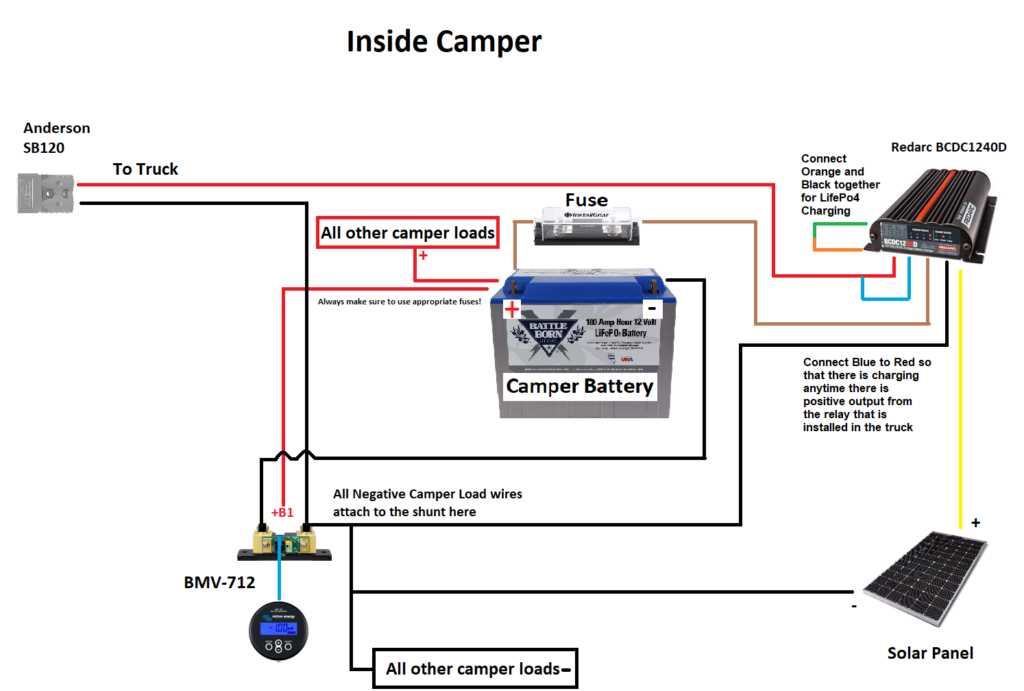
Adding a power isolator is a smart choice for those using multiple sources. An isolator allows the two units to charge separately while preventing one from draining the other. This ensures that the primary unit remains charged while the secondary unit provides backup power when necessary. It also reduces the risk of over-discharging, which could damage the cells.
Voltage-sensitive relays (VSR) are another option for automating the switching between power sources. They will automatically engage the secondary unit when the primary source drops below a certain voltage threshold, ensuring that both power sources are used efficiently and the RV’s electrical needs are met.
Once all components are connected and the isolator or relay is installed, it’s important to regularly check the system for any faults. A multimeter can be used to verify that the correct voltage is being supplied to the various systems. Additionally, inspecting the cables and connections periodically for any signs of wear or corrosion will help prevent unexpected power loss while on the road.