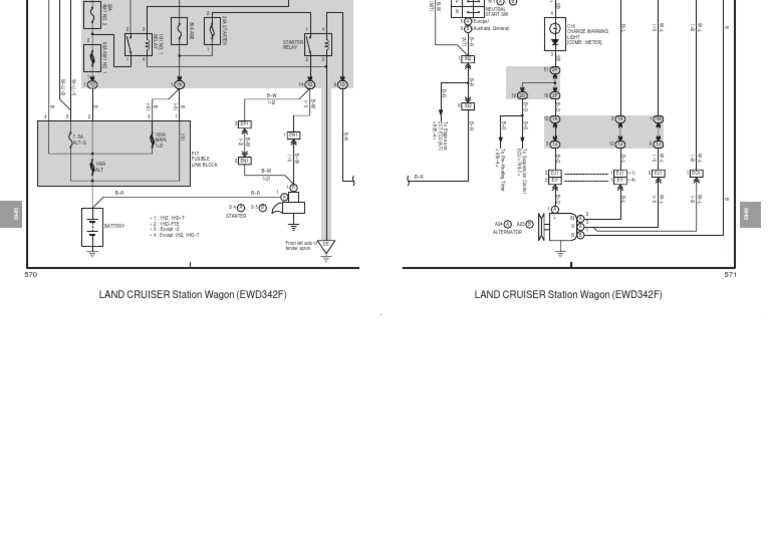
Verify the battery voltage and disconnect the negative terminal before inspecting any leads. Check all fuses and relays for continuity to prevent accidental shorts or component damage.
Trace each power line from the main distribution block to individual accessories. Label terminals and connectors to maintain clarity during troubleshooting and future maintenance tasks.
Inspect insulation and connectors for wear, corrosion, or loose contact points. Replace or tighten any degraded components to ensure consistent current flow and prevent flickering or intermittent faults.
Test sensors and indicator circuits at low engine operation before full use. Monitor lights, gauges, and switches to confirm all pathways deliver proper voltage and respond correctly under load conditions.
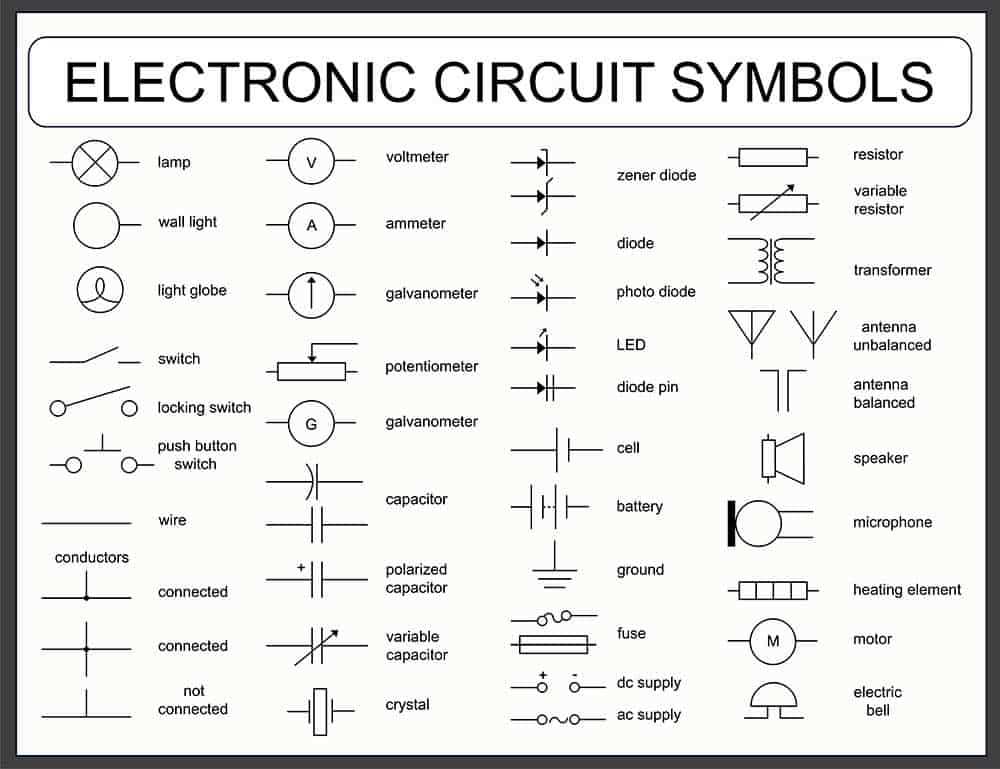
Vehicle Power Flow and Fuse Layout
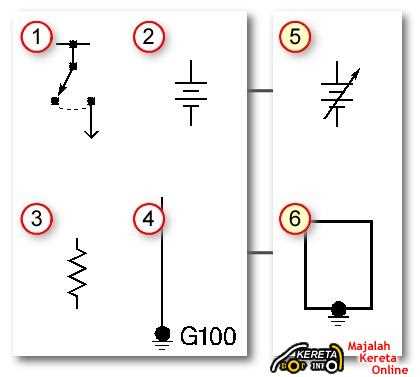
Start by inspecting the main power distribution panel. Check each fuse and relay for correct rating and continuity to prevent blown fuses or overheating during operation.
Trace individual supply lines from the panel to lights, sensors, and accessories. Use a multimeter to verify voltage presence and ensure no broken or corroded connections are present along the path.
Label all terminals to maintain organization when performing maintenance. Color-code or tag leads for each subsystem to avoid misconnection and ensure reliable operation under load conditions.
Inspect grounding points for tightness and corrosion. Clean metal surfaces and retighten bolts to maintain a low-resistance path, preventing flickering lights and erratic sensor readings.
Test critical circuits under load by turning on multiple systems simultaneously. Monitor for voltage drops, overheating, or unusual noise to identify weak connections or components needing replacement before full operation.
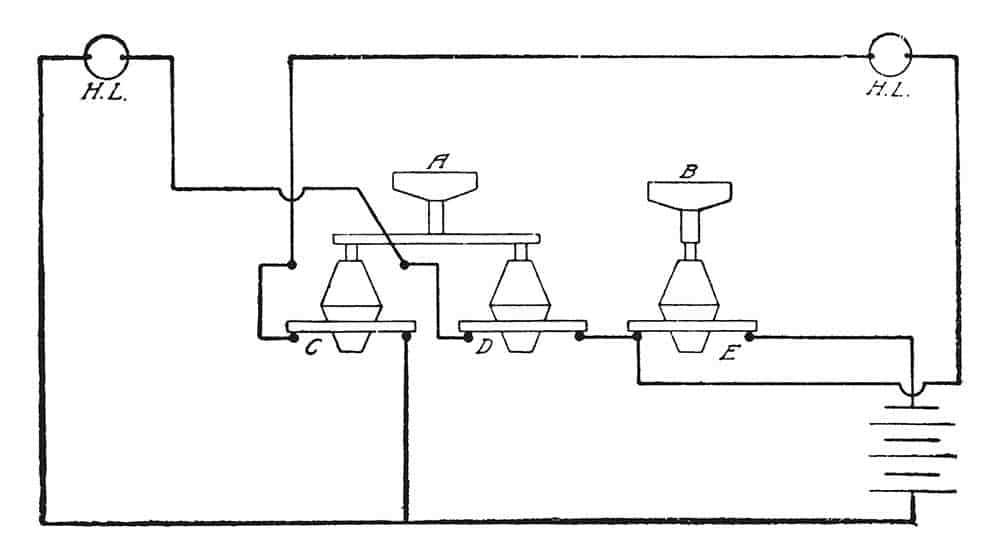
Identifying Fuses Relays and Terminal Connections
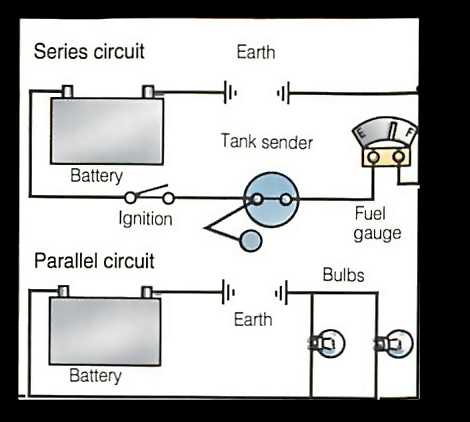
Start by locating the main fuse and relay panel. Use a voltage tester to verify each lead before removal.
- Check for blown fuses by continuity testing
- Inspect relays for clicks or resistance anomalies
- Document terminal positions and wire colors
This prevents misconnection and protects sensitive modules during maintenance.
Verify terminal connections at sensors, lights, and accessory modules. Look for corrosion, loose clips, or frayed insulation.
- Clean or replace corroded terminals
- Retighten loose connections
- Tag leads for easier reconnection
Proper identification ensures reliable power distribution and reduces the risk of intermittent faults under load.