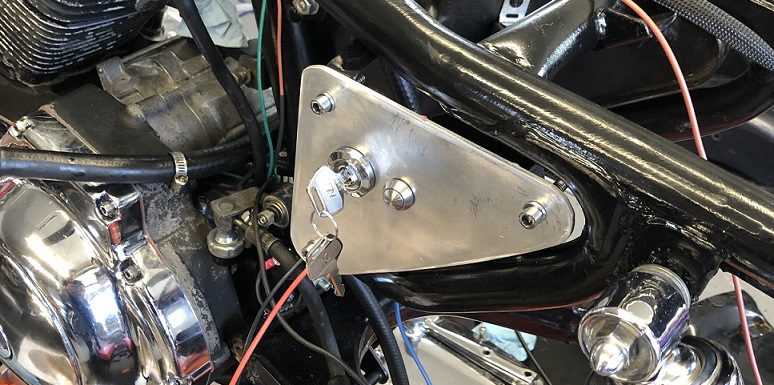
Ensure the battery is disconnected before handling any high-voltage terminals. Verify all leads with a multimeter to avoid accidental short circuits or sparks.
Identify the primary and secondary outputs using color-coded insulation or manufacturer markings. Label each connection to prevent cross-connection that could damage the electronic control module.
Secure all mounting points to minimize vibration transfer. Loose units can lead to intermittent contact or premature wear of connectors. Use anti-vibration washers when recommended by the service manual.
Check continuity and resistance across terminals before applying power. Compare measured values against specifications to confirm correct unit function and detect potential internal faults.
Perform initial operation at low engine speed to observe spark consistency. Monitor for irregular firing or overheating that could indicate incorrect connections or defective components.
Connecting Ignition Units for Motorcycle Performance
Identify primary and secondary terminals using color codes or printed markings on the housing. Ensure each lead is matched to the corresponding input or output point to maintain proper spark timing and avoid engine misfires.
Secure fasteners and mounting points to minimize vibration transfer. Use insulated washers or bushings where recommended to prevent electrical shorts and maintain stable electrical contact under high RPM conditions.
Test unit functionality before full operation by checking continuity and resistance across terminals with a multimeter. Run the engine at low speed to observe spark consistency and verify that all connections deliver stable ignition without overheating or irregular firing.
Identifying Ignition Terminals and Color Codes
Locate the primary and secondary terminals by checking the manufacturer markings or printed color codes on the unit. Use a reference chart to match each lead with the correct input or output point for accurate spark delivery.
Confirm terminal polarity with a multimeter before making connections. Red or black leads typically indicate positive and negative inputs, while colored high-voltage wires correspond to spark output for each cylinder.
Label all leads to prevent confusion during assembly. Use heat-shrink sleeves or colored tape for each conductor, ensuring future maintenance or replacement can be performed without risk of cross-connection.
Inspect insulation and connectors for wear or corrosion. Replace any damaged terminals to maintain consistent spark timing and prevent misfires, which can reduce engine performance and increase component stress.