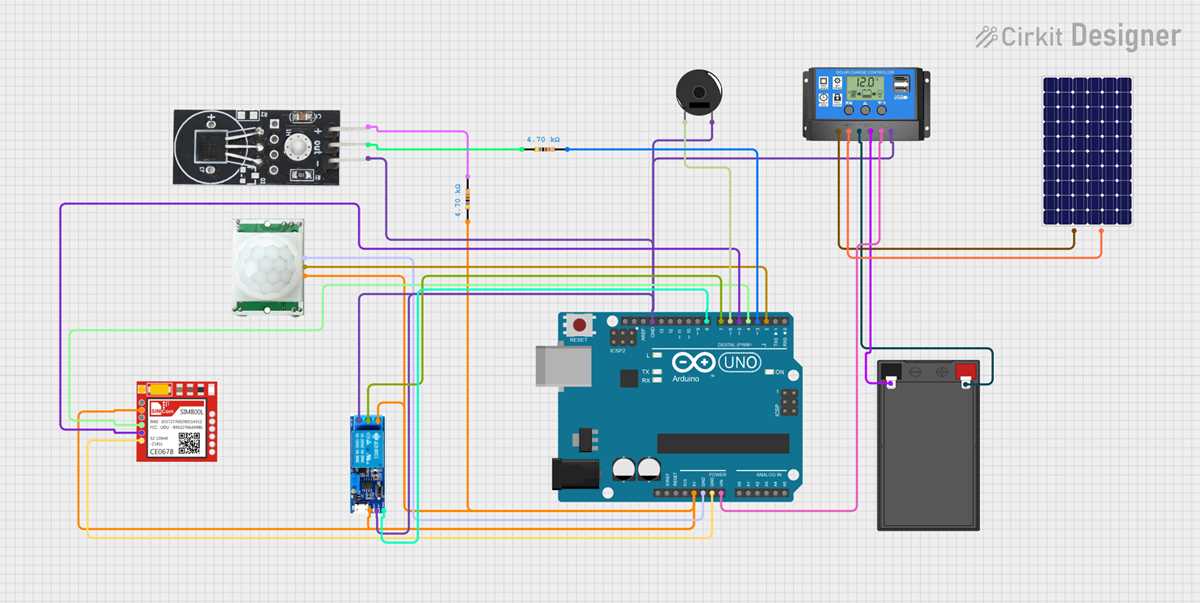
Use a regulated DC power source between 12 and 15 volts to maintain stable temperature differences across the device. Avoid voltage spikes above 16 volts, which can reduce cooling efficiency and shorten operational lifespan.
Connect thermal plates with conductive paste to improve heat transfer between the hot and cold sides. Ensure the surfaces are flat and pressure is evenly applied to prevent hotspots that degrade performance.
Include a heat sink and fan on the hot side to dissipate excess energy. A 50 mm fan combined with aluminum fins rated for at least 20 watts significantly reduces backflow heating and maintains temperature stability.
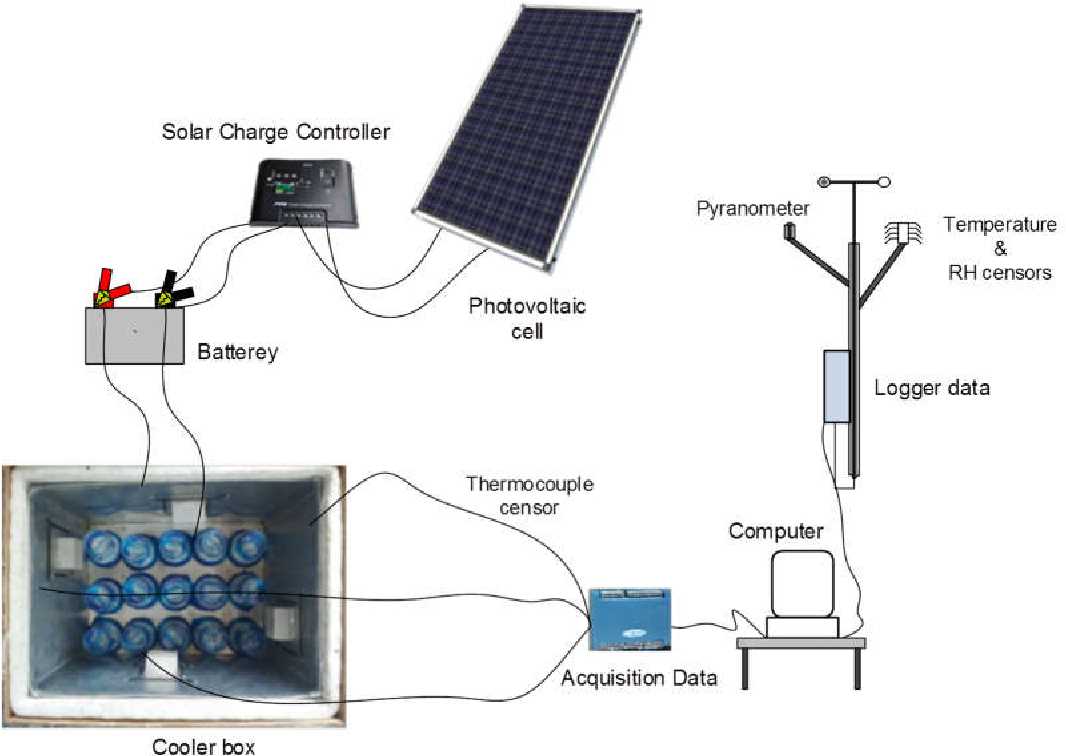
Monitor current draw carefully using a multimeter in series. Standard units draw between 4 and 6 amps at 12 volts under full load; exceeding this can overheat components and damage solder joints.
Connection and Operation Guide for Thermoelectric Units
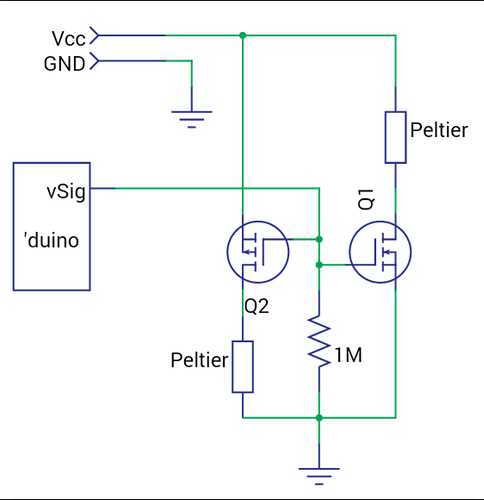
Apply a stable DC voltage between 12 and 15 volts to the device terminals, ensuring the polarity is correct. Reversing polarity will swap hot and cold sides, which may compromise intended performance.
Mount the cold and hot plates with thermal paste to enhance heat transfer. Use uniform pressure and flat surfaces to avoid hotspots. Attach a heat sink and fan to the hot side to maintain temperature stability during extended operation.
Monitor current draw carefully to prevent overloading. Standard units draw 4–6 amps under full load. Incorporate a fuse rated slightly above the maximum current to protect wiring and prevent component damage. Adjust voltage gradually to achieve desired temperature difference without exceeding safe limits.
Selecting Power Supply and Controlling Temperature Variations
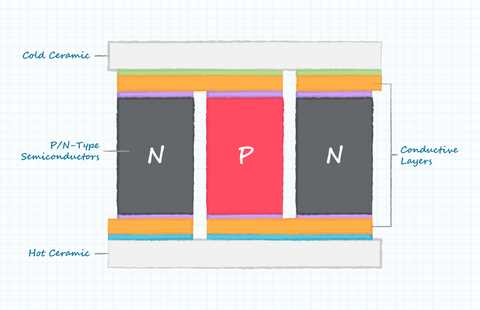
Choose a regulated DC power source capable of delivering stable voltage between 12 and 15 volts with sufficient current capacity, typically 4–6 amps per unit. Using an undervolted supply will reduce the thermal difference, while overvoltage may damage the components. Ensure wiring is thick enough to handle the load without significant voltage drop.
Implement a temperature control method using either a PWM controller or a feedback loop with a thermistor. Connect the sensor close to the cold surface and adjust duty cycles or voltage to maintain a desired temperature range. Avoid sudden voltage changes to prevent thermal stress, and always monitor hot side heat dissipation with an adequate heat sink and airflow.