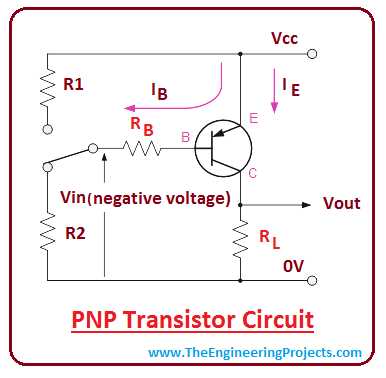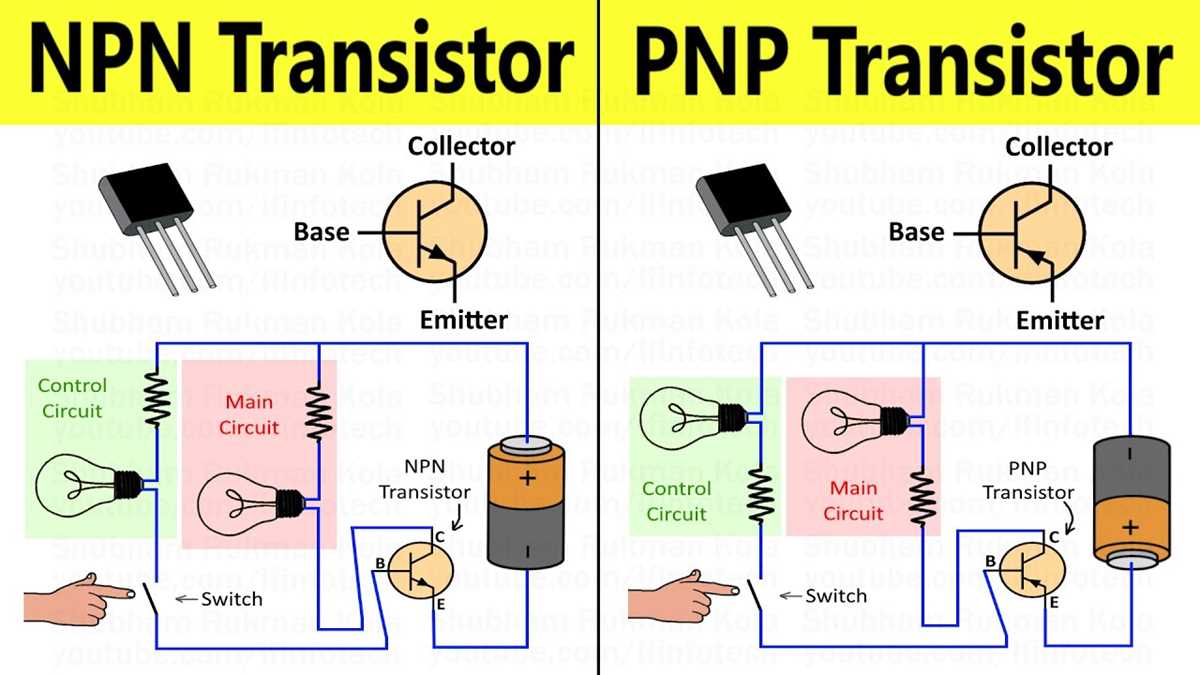
Use a PNP small-signal component rated at least 40V and 600mA when handling low-voltage loads to ensure reliable activation without overheating. Pair it with a base resistor between 1kΩ and 4.7kΩ to limit current while providing sufficient bias for consistent operation.
Connect the emitter line directly to the positive supply and route the collector to the load’s positive terminal, ensuring that all solder points are clean and mechanically stable. This configuration prevents voltage drops and minimizes the risk of intermittent contacts under load conditions.
Control input should be applied through a clean logic source capable of sinking 5–10mA. Avoid driving it directly from high-impedance outputs without a series resistor, as this may leave the component partially conducting, causing excessive heat and unstable switching.
Verify connections with a multimeter before powering the assembly. Measure resistance from collector to emitter and check the voltage drop across the base resistor when a logic signal is applied. This ensures that the load will switch fully without unintended leakage.
Use heat sinks or thermal pads if the load exceeds 200mA, and keep traces wide if using a printed board to maintain current handling capability. This reduces thermal stress on the PNP component and prolongs its operational lifespan.
Practical guide to PNP transistor switch with accurate setup and connections
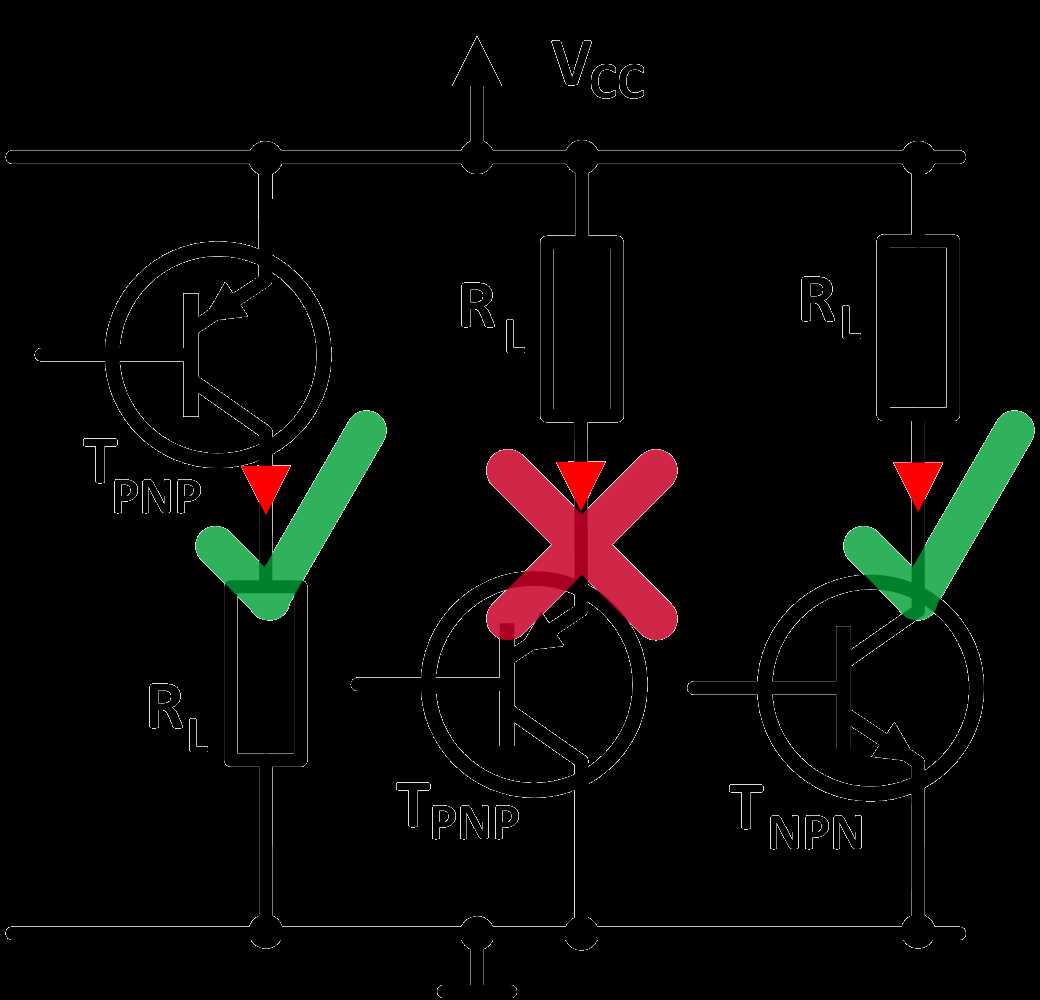
Connect the emitter directly to the positive supply rail and ensure that the load sits between the collector and ground. Use a resistor of 1kΩ to 4.7kΩ on the control input to limit current and maintain consistent activation, avoiding partial conduction that could overheat the component.
Verify each terminal with a multimeter before applying voltage. Measure resistance between collector and emitter to confirm there are no unintended shorts, and check voltage across the base resistor under a logic signal. This guarantees reliable operation and prevents signal leakage from activating the load incorrectly.
Use short, well-routed connections and solder joints to minimize voltage drops. If the load exceeds 200mA, consider thermal management using heat sinks or wider traces to prevent overheating and maintain stable performance under continuous switching conditions.
Choosing suitable PNP transistors and resistors for switching applications
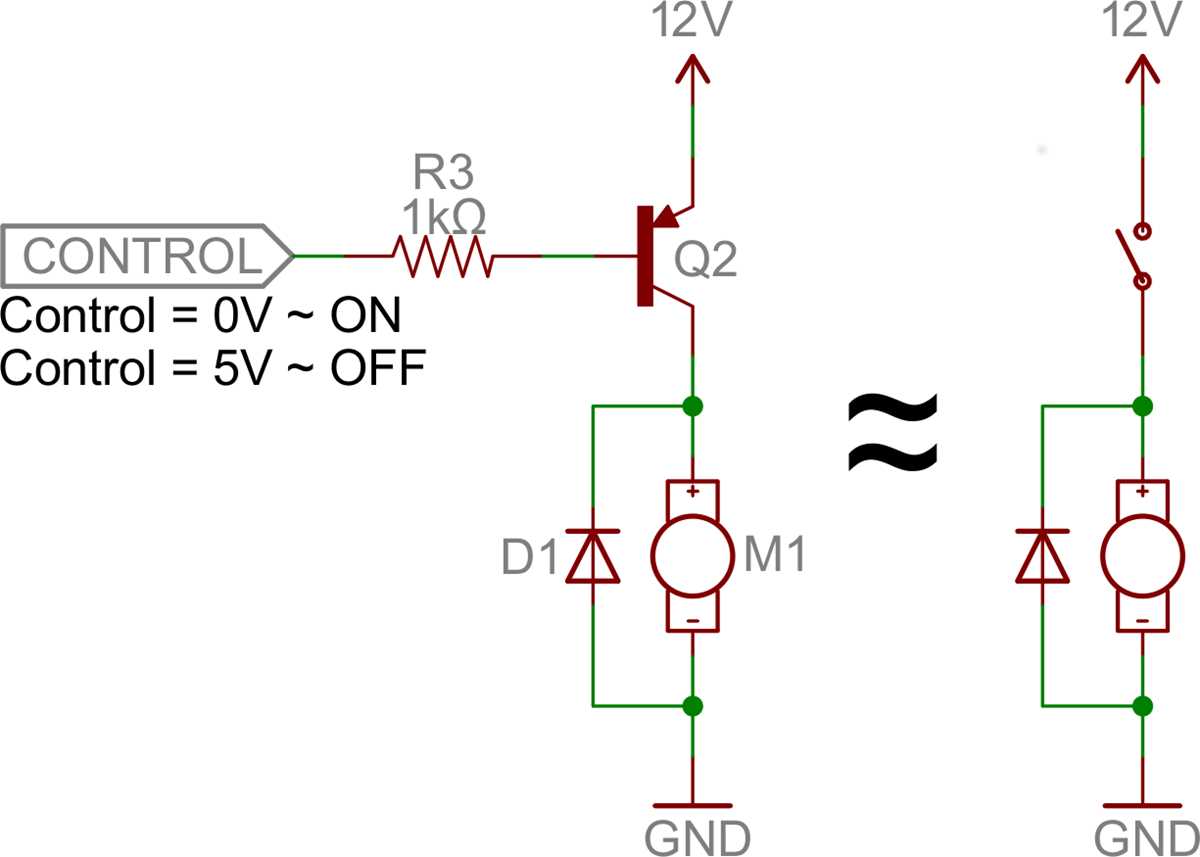
Select devices rated above the maximum load current to prevent thermal stress. For loads under 500mA, small-signal components like BC557 or similar provide adequate gain, while high-current applications above 1A require robust units such as TIP42 with proper heat dissipation.
Determine the control resistor using base current calculations. Use the formula R = (Vcontrol − Vbe) / Ib, where Vbe is typically 0.7V and Ib is 1/10th of the load current. For a 100mA load at 5V control, a 3.3kΩ resistor stabilizes conduction without overloading the control source.
Check voltage ratings and package types to match system requirements. Components with at least 20–30% higher voltage tolerance than supply ensure safe operation under transient spikes, while TO-92 or TO-220 packages provide physical durability and thermal handling based on power dissipation.
Use resistor networks for multi-load applications. If driving several LEDs or relays from one control, calculate each series resistor to balance current distribution, avoiding uneven brightness or unintended triggering caused by shared control paths.
Test selected devices on a breadboard before final assembly. Measure base-emitter voltage under load and collector voltage swing to confirm that activation is clean, the gain is sufficient, and the components remain within thermal limits during continuous operation.