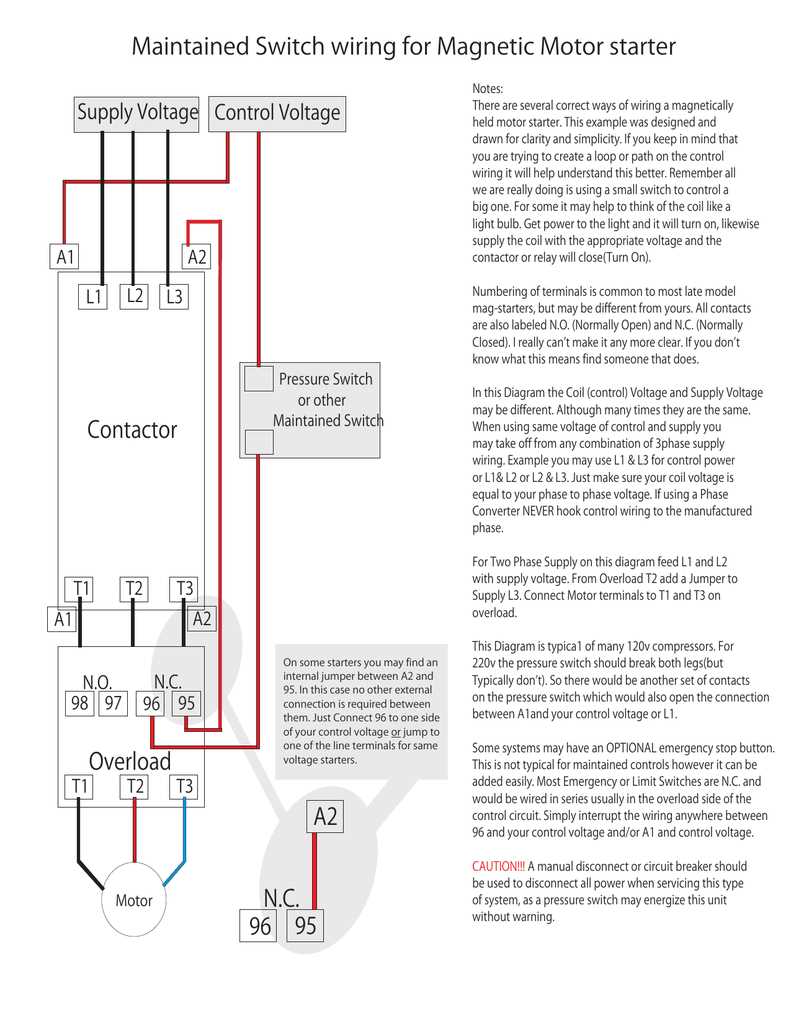
Ensure all power sources are disconnected before handling any terminals. Begin by labeling each lead according to the control panel specifications to prevent cross-connections.
Identify the line and load terminals clearly. Use a multimeter to verify voltage presence and continuity across the main contact points before proceeding with assembly.
Install protective devices such as fuses or circuit breakers in line with the supply conductors. This prevents overcurrent situations and safeguards connected equipment.
Follow the recommended sequence for energizing coils and auxiliary contacts. Start with control relays, then verify indicator lamps and sensors before applying full voltage to the load terminals.
Motor Starter Setup and Connection Guide
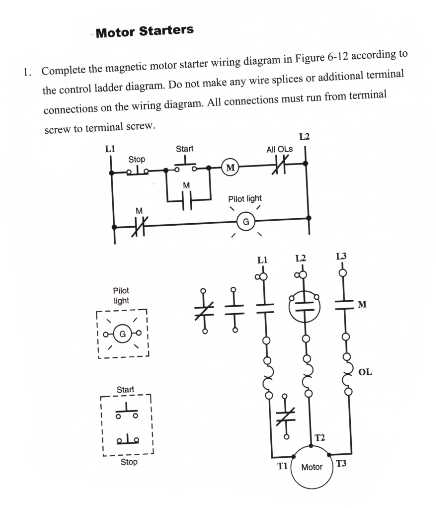
Begin by identifying the main supply terminals on the control unit. Ensure the incoming lines match the voltage rating and current capacity specified on the nameplate to avoid overloads or overheating.
Connect the control relay and auxiliary contacts following the sequential numbering indicated on the enclosure. Verify each connection with a continuity test to prevent misfiring or short circuits during operation.
Install thermal protection devices such as overload relays between the main contacts and the load conductors. Set the trip current according to the full-load current of the connected equipment for safe operation.
Perform a preliminary dry run by energizing the coils without applying full load. Observe indicator lamps and contact movement, and adjust the auxiliary connections if the response is inconsistent or delayed.
Identifying Terminals and Control Points
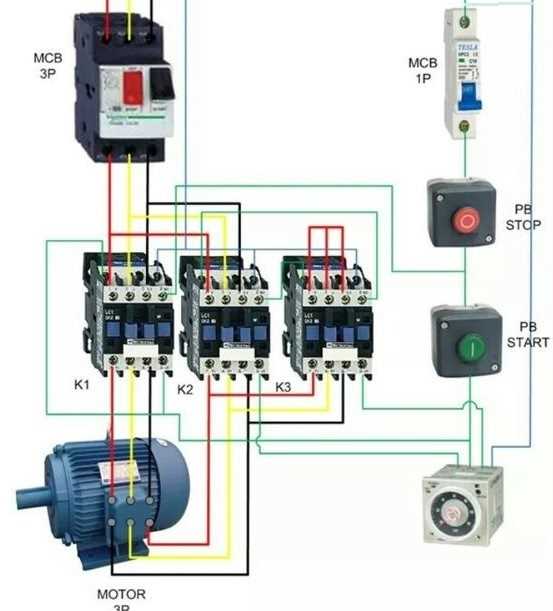
Locate the main connection points on the contact assembly and mark each terminal according to the labeled numbers. Confirm the voltage and current rating indicated to prevent misconnection.
Check the auxiliary contacts to distinguish between normally open and normally closed positions. Use a multimeter to verify continuity, which helps avoid incorrect triggering of downstream equipment.
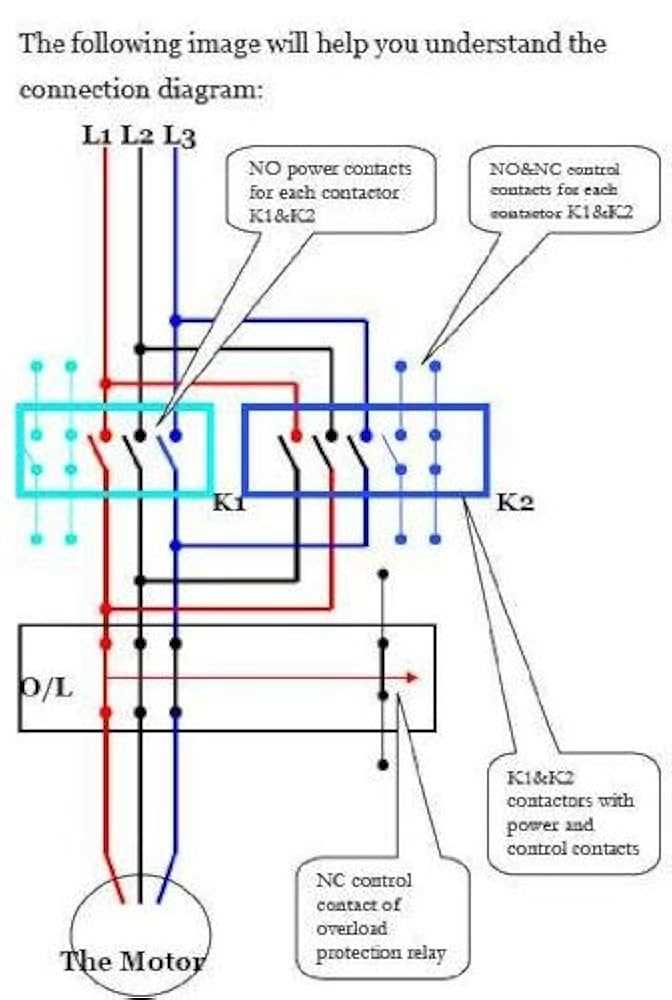
Identify control coil terminals and ensure the supply polarity matches the specifications on the label. Incorrect polarity can cause coil malfunction or reduced operational lifespan.
Mark pushbutton inputs and selector switch connections on the control panel. Confirm each input aligns with the intended logic sequence for start, stop, and safety interlocks.
Inspect the overload relay terminals and adjust trip settings according to the expected load current. Label each terminal clearly to reduce confusion during maintenance.
Trace signal points leading to indicator lights to ensure accurate feedback on the operational status. Test each light individually before connecting to the main control paths.
Verify ground and neutral connections at every junction point. Proper grounding prevents electrical shock hazards and ensures protective devices operate correctly.
Document each terminal and control point in a reference chart with voltage ratings and function. This simplifies troubleshooting and future upgrades of the control system.