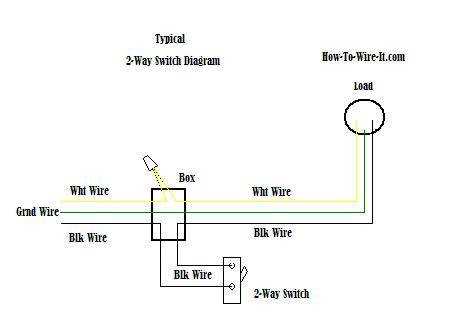
Identify the common terminal and traveler points on each device before making any connections. Use a voltage tester to confirm which line carries power and which lines act as travelers between control locations. This prevents misconnection and short circuits.
Label each conductor according to its function. Standard color codes usually assign black for the common feed, red or brass for travelers, and white for neutral. Proper labeling ensures correct orientation and simplifies installation across multiple locations.
Secure all connections with terminal screws or wire connectors. Avoid twisting wires without support, as vibrations can loosen contacts. Ensure insulation covers all exposed conductors to prevent accidental contact with metal surfaces.
Test the circuit before closing the boxes. Operate each control point to confirm that the lighting responds correctly and that there are no flickering or dead zones. Correct any reversed or loose connections immediately for reliable operation.
Step by Step Instructions for Connecting Dual Control Lighting
Identify the line and load terminals before making any connections. Use a voltage tester to determine which conductor carries power and which connects to the fixture. This ensures that current flows correctly and prevents accidental short circuits during installation.
Connect traveler leads between the two control points. Use consistent color coding, typically red or brass, for these links. Ensure that the wires are secured under screws or with proper connectors, and that no bare conductors are exposed to metal surfaces to maintain safety and reliability.
After completing the connections, test the circuit by operating both control locations. Flip each lever to verify that the lighting responds correctly without flickering or dead zones. Recheck any loose terminals or reversed travelers before restoring covers and returning power to the circuit.
Identifying Terminals and Wire Colors for Dual Control Devices
Locate the common terminal on each unit first. It is usually marked with a black screw or a distinctive color, separate from traveler points. This terminal connects either to the incoming power source or directly to the fixture.
Traveler terminals are generally brass or red. These points carry current between the two control locations and must be connected consistently to avoid reversing operation or non-functioning circuits.
Neutral conductors, typically white, must be connected together and isolated from the other terminals. Proper neutral continuity ensures that the fixture operates correctly and prevents short circuits.
Grounding is critical for safety. Attach the bare or green wire to the designated green screw or grounding point on each unit. Verify a solid connection to the box or metallic frame to avoid shock hazards.
Use a voltage tester to confirm each conductor’s function. Check the line voltage at the common and test continuity between traveler points when operating the device. Accurate identification prevents misconnection and reduces troubleshooting time.
Label each terminal and its corresponding conductor before final assembly. Mark which traveler corresponds to each screw, and note the common and neutral positions. This simplifies installation and future maintenance.
After completing the connections, test the system from both control points. Flip each lever to ensure proper operation, confirm that there is no flickering, and verify that all channels respond correctly. Correct any reversed or loose leads before restoring covers.