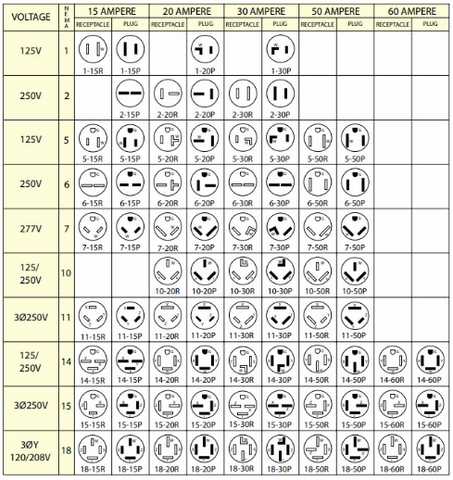
Begin by identifying each terminal on the receptacle and its corresponding conductor. Label live, neutral, and ground wires before installation. Check insulation for cuts or frays and trim any exposed strands to prevent accidental shorts.
Secure all connections with rated screws or clamps. Tighten gradually while ensuring wires remain fully seated. Avoid over-tightening, which can damage the conductors or deform terminals, reducing reliability under load.
Test each connection with a multimeter before applying full voltage. Verify continuity for live and neutral, and confirm low resistance on the grounding path. This ensures proper function and safety when the device is energized.
Step by Step Guide for Correct Electrical Connections
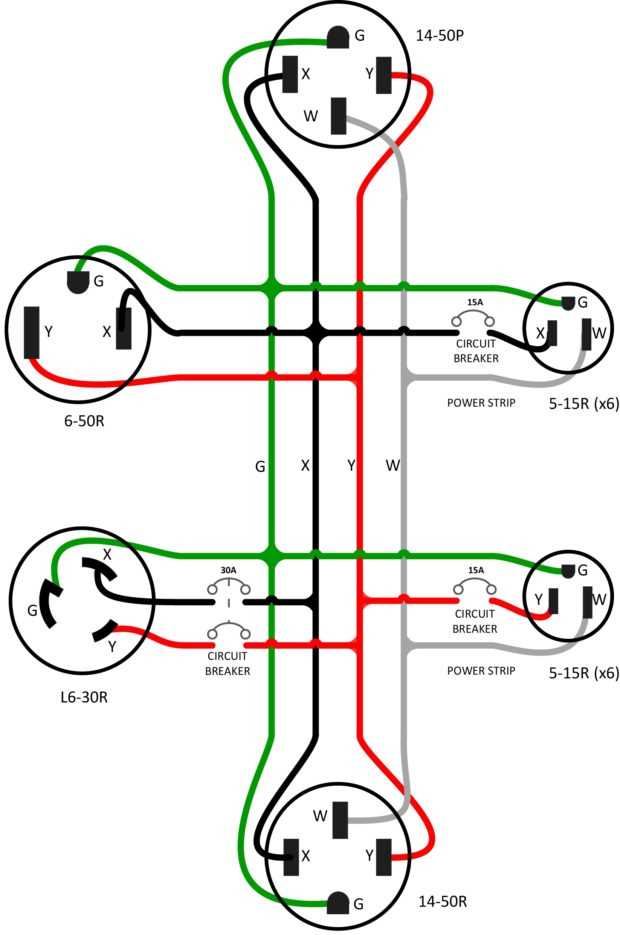
Identify all terminals on the receptacle and label each conductor. Mark live, neutral, and ground wires clearly before connecting. Inspect insulation for cuts or damage and remove any exposed strands to prevent accidental shorts or shocks.
Attach the ground wire first to ensure safety. Use a screw or clamp rated for the conductor size, and confirm the connection is tight but not deforming the wire. A secure grounding path is critical for reliable operation.
Connect the neutral conductor to its corresponding terminal. Ensure the wire is fully inserted and the terminal screw is snug. Check that no copper is exposed outside the terminal block to prevent accidental contact.
Attach the live conductor carefully, verifying it aligns with the correct terminal. Tighten the screw gradually while keeping the wire fully seated. Improper seating can lead to overheating or intermittent power delivery.
Double-check all connections with a multimeter. Test continuity for each conductor and confirm there are no shorts between live, neutral, and ground. This step ensures the receptacle is safe to energize under load.
After verifying, reassemble any protective covers or housings. Ensure wires are not pinched and maintain sufficient slack for vibration or movement. This preserves the integrity of connections and supports long-term reliability.
Identifying Terminals and Conductor Functions
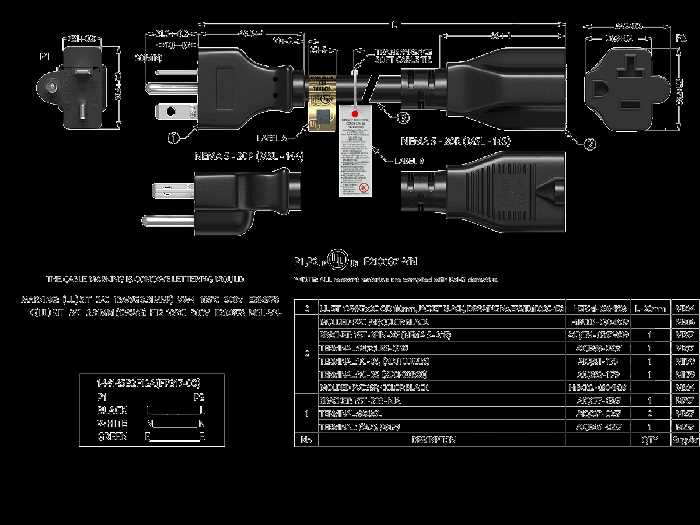
Start by examining each terminal on the receptacle. Terminals are usually marked or color-coded to indicate live, neutral, and ground. Confirm these markings with a multimeter before making connections.
Use a clear labeling system for conductors. Assign colored tape or permanent markers to each wire according to its function. This prevents mistakes during assembly and ensures that each terminal receives the correct conductor.
Check the size and type of each terminal. Terminals designed for larger gauge conductors require larger screws or clamps. Ensure the conductor fits snugly without forcing it, which could damage insulation or the terminal itself.
- Live conductor: carries current to the device and should be connected to the correct terminal with secure torque.
- Neutral conductor: returns current and must have full contact in the terminal block to prevent arcing.
- Ground conductor: provides a safe path for stray current and must always be attached first.
Inspect each wire for integrity before connection. Look for fraying, cuts, or oxidation. Strip insulation precisely to expose the required length without leaving excess copper exposed.
Test continuity for each conductor using a multimeter. Confirm that live and neutral paths are isolated from the ground. This step ensures that connections are functional and safe before applying voltage.
Document terminal assignments for future reference. A clear record of conductor functions and terminal positions helps with maintenance, troubleshooting, and any future upgrades or replacements.