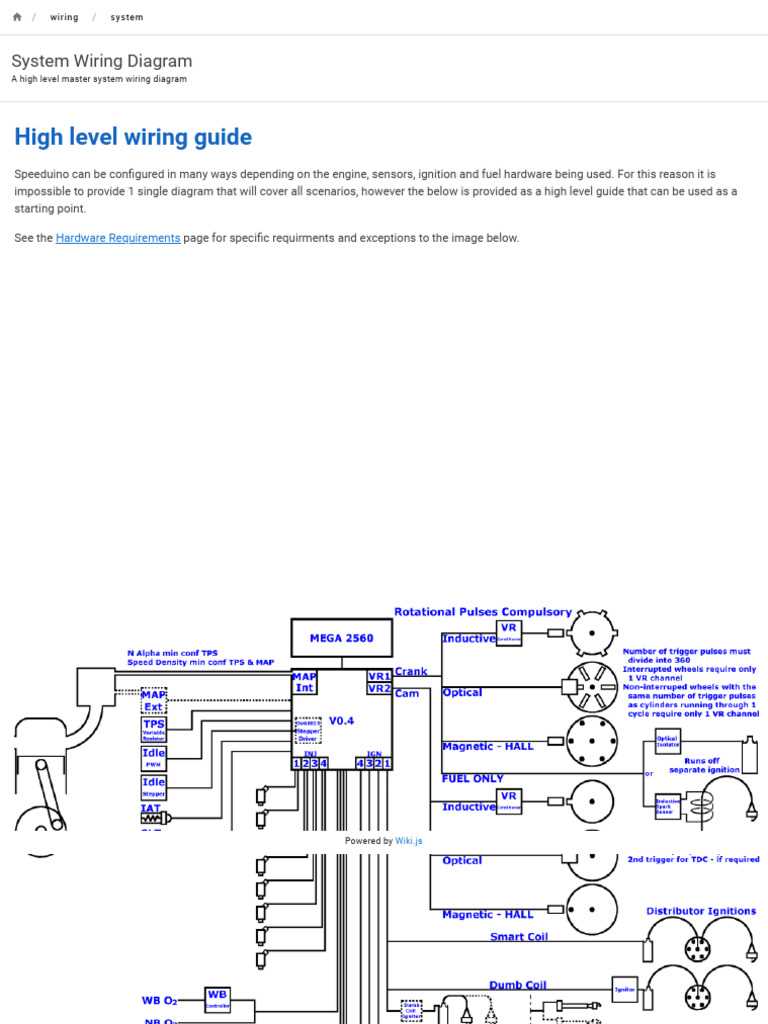
Check the electrical layout of the mower before replacing switches or tracing faults. The zero-turn machine uses a 12-volt DC system where battery power flows through the ignition key, safety switches, and relay circuits before reaching the starter and blade clutch. Incorrect connection order often prevents cranking or disables the blade engagement system.
The battery positive cable feeds the key switch through a fused lead rated around 20–30 amps. From the key switch, current branches to the starter solenoid, charging circuit, and safety interlock network. Each branch must maintain stable voltage above 12 volts while the key is in the start position. Lower readings indicate corrosion at connectors or weak battery output.
Blade engagement uses an electric PTO clutch mounted on the engine crankshaft. Power reaches this unit through a dash switch and several interlock devices, including the seat sensor and brake switch. If any of these sensors remain open, the clutch circuit stays inactive and blades will not rotate.
The harness running under the seat and along the frame contains color-coded conductors that link the ignition switch, relay, and safety devices. Black conductors usually serve as ground, while red or orange carry battery voltage. A multimeter test between ground and the supply conductor helps confirm continuity before replacing components.
Follow the electrical layout carefully while tracing faults. Checking voltage at each connector step by step helps locate breaks in the harness, worn switches, or failed relays without removing major mechanical parts.
Exmark Lazer Z Wiring Diagram With PTO Switch Ignition Circuit and Safety Interlock Layout
Trace battery voltage from the positive terminal to the key switch before testing other parts. The mower electrical system uses a 12-volt supply routed through a main fuse and ignition switch, then splits toward the starter solenoid and blade clutch control circuit. If the starter does not engage, measure voltage at the solenoid input while the key is held in the start position. A reading below 10.5 volts during cranking indicates battery weakness or resistance in the harness connectors.
The blade drive clutch receives power only after several interlock devices close. The control path typically runs from the ignition switch to the dash blade switch, then through the seat sensor, parking brake switch, and neutral position switch. Each device acts as a gate that must remain closed for current to reach the clutch. If the blades fail to engage, check continuity through each switch with the parking brake set and the operator seated. Resistance across a closed switch should remain near 0 ohms.
Inspect conductor routing along the frame and under the seat platform. High-current lines supplying the clutch normally use 14–16 AWG copper, while signal leads for interlock sensors use thinner conductors. Damaged insulation, loose connectors, or corrosion inside multi-pin plugs often interrupts the circuit. Measuring voltage step by step along the harness quickly reveals where power stops before reaching the clutch or starter relay.
Exmark Lazer Z ignition switch terminals and battery power routing
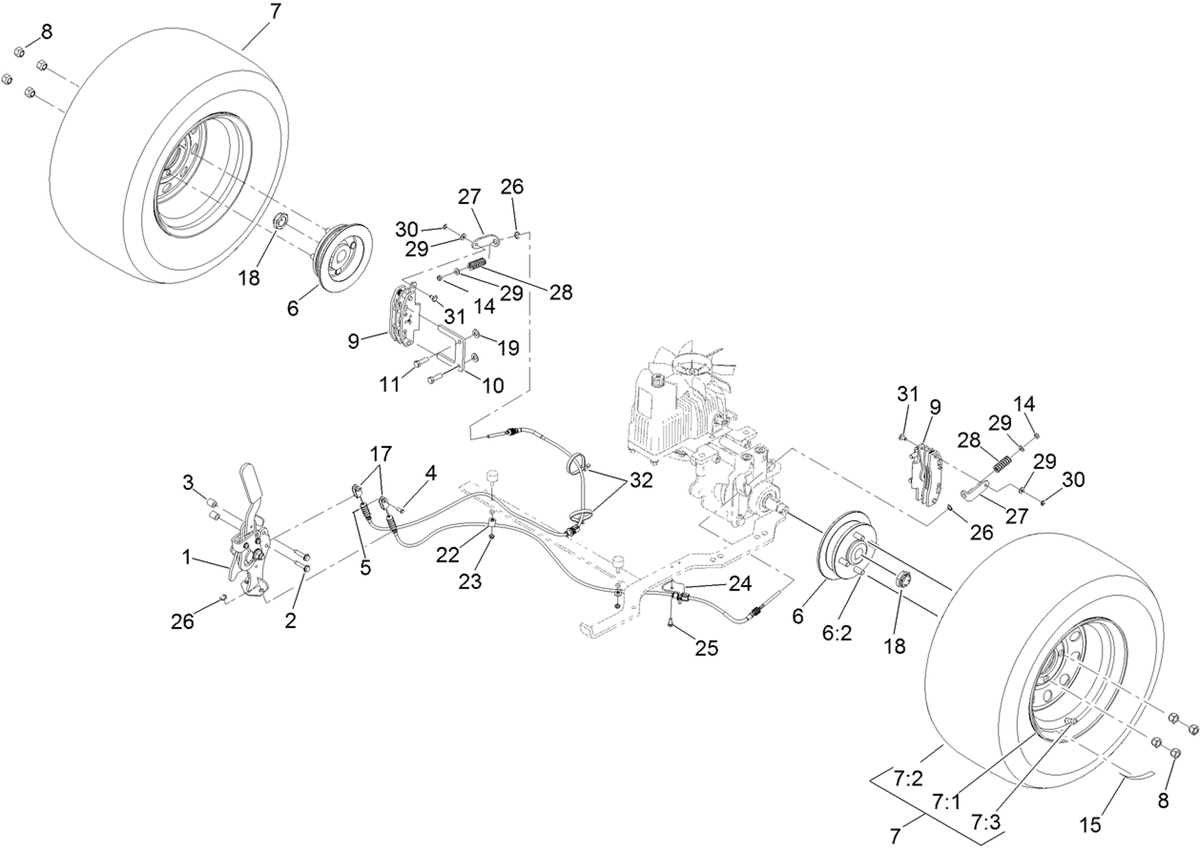
Check terminal identification on the key switch before tracing power lines. The ignition unit used on this zero-turn mower usually contains five labeled posts that control battery supply, starter activation, accessory power, and magneto shutdown.
Typical ignition switch terminal layout
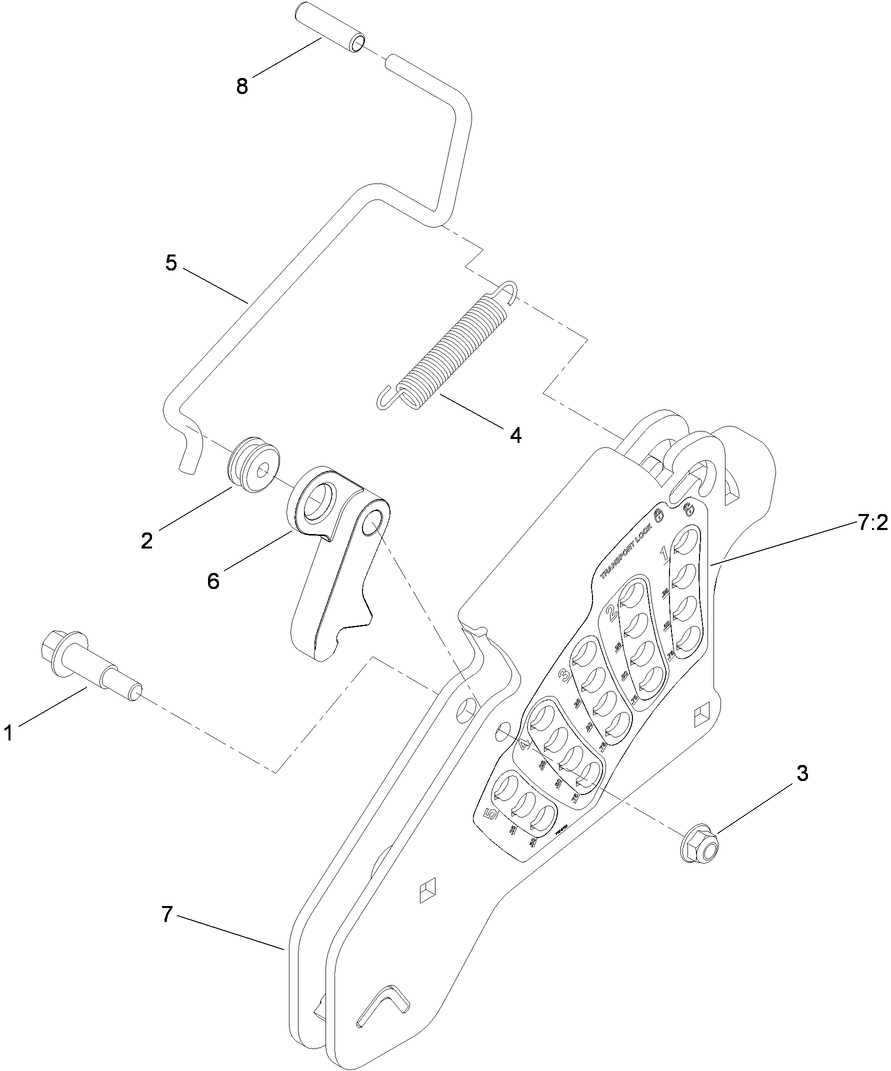
The back of the switch normally shows stamped letters near each post. Common assignments include:
- B – direct battery input from the positive cable through a fuse
- S – output to the starter solenoid during the start position
- A – accessory power used for charging indicator or hour meter
- M – magneto grounding circuit that stops the engine
- G – ground reference connected to chassis metal
Battery voltage arrives at terminal B through a fused conductor rated around 20–30 amps. With the key turned to RUN, this terminal supplies current to accessory circuits and interlock switches. A digital multimeter placed between terminal B and chassis ground should display approximately 12.6 volts with the engine off and up to 14.4 volts while the charging system operates.
Battery power path through the starting circuit
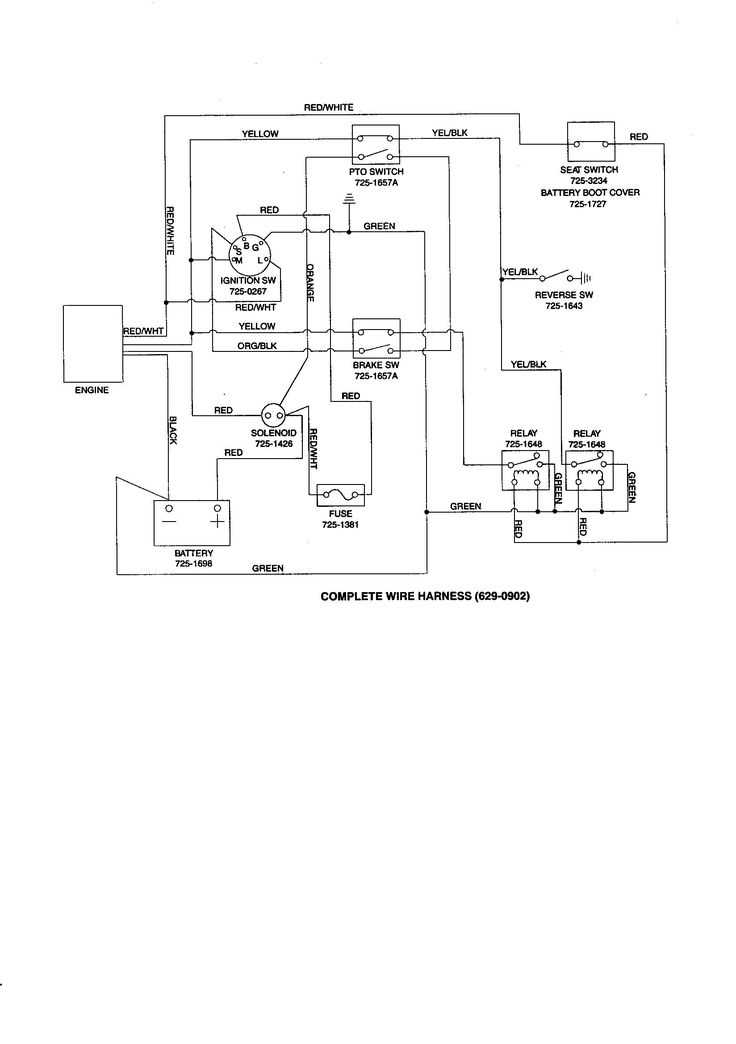
The starting path follows a simple sequence:
- Battery positive cable feeds the fuse block
- Fuse output connects to ignition terminal B
- Turning the key to START sends voltage from terminal S
- The signal reaches the starter solenoid control post
- The solenoid closes and connects battery power to the starter motor
If the starter fails to engage, measure voltage at terminal S while the key is held in the start position. The meter should read close to battery voltage. A lower value often indicates resistance at connectors, worn switch contacts, or damaged harness conductors.
Inspect the harness section running from the battery tray to the dash panel. Conductors carrying starter current normally use 10–12 AWG copper, while switch control lines use thinner 16–18 AWG conductors. Loose terminals or oxidation inside the switch connector may interrupt power delivery and prevent engine cranking.