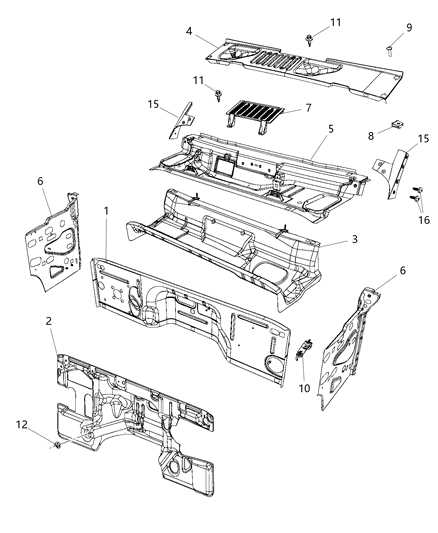
To properly maintain your vehicle, start by familiarizing yourself with its key structural elements. Knowing where each piece fits within the overall design allows for easier repairs and better decision-making when replacing parts.
The exterior structure includes several primary components, such as the grille, bumpers, doors, and roof. These are all integral to the protection of internal systems and passengers. Keep an eye on areas prone to wear, like the door hinges or underbody supports, as they often require attention after extended use.
Inside the frame, understanding the role of structural components like the chassis and crossmembers helps with proper maintenance. These components hold everything together and should be checked for corrosion or cracks regularly to ensure long-term stability. Identifying parts like the suspension mounts and shock absorbers can prevent major issues down the road.
Whether you’re replacing a part or assessing damage, having a clear understanding of each piece’s function simplifies the process and improves the longevity of your vehicle. Regularly inspect the undercarriage for signs of wear and tear, particularly around the axles, to maintain safety and performance.
Vehicle Structure Components Breakdown
Start by examining the outer frame, which includes the front grille, bumper, fenders, and side panels. These parts are exposed to the most wear and tear and require frequent checks for damage or rust, especially in off-road conditions.
The door assemblies, including hinges, latches, and seals, are essential for maintaining both security and weather protection. Regularly inspect the rubber seals around the doors and windows to prevent water leaks or wind noise.
Underneath, focus on components such as the suspension mounts, axles, and shock absorbers. These parts are critical for ride quality and vehicle handling. Examine the mounting points for cracks or excessive wear, as these can affect stability and performance.
Inside the chassis, look at the crossmembers and frame supports. These structural elements bear the load of the vehicle and are key to ensuring safety in the event of an impact. They should be inspected for signs of rust or damage, especially in areas prone to dirt and debris accumulation.
By keeping track of these key components and performing regular inspections, you’ll ensure that your vehicle stays safe and operational for years to come. Make sure to address minor issues before they develop into major problems that could affect other systems.
Identifying Key External Parts of a Vehicle
Begin with the front grill, an important feature not just for aesthetics but also for engine cooling. Check for any cracks or damages, especially in areas where debris and dirt accumulate. A well-maintained grill ensures proper airflow to the radiator.
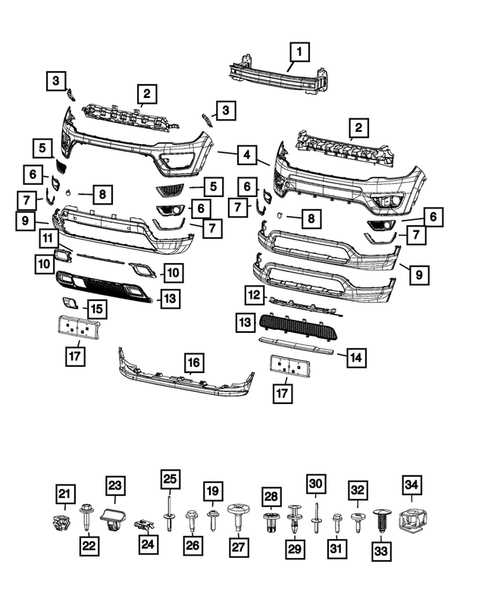
Inspect the bumpers for any dents or scratches. These are designed to absorb impacts and protect the vehicle from minor collisions. Check for loose or broken mounts that could compromise their function in a crash.
Next, examine the fenders. These parts protect the wheel wells and the vehicle’s lower side from dirt, mud, and rocks. Over time, fenders can get damaged from off-road driving or impact with obstacles. Regular checks are important to ensure they stay securely attached.
The side panels and doors also need attention. Check the door hinges, locks, and seals. Worn-out seals can cause water leaks, and faulty hinges can lead to alignment issues. Make sure that the panels are aligned properly to prevent rusting at the joints.
Lastly, inspect the tires and wheel wells. Ensure that no debris is stuck, as this can affect tire performance. Also, verify that the wheel wells are clear of any buildup that could cause overheating or damage during extended driving.
Understanding the Frame and Structural Components
The frame is the backbone of any off-road vehicle, providing the necessary support for all other components. Inspect the chassis regularly for any signs of rust, cracks, or deformation, especially after off-road use, as impacts can weaken the structure.
Start by checking the crossmembers. These horizontal beams connect the two sides of the frame and provide strength and rigidity. Ensure that they are not bent or cracked, as this could affect the vehicle’s stability and handling.
Next, examine the suspension mounting points. These are critical for attaching the suspension system to the frame. Look for signs of wear or stress, such as cracks or loose bolts, which could lead to suspension failure if left unaddressed.
The frame rails themselves must be thoroughly inspected for any signs of damage. These long, vertical sections of the frame bear the weight of the vehicle and are subject to the most stress. A bent or cracked frame rail can significantly affect the vehicle’s alignment and performance.
Finally, the roll cage or protective cage (if equipped) should be checked for structural integrity. This component is designed to protect the driver and passengers in case of a rollover. Ensure all joints and welds are intact and that there are no visible signs of wear.
Common Repair and Replacement Areas
One common repair area involves the fender. This part is exposed to dirt, debris, and impacts, which can cause cracks or dents. Inspect for any structural damage or rust, especially around the wheel arches, and replace or repair accordingly.
The front and rear bumpers are also frequent replacement areas. These components absorb the force from minor collisions and can easily be damaged or misaligned. Check for any deformation or loss of function in the bumper mounts and replace parts as needed to maintain safety and aesthetics.
Another area prone to wear is the door frame and hinges. Over time, door hinges can become loose or damaged, affecting the door’s operation. Examine the door seals and hinges for wear and replace any faulty components to prevent water or air leakage.
Frame rail damage can occur from heavy off-road use. These structural components bear the vehicle’s weight and are crucial for stability. Inspect them for any bending or cracks, and replace sections if necessary to avoid compromising the vehicle’s structural integrity.
The grille and front fascia often take the brunt of off-road adventures and minor accidents. These areas can become cracked or bent, impairing airflow or damaging headlights. If there’s noticeable damage, consider replacing the grille or repairing the mounting points to ensure proper alignment and airflow.