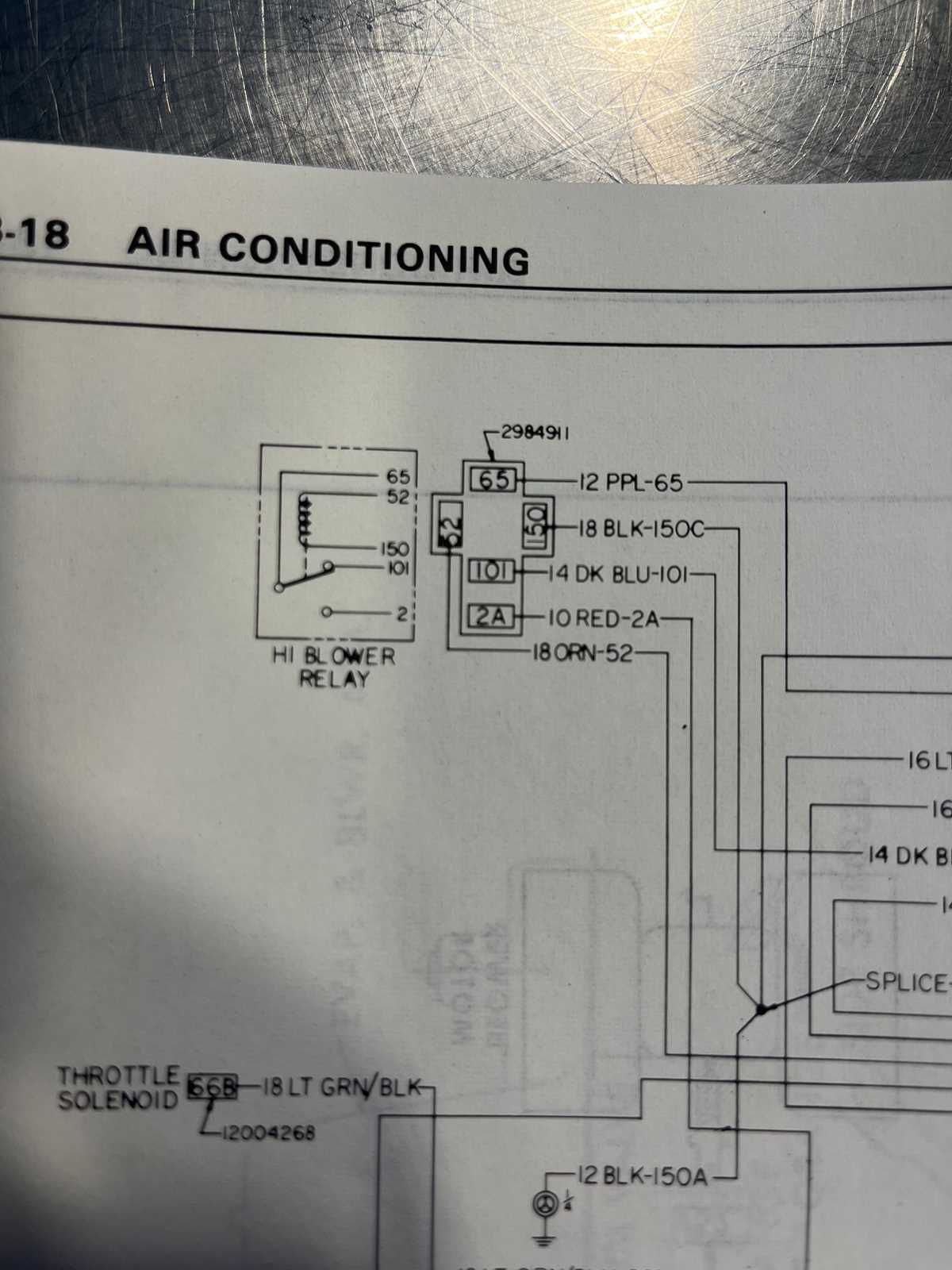
Disconnect the vehicle battery before connecting any control module terminals. Confirm zero voltage at all contact points with a digital multimeter. This prevents short circuits and protects onboard electronics.
Identify each terminal function based on the module chart. Typical connections include power input, ground, speed control signal, and fan activation output. Label all leads clearly to avoid misrouting and ensure proper operation.
Select the correct conductor gauge for each circuit. For 12 V systems, 16 AWG handles low-current signals, while 12 AWG is recommended for high-draw lines. Incorrect sizing can cause overheating or blown fuses during prolonged operation.
After installation, test each function individually by applying low current and measuring voltage at the end of the line. Document readings to verify continuity and reliable performance before full system operation.
HVAC Control Module Connection Guide
Disconnect the vehicle battery before starting any connections to avoid shorts or accidental activation. Verify zero voltage at all terminals using a digital multimeter. Safety is critical when handling live circuits.
Identify each module terminal according to the manufacturer’s chart. Common connections include power input, ground, speed control signal, and fan activation output. Label all leads to ensure accurate installation and avoid cross-connections.
Select conductors rated for the specific current load. Use 16 AWG for low-current signal paths and 12 AWG for high-current supply lines. Undersized wires can overheat and trigger fuses during operation.
Mount the module securely on a stable surface to reduce vibration stress. Tighten screws to recommended torque and apply dielectric grease on metal contacts to prevent corrosion and maintain good conductivity.
Connect each lead carefully, ensuring that no bare strands are exposed. Check continuity between the source and load terminals before powering the system to confirm proper paths and avoid shorts.
Perform a functional test by activating each circuit individually. Measure voltage at each terminal while the system is under light load to ensure proper transmission and response. Document all measurements for future troubleshooting.
Secure all conductors with clamps or cable ties to prevent movement and chafing. Inspect the installation for sharp bends, pinch points, or loose contacts. Regular checks before operation ensure reliable performance and longevity of the HVAC system.
Identifying Control Module Terminals and Circuit Functions
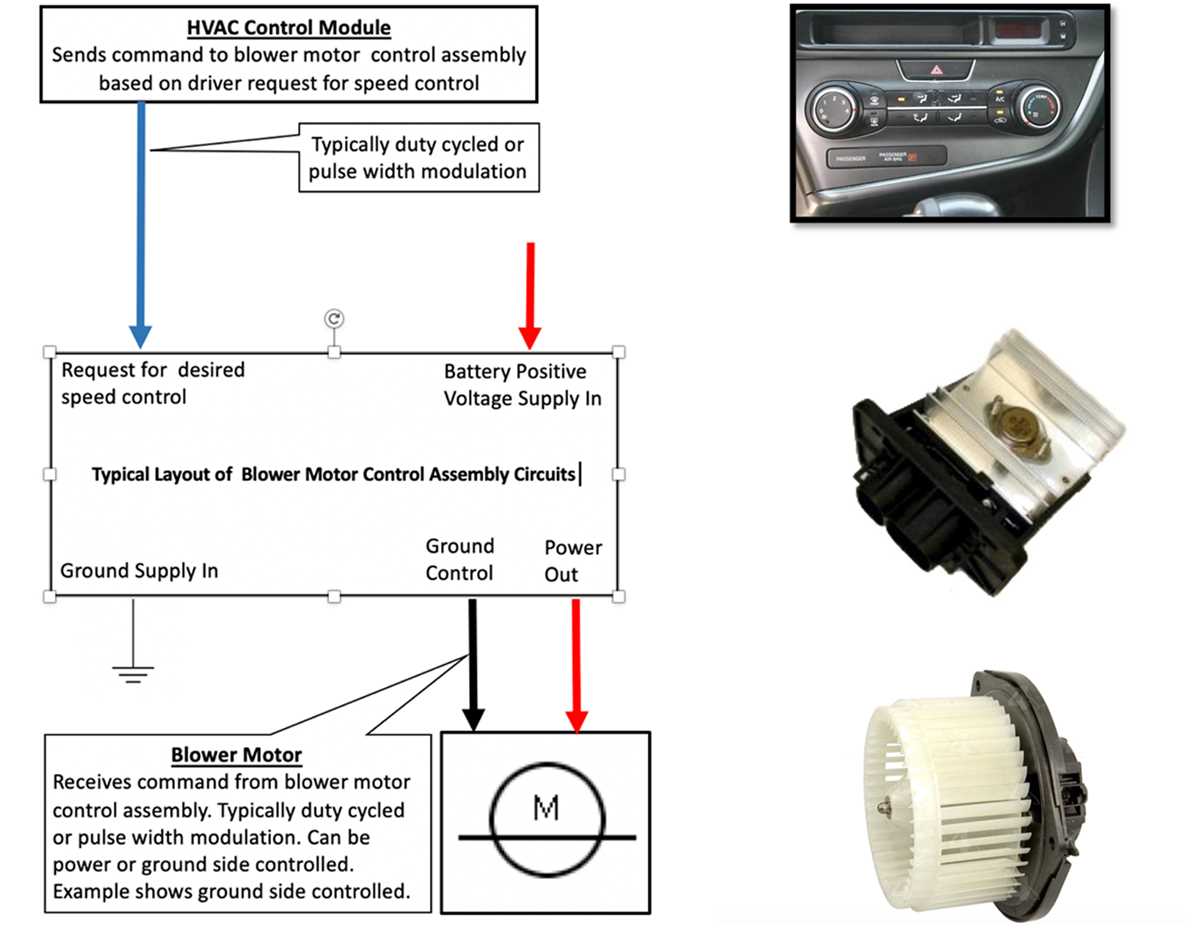
Check each terminal on the module before making any connections. Use a digital multimeter to measure voltage and confirm continuity. Accurate identification prevents shorts and improper operation.
Standard Terminal Functions
- Power input – connects to the vehicle’s 12 V supply
- Ground – attaches to chassis or designated grounding point
- Speed control signal – regulates fan speed via control unit
- Activation output – triggers the fan or HVAC system
- Auxiliary output – powers additional accessories or circuits
- Feedback line – provides system status to the control board
Label each conductor clearly using tags or color-coded heat shrink. This ensures proper installation and simplifies future maintenance.
Test each path by applying a low current to verify signal transmission. Check for voltage drop at the load end; any drop over 0.5 V indicates a loose connection or undersized conductor.
Verification and Safety
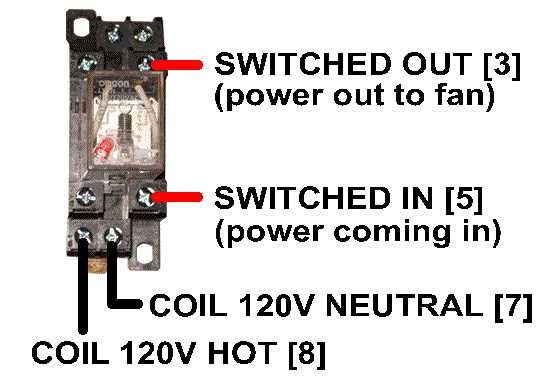
After all terminals are connected, energize the system briefly and monitor each function. Document readings and check for abnormal behavior such as delayed response or intermittent activation to prevent system failure.
Secure all leads with clamps or cable ties to prevent movement and abrasion. Inspect for any exposed strands or sharp bends. Regular inspection maintains reliability and extends component lifespan.