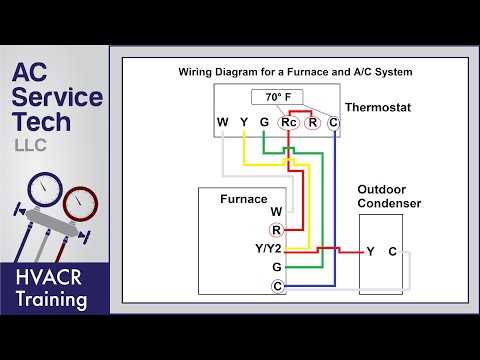
Verify the voltage rating of all control modules before linking any conductors. Using components rated below the system’s operational load can cause rapid degradation or trigger protective shutdowns. For single-phase units, ensure terminals are labeled correctly to avoid cross-phase errors that lead to motor burnout.
Label each conductor with both origin and destination points. This practice minimizes troubleshooting time when tracing signals through compressors, fans, and thermostatic controls. Use heat-resistant tags for segments exposed to high temperatures near condensers or heaters.
Check grounding paths for each module. Metal enclosures must connect to a dedicated ground bus to prevent voltage fluctuations from affecting sensors or relays. Avoid using neutral lines as a substitute; this can introduce noise and intermittent faults.
Include protective devices such as fuses or miniature circuit breakers inline with high-load circuits. Position these near the source to isolate faults rapidly. Confirm that relay coils receive rated control voltage, since overvoltage can prematurely weld contacts, while undervoltage may prevent full actuation.
Document all connection routes using clear line illustrations showing each terminal, switch, and actuator. Include amperage and voltage specifications next to each link to guide future modifications and maintenance. Consistent documentation reduces the risk of miswiring during repairs or component replacements.
Control Circuit Layouts for Climate Management Systems
Confirm relay coil ratings before connecting to control panels. Mismatched voltages can cause premature failure or erratic switching of compressors and blower motors. Always cross-check the manufacturer’s label against the applied source.
Route signal paths away from high-current conductors. Magnetic interference from large motors can induce false signals in thermostat loops, causing intermittent operation or nuisance tripping of protective devices.
Use color-coded conductors for distinct functions: red for live feeds, blue for neutral returns, yellow or green for protective grounding, and white for control signals. Consistent coding reduces human error during inspection or maintenance.
Install terminal blocks near each module to centralize connections. This facilitates quick swapping of components such as capacitors, transformers, or contactors without disturbing other circuits.
Document breaker positions and fuse values alongside each circuit illustration. Include amperage limits, trip curves, and thermal ratings. Technicians referencing these notes avoid overloading panels and minimize downtime.
Verify motor start capacitors are correctly sized for the connected phase and line voltage. Over- or under-sizing can reduce operational efficiency and shorten lifespan of compressor or fan motors.
Check sensor integration with control boards before energizing. Improper sequencing of pressure, temperature, or humidity sensors can lead to delayed response or system lockouts.
Label all branch points and junctions with heat-resistant tags. Include destination and load values for each conductor to prevent misrouting during replacements or upgrades, especially in multi-zone configurations.
Identifying Components and Terminal Functions
Label each device with its function and voltage rating before connecting to the control panel. Motors, contactors, and relays should have clear identifiers showing phase connections and control input to prevent misplacement during installation or maintenance.
Trace signal terminals using multimeter continuity checks to verify correct routing between sensors, switches, and actuators. Pressure transducers and temperature probes often share similar connectors, so cross-referencing with manufacturer charts reduces risk of reversed inputs that can lock out compressors or fans.
Group terminals logically by function: input commands, output loads, and protective circuits. Include ratings for amperage, voltage, and switching type next to each terminal. This practice simplifies troubleshooting, ensures load compatibility, and prevents damage from short circuits or overcurrent events.