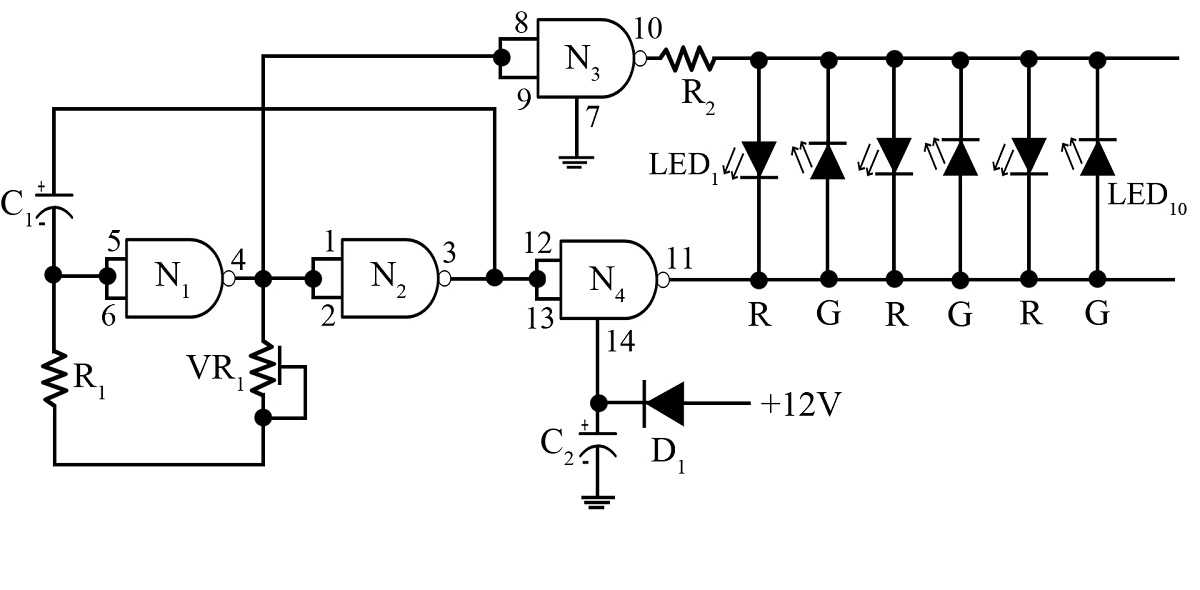
Turn off all power before starting connections to avoid electric shocks. Identify each module including transformers, resistors, and colored bulbs or LEDs and match them with the labels or color codes provided.
Follow the correct sequence when connecting components. Begin with the power supply, attach resistors to control voltage, and then link the lighting elements to the control terminals. Incorrect order can cause flickering or prevent activation.
Use insulated wires rated for the system voltage and secure connections with clips or solder joints. Loose contacts can create sparks, reduce the lifespan of the components, or damage the power supply unit.
Test each connection with a multimeter before full operation. Measure voltage at key points and document the layout with sketches or photos to simplify future maintenance or troubleshooting tasks.
Assembly and Connection of Party Illumination Systems
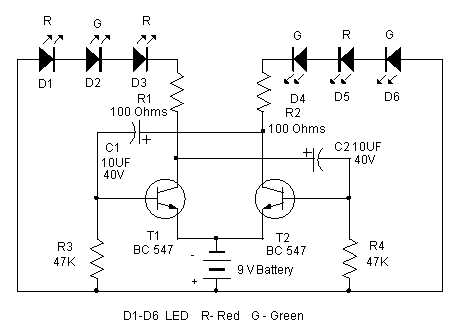
Switch off all power before starting the setup to prevent electrical shocks. Identify all modules, including power transformers, resistors, LEDs, and colored bulbs, and match them with labels or color codes supplied by the manufacturer.
Arrange components in the proper sequence. Connect the power supply first, then attach resistors to control voltage levels, and finally link the bulbs or LEDs to the control terminals. Misplacing elements can cause flickering or prevent activation.
Secure each lead with insulated connectors, terminal clips, or soldered joints. Loose contacts may generate sparks, damage the transformer, or shorten the lifespan of the lighting elements.
Test continuity and voltage at each connection point using a multimeter before applying full power. Verify that voltage readings match the specifications for each module to avoid overloading components.
Use a clear layout strategy by labeling wires and grouping connections logically. Maintain consistent color coding for positive, negative, and control lines to reduce the risk of incorrect hookups.
- Resistors – control current to each bulb or LED to prevent burnout.
- Transformers – adjust voltage for safe operation of low-voltage modules.
- Switches or fuses – provide control and protection; confirm ratings match system requirements.
- Indicators – optional elements that show active zones or signal faults.
Document the final layout with sketches or photos. This helps during maintenance, upgrades, or troubleshooting and ensures connections can be replicated accurately in the future.
Perform a full system test after assembly. Cycle through all modes, check for uniform illumination, and inspect for overheating or irregular operation before using the setup for extended periods.
Identifying Components and Their Terminals
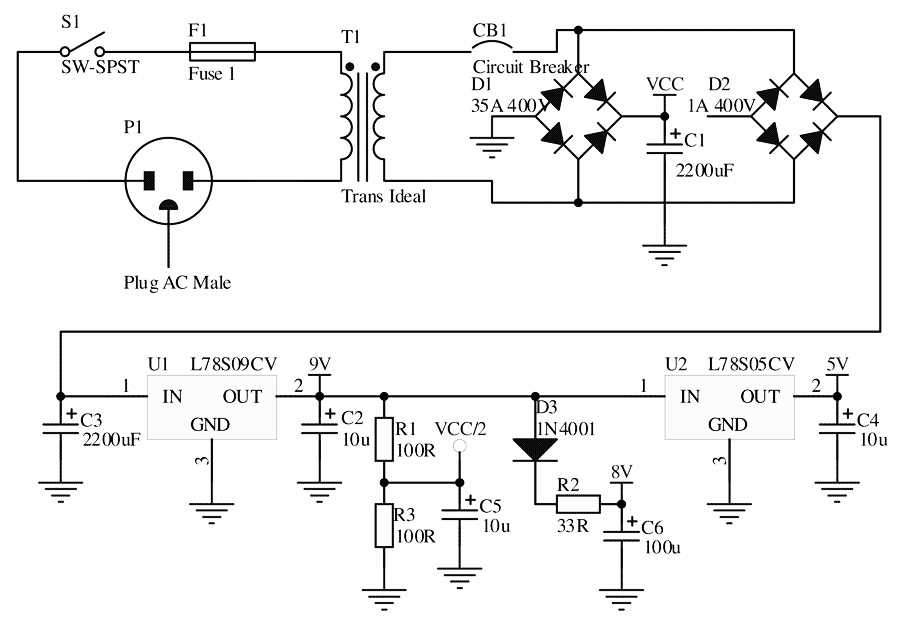
Power down the system before inspecting modules to avoid shocks. Examine each element for labels, color codes, or printed markings indicating voltage rating and connection points.
Start with transformers and verify input and output terminals. Use a multimeter to confirm resistance and continuity before linking them to the control elements.
Check resistors, LEDs, and bulbs individually. Red leads usually indicate positive power, black or blue for negative or common, and yellow or white for control connections. Confirm that each element matches the intended terminal to prevent misoperation.
Document all connections using sketches or photos. Marking each terminal and wire ensures easier maintenance, simplifies troubleshooting, and prevents accidental misplacement during assembly or future modifications.