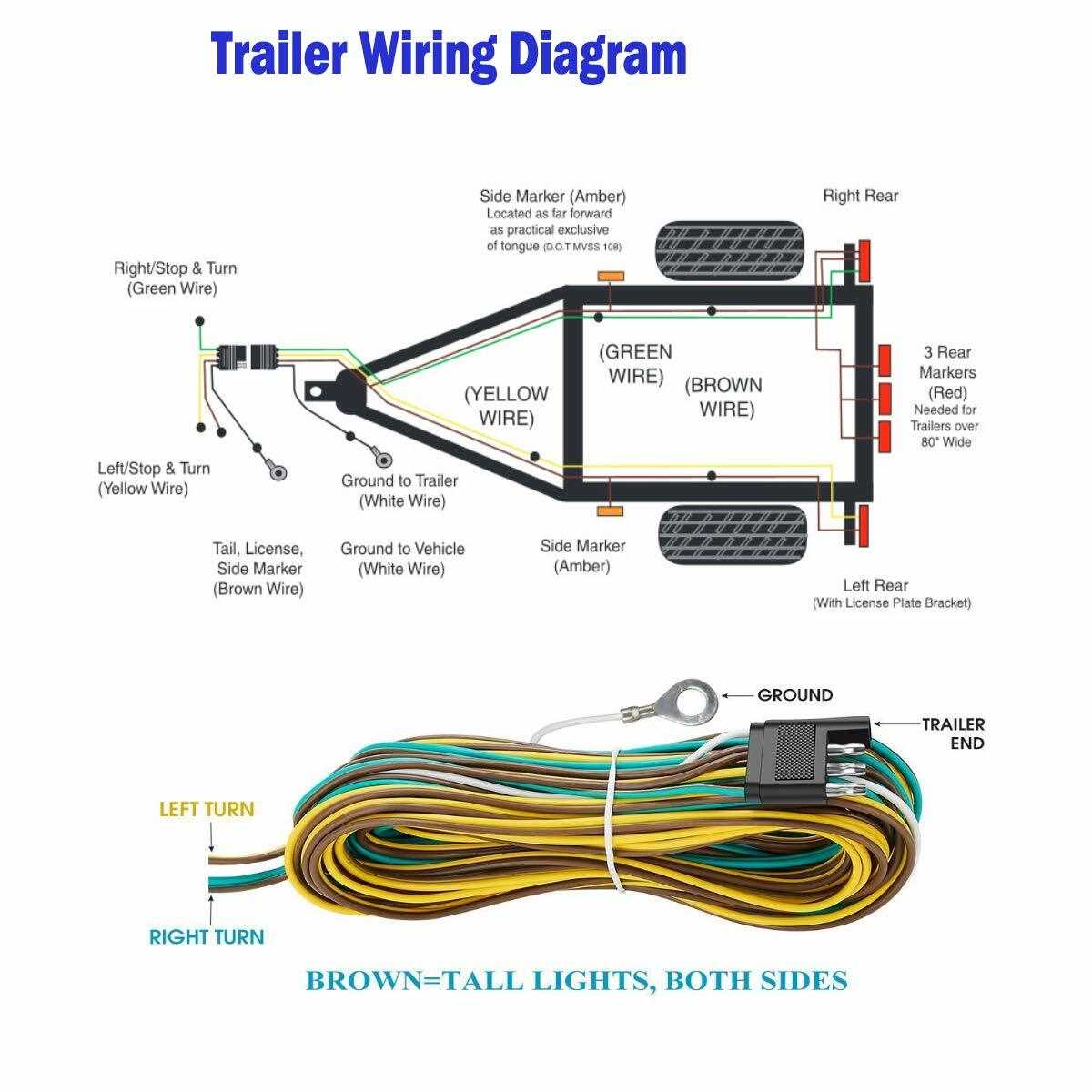
To correctly connect a towing system to your vehicle, begin by identifying the four main connections: ground, left turn signal, right turn signal, and tail lights. Each of these connections plays a critical role in ensuring your lights and indicators work properly during towing.
The ground connection is essential for the proper functioning of all other connections. Make sure it is securely attached to a clean, unpainted surface on the vehicle to avoid signal issues or electrical faults. Without a solid ground, your lighting system could experience malfunctions.
Next, focus on the left and right turn signal connections. These wires typically need to be attached to the corresponding signal lines on your vehicle’s electrical system. Double-check that the colors match standard wiring codes to avoid any confusion during installation.
Lastly, the tail light connection powers the rear lights of the attached unit, ensuring visibility at night. This connection is crucial for safety and compliance with road regulations. It should be properly secured and checked for continuity to ensure reliable operation while driving.
Properly Connecting the 4 Pin Plug for Towing
Begin by ensuring the power lines from the vehicle are securely connected to the correct pins on the connector. The first pin should be used for the ground connection, which is critical to complete the circuit. Connect it to a clean, metal surface on the vehicle, free of rust and paint, to guarantee good conductivity. The next two pins handle the left and right turn signals, which should be linked to the corresponding lights on the vehicle. Ensure the color coding of the wires matches standard practices for a straightforward connection.
Finally, the last pin controls the rear lights and should be wired to the appropriate system on the vehicle. This connection powers the tail lights, ensuring the safety of your setup while on the road. Test each wire connection after installation with a multimeter to verify proper function and avoid potential issues on your journey. A good test will help ensure the lighting works properly for both short and long distances.
How to Connect the 4 Pin Plug to Your Vehicle
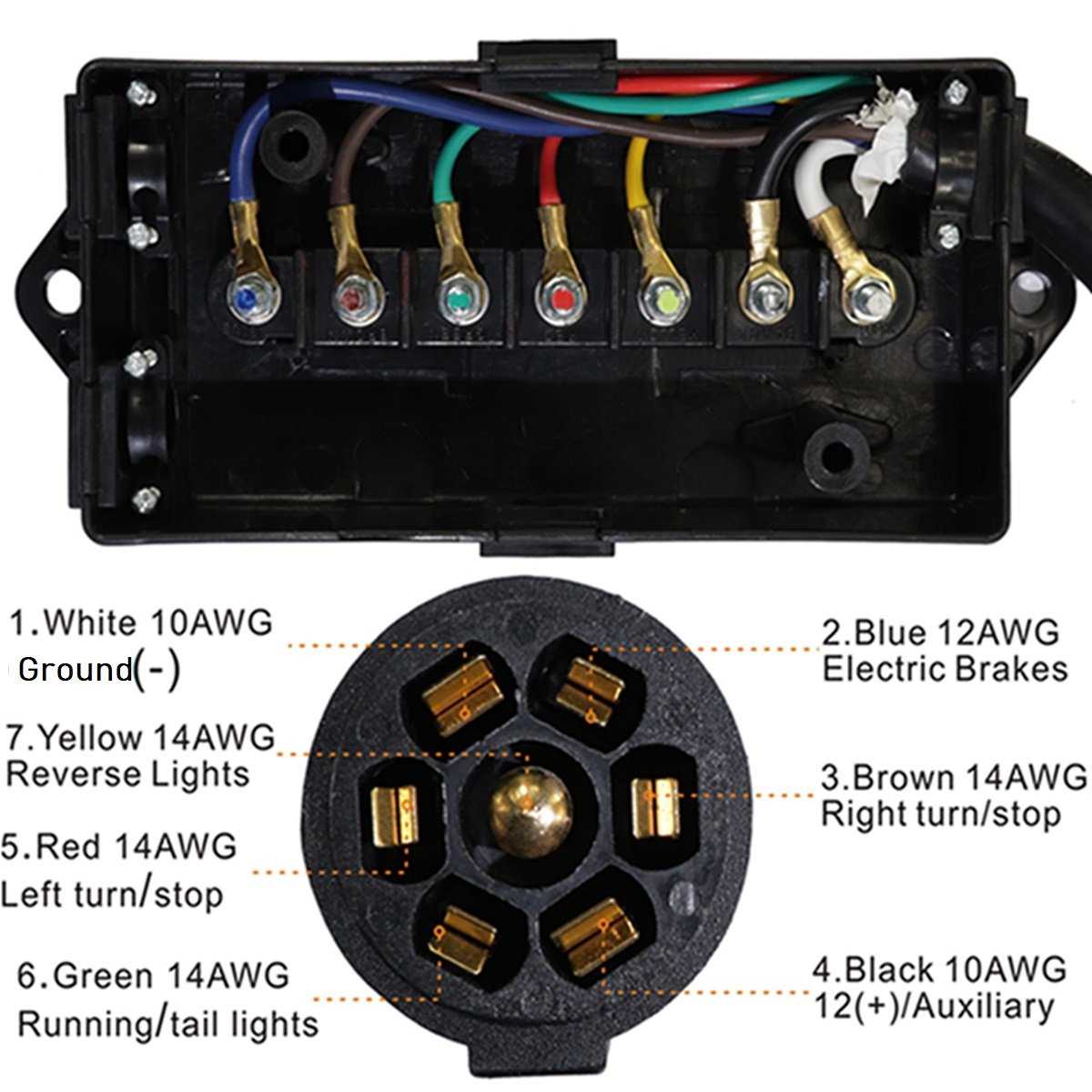
Start by preparing the wiring on your vehicle. Strip a small section of insulation from each wire to expose the metal beneath. Ensure each wire is cut to the correct length for an easy reach to the connector. It’s best to use heat shrink tubing or electrical tape to secure and insulate each wire, preventing any accidental shorts.
Next, identify the proper connections for each pin. The ground wire should be attached to the first pin and connected to a clean, unpainted metal surface on your vehicle’s frame. The remaining wires need to be connected according to their specific function–left turn signal, right turn signal, and tail lights–ensuring that the wire colors match their designated pins on the connector.
Securing the Connections and Testing
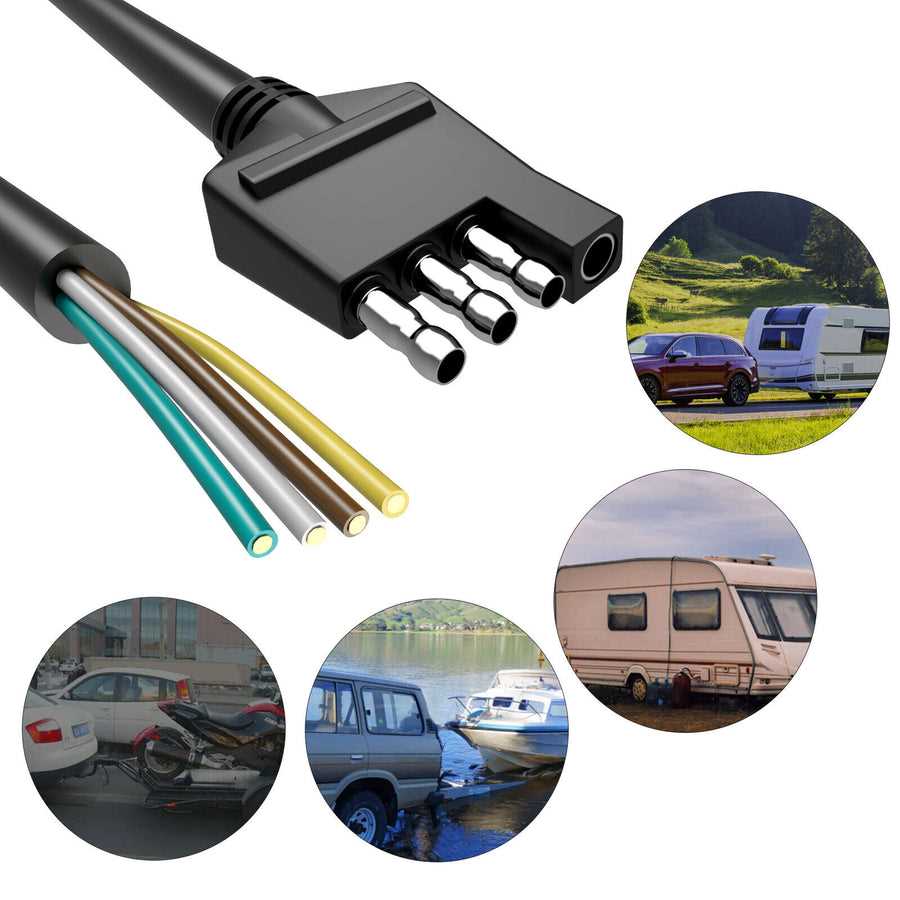
Once all the wires are securely connected to their respective pins, double-check the tightness of the screws or connectors on the plug. Loose connections can cause intermittent issues, such as flickering lights or unresponsive signals. Tighten all connections using the appropriate tools to ensure a solid grip without over-tightening, which could damage the wires.
After the connections are complete, perform a quick test using a multimeter or by connecting the plug to your towing setup. Check each light and signal to confirm they work properly. If something isn’t functioning correctly, retrace your connections to ensure they match the standard wiring guide and test again. This final step helps guarantee safe operation while towing.