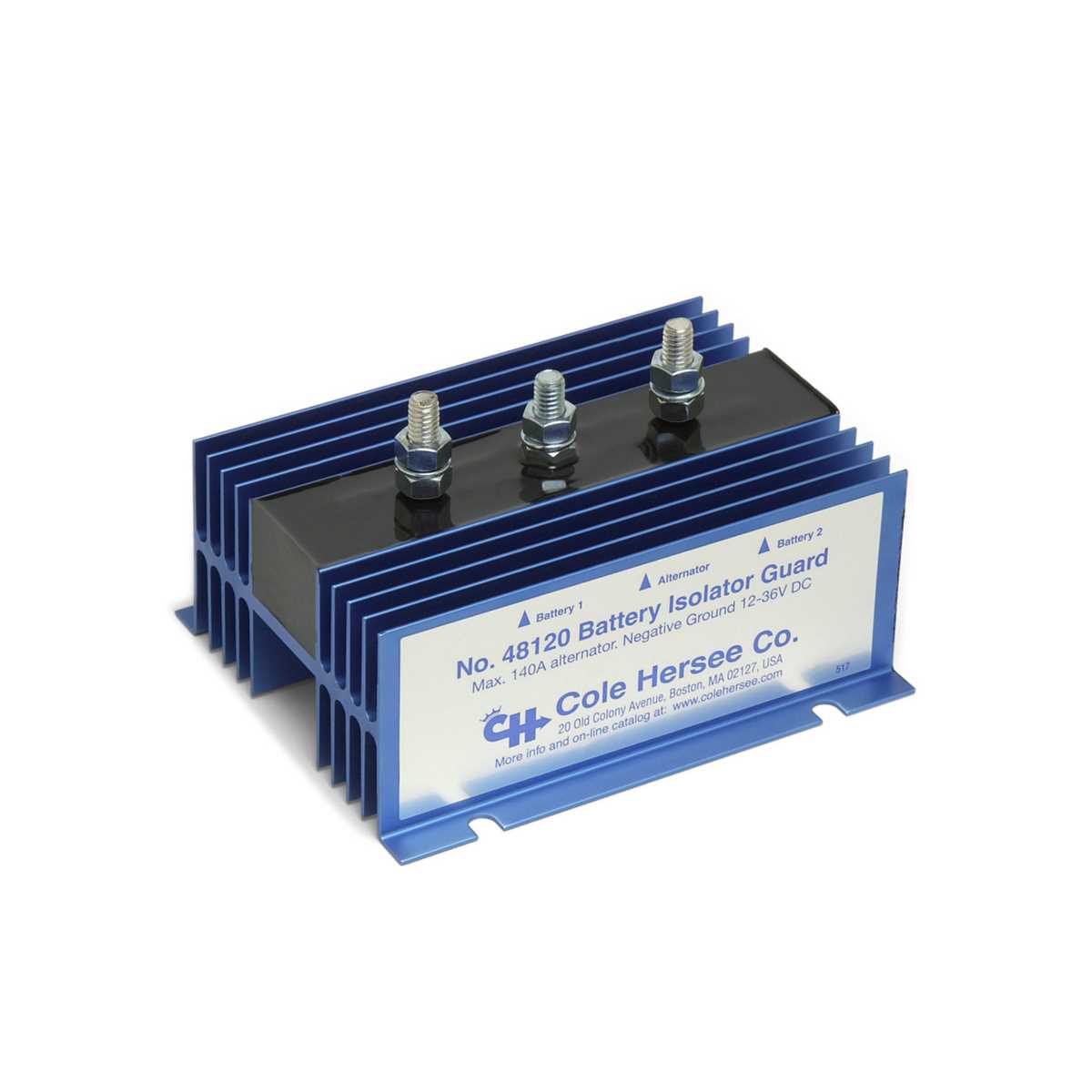
Ensure correct identification of positive and negative terminals before linking any units to prevent reverse current flow and potential component damage.
Use color-coded leads and secure connections with crimped terminals to maintain steady voltage across each power source without interference or energy loss.
Position the blocking module close to the battery banks to minimize voltage drop and enhance stability, particularly when managing multiple parallel sources in an automotive or solar setup.
Check continuity and voltage direction using a multimeter after each connection to verify that current flows properly and that no short circuits are present before final installation.
Diode Isolator Connection Guide
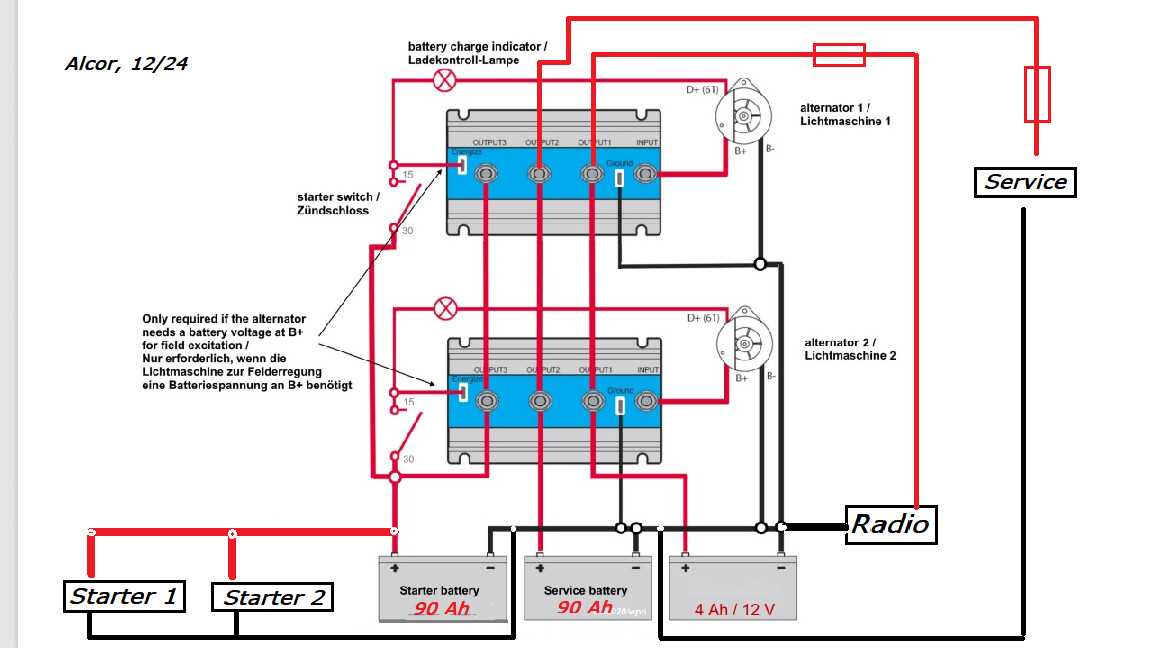
Always start by identifying the positive and negative terminals of each battery or source. Connect each positive lead to the corresponding input terminal on the blocking module, ensuring tight and clean connections to prevent voltage drop.
Secure the negative terminals to a common ground point to maintain stable reference voltage across all connected units. Avoid looping multiple ground wires directly between batteries, as this can create unwanted resistance and potential interference.
Position the isolation module near the power sources to reduce lead length and minimize energy loss. Use adequately rated fuse holders inline with each positive lead to protect against short circuits or overcurrent situations.
Testing Connections
Verify voltage at each output terminal before energizing connected loads. Use a digital multimeter to ensure current flows in the intended direction and that no reverse polarity exists, which can damage the blocking elements.
After confirming polarity and voltage consistency, attach the load circuits gradually, checking each connection point for heat buildup or loose fittings. Tighten all terminals and recheck continuity across the module after securing connections.
Perform a final functional test under normal operating conditions. Observe the isolation behavior between sources, ensuring each battery or supply feeds the load without backfeeding into other connected units. Address any irregularities immediately to maintain safe operation.
Identifying Positive and Negative Leads for Accurate Setup
Label each conductor clearly before connection to prevent accidental reversal. Use colored sleeves or permanent markers, designating red for positive and black for negative, ensuring visibility at all terminal points.
Measure voltage across each source using a multimeter to confirm polarity before attaching to the module. Verify that the positive probe reads a higher potential than the negative to avoid damaging the blocking units.
Trace each lead from the source to the input terminals and check for any shared connections or splices. Isolated leads reduce the risk of backflow currents and maintain consistent voltage delivery across multiple loads.
Maintain separation between positive and negative runs to prevent accidental contact. Keep leads neatly routed along insulated channels or clips to minimize stress and potential short circuits during setup.
Recheck all connections after initial setup. Ensure that each lead is firmly secured in its terminal and that polarity matches the intended configuration. Conduct a brief current test under low load before applying full operational voltage to validate accurate setup.