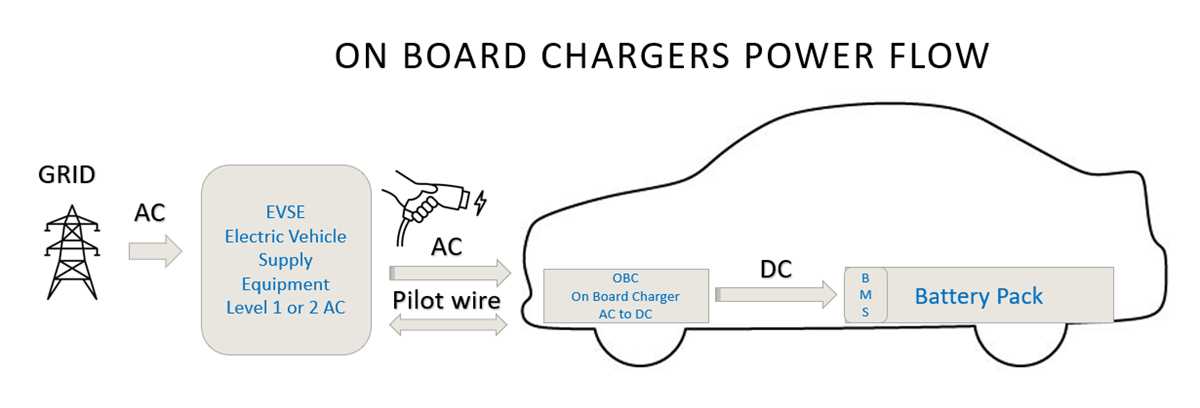
Start by verifying the correct connection of the power input to the system. Ensure that the positive and negative cables are securely connected to avoid any power interruptions. Double-check the voltage specifications to match the system’s requirements and ensure proper operation.
For a safe installation, route the cables away from any moving components. Use cable ties or protective sheaths to secure them in place, avoiding any contact with sharp edges or parts that could cause wear over time. Regularly inspect the cables for any signs of damage or fraying.
Check all fuse connections as they play a crucial role in protecting the electrical system. If a fuse blows, replace it with one that has the same amperage rating. A malfunctioning fuse can prevent the system from functioning properly, so ensure it’s in good condition at all times.
Finally, test the entire system once installed. Run the equipment through all its functions and monitor the voltage output. If any inconsistencies are found, retrace the connections and check each component to ensure everything is working as intended.
In-Vehicle Charging System Setup
Begin by connecting the power source to the system. Ensure the positive terminal is securely attached to the appropriate input. Use high-quality connectors to prevent loose connections and ensure a stable current flow. Check that the power input matches the specifications required by the system to avoid overloading the components.
Next, carefully route the connecting wires away from any moving parts. This helps to prevent wear and tear, especially in areas with friction. Secure the cables with zip ties or clips to maintain a neat and organized setup. Inspect the wiring regularly for signs of damage or wear to avoid future operational issues.
How to Connect the Power Supply to the Charger Unit
First, locate the input terminals on the charging system. The positive terminal should be connected to the positive wire from the power supply, while the negative terminal connects to the negative wire. Ensure both terminals are tightly secured to prevent any loose connections that could cause power failure or damage.
Use appropriate connectors to link the power supply to the system. For a secure connection, use ring terminals or quick-connect terminals, depending on your setup. Avoid using bare wires, as they can lead to short circuits or corrosion over time.
Ensure the power source is turned off before making any connections. Once all connections are secure, check the voltage levels to make sure they match the required input for the system. If necessary, use a multimeter to verify the current is being properly delivered.
Finally, route the cables carefully, keeping them away from any moving or heated parts. Use cable ties to organize the wiring and reduce the risk of wear. Regularly inspect the connections to ensure they remain tight and free from corrosion, as any issues can lead to malfunctions or inefficiency.