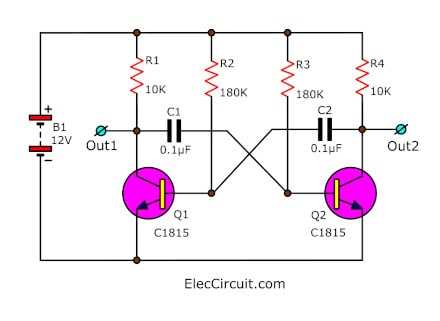
Connect the alternator output directly to the main control board using appropriately rated conductors to ensure consistent power flow and avoid voltage drops under load conditions.
Install a surge protector and fuses at key junctions to safeguard sensitive electronics and prevent component damage from transient spikes.
Ensure all ground connections are secure and free from corrosion as poor grounding can cause erratic performance and reduce overall system efficiency.
Label each terminal and path clearly to simplify future maintenance and reduce the risk of incorrect connections when adding auxiliary devices or troubleshooting faults.
Inverter Generator Circuit Layout and Component Guide
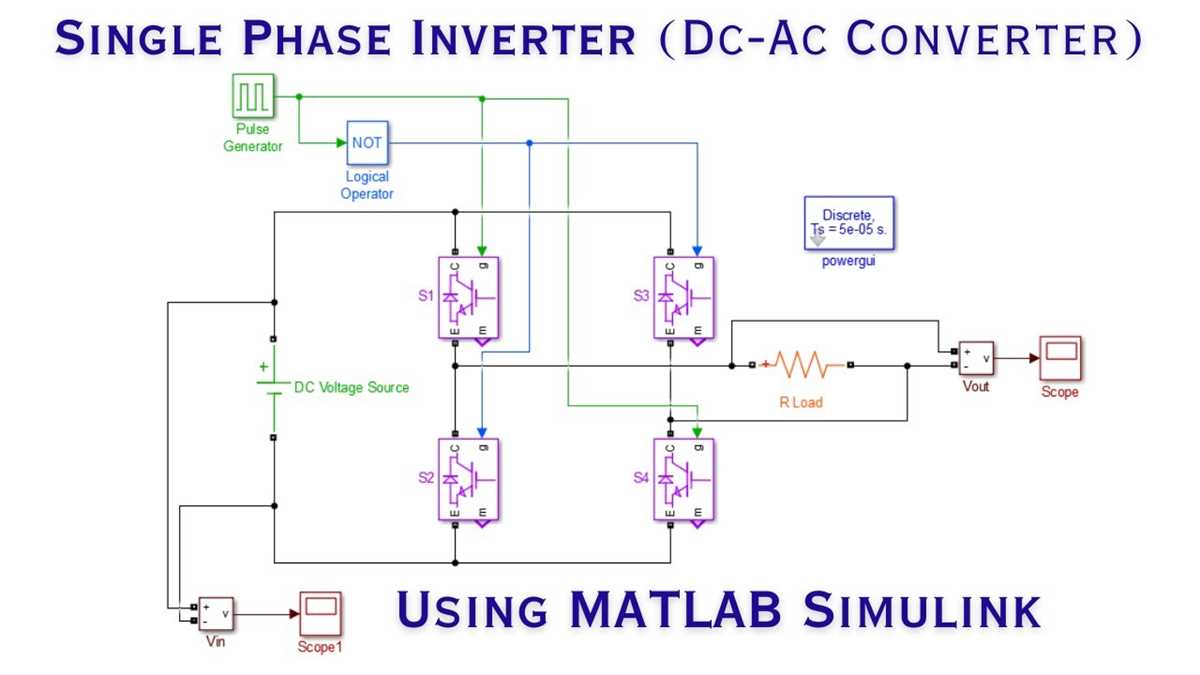
Connect the main power source to the control board using conductors rated for at least 15% above maximum load to prevent overheating and voltage drop under high demand. Use copper terminals and secure all connections with locking nuts to maintain stability during operation.
Install fuses or circuit breakers at each major branch to isolate faults quickly. Place a 20-amp fuse on the primary supply line and 10-amp fuses on auxiliary outputs to protect sensitive electronics and reduce the risk of fire.
Position the voltage regulation module close to the alternator output and ground it to the chassis. This ensures consistent voltage delivery to the inverter section and reduces ripple that can damage sensitive devices.
Component Placement and Routing
- Keep high-current paths short and thick to minimize resistance and heat generation.
- Separate control and power lines to avoid electromagnetic interference affecting digital readouts.
- Secure connectors with clamps to prevent vibration-induced loosening.
Maintenance and Troubleshooting Tips
- Label each wire and terminal clearly for easier identification during maintenance.
- Check all grounding points monthly to prevent voltage fluctuations.
- Inspect fuses and connectors for signs of corrosion or wear, replacing them immediately to maintain system reliability.
Identifying Key Components and Their Connections
Begin with the main control module and verify all primary conductors are securely attached to the input terminals. Tight connections reduce voltage drop and prevent overheating under peak load.
Locate the alternator output points and ensure they feed directly into the voltage stabilization unit without intermediary splices. Direct routing preserves current integrity and avoids interference.
Inspect the rectification bridge for correct polarity and secure mounting. Misaligned or loose diodes can cause voltage spikes that damage downstream electronics.
Connection Strategies for Reliability
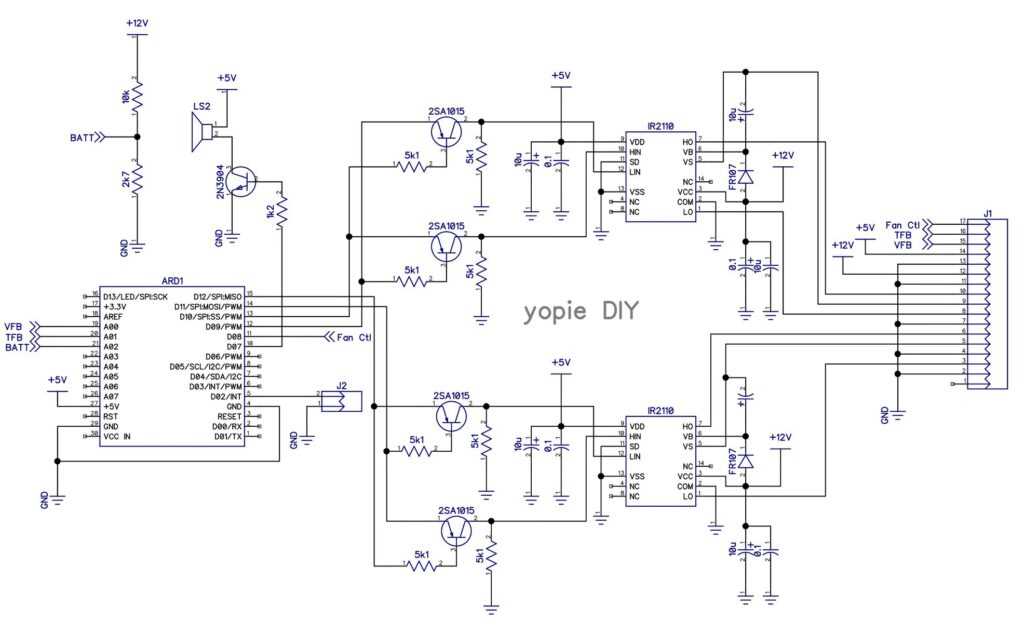
- Group related connectors together and use color-coded insulation for immediate identification.
- Route high-current paths away from low-voltage control lines to prevent signal distortion.
- Apply dielectric grease on exposed terminals to resist corrosion in humid or marine environments.
Check auxiliary protection fuses or breakers for proper rating. Replace any that show discoloration or wear to maintain system safety and prevent cascading failures.
Confirm grounding connections at both chassis and module points. Loose or oxidized grounds can lead to erratic voltage fluctuations and inverter instability.
Periodic Inspection and Adjustment
- Inspect connectors monthly for vibration-induced loosening.
- Verify all terminal screws are torqued to manufacturer specifications to maintain optimal conductivity.
- Test continuity from each output to its corresponding load to detect hidden faults before they escalate.