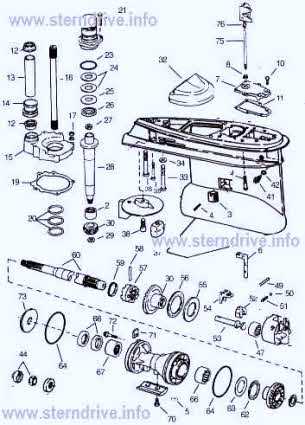
Regularly inspect the motor and drive components to ensure that all connections are secure and functioning properly. Pay close attention to the alignment of key elements such as the drive belt, cables, and pulleys. These should be free of wear, cracks, or rust, as damaged components can cause serious performance issues.
Lubrication plays a significant role in preventing unnecessary friction and wear. Ensure that all moving parts, including hinges, bearings, and connectors, are properly lubricated. Regular maintenance of the electrical system, including the battery and wiring, is crucial to prevent malfunctions. If any components show signs of corrosion or disconnection, address these immediately.
Keep track of wear and tear on the hull, propeller, and steering system, as they are subjected to intense forces on the water. Monitor the condition of seals, bolts, and joints, replacing them as necessary to maintain safe operation. If you notice any loss in speed or control, inspect these systems carefully to identify the cause of the issue.
Lastly, maintaining a thorough understanding of how each section works together can help you spot potential problems before they become major issues. Having a clear map of your boat’s setup, including all its integral components, will make the maintenance process smoother and more efficient.
Boat System Breakdown and Care Instructions
Ensure that the motor components are checked regularly for any signs of wear. Inspect the ignition system, including the spark plugs and wires, for corrosion or damage. Replace spark plugs as recommended by the manufacturer to maintain smooth engine performance.
Keep the fuel system clean and free of debris. Regularly replace fuel filters to avoid clogging and ensure that fuel is flowing properly. Inspect the fuel lines for cracks or leaks, as these can cause serious safety hazards.
The steering and control systems require frequent maintenance. Lubricate all moving parts, including the throttle, cables, and steering mechanisms, to reduce friction. Tighten any loose bolts and check the alignment of the rudder to maintain precise handling on the water.
Inspect the hull regularly for signs of damage, such as cracks or chips, that can affect the boat’s performance and safety. Clean the hull thoroughly to remove any build-up of algae or marine growth, which can impede movement and cause drag. Regularly check and replace the seals around the hull to prevent leaks.
Pay attention to the battery and electrical systems. Clean the terminals to avoid corrosion, and test the voltage to ensure that the electrical components are working properly. A weak or dead battery can lead to unexpected failures, so replace it when necessary.
Identifying and Replacing Common Boat Components
Start by inspecting the engine components. If the engine fails to start or runs roughly, check the spark plugs for wear or corrosion. Replace them regularly to maintain efficient combustion and prevent misfires.
The propeller is a common area for damage, especially if it hits debris or rocks. Examine the blades for cracks, bends, or chips. If damaged, remove the propeller using a wrench and replace it with the correct model for your boat’s motor specifications.
Next, check the fuel system for clogs or leaks. Inspect fuel lines for cracks, particularly near the fuel tank and engine connections. If you find leaks, replace the fuel hoses immediately to avoid fire hazards and ensure proper fuel flow.
The battery often requires attention, especially if the boat fails to start. Clean the terminals to remove corrosion, and test the battery voltage. If the voltage is low, replace the battery with one that fits your system’s requirements.
The steering mechanism, if stiff or unresponsive, may need lubrication. Apply marine grease to the steering cables and check for any worn or damaged components. Replace any frayed cables to restore smooth control over the boat.
Inspect the bilge pump regularly for proper functioning. If the pump fails to activate or has a weak flow, clean out any debris and check the wiring. If the pump still doesn’t work, replace it to ensure water is efficiently removed from the boat’s hull.
Step-by-Step Process for Maintaining Your Boat Components
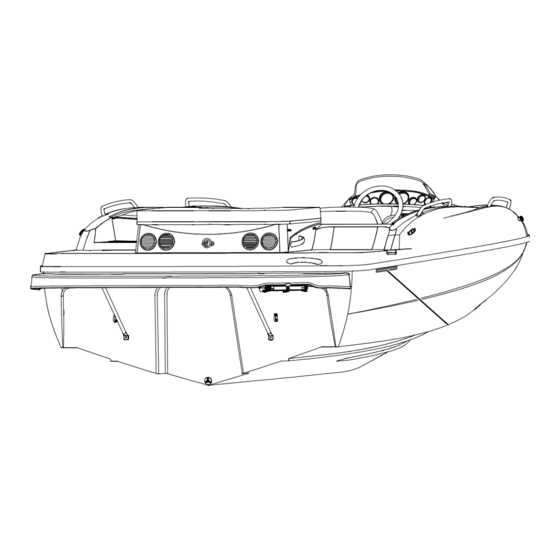
Begin with the engine. Ensure the engine is off and cooled before performing any maintenance. Check the oil level and replace it if necessary. Also, replace the oil filter during every routine service to prevent engine wear.
Inspect the cooling system. Ensure the water pump is free from debris, and check the hoses for cracks or leaks. Replace any worn-out hoses and verify the pump is working by running the engine briefly to check for water discharge.
Next, examine the fuel system. Inspect the fuel lines for leaks and the fuel filter for blockages. Replace the filter if it’s clogged, and check the fuel tank for any signs of rust or corrosion. Clean the tank if necessary to maintain fuel flow.
Clean the propeller and shaft. Remove any debris or weeds from the propeller, as well as any corrosion on the shaft. Grease the propeller shaft to ensure smooth operation. If the propeller is damaged, replace it promptly to maintain optimal performance.
Maintain the electrical system. Inspect the battery terminals for corrosion and clean them if necessary. Test the battery voltage with a multimeter, and replace it if the charge is too low. Check all electrical connections for wear or loose wires.
Examine the steering system. Lubricate the steering cables with marine grease to keep them running smoothly. If you notice any stiffness or difficulty in turning, check the cables for fraying or damage and replace them if needed.
Inspect the bilge pump. Ensure the bilge pump is clear of debris and test it by activating the switch. If the pump doesn’t work properly, clean it and check the wiring. Replace the pump if it fails to operate correctly.
Finish by inspecting the hull and the deck. Clean the surface regularly to prevent buildup that can lead to damage. Check for cracks or signs of wear, and repair any areas of concern to avoid further deterioration.