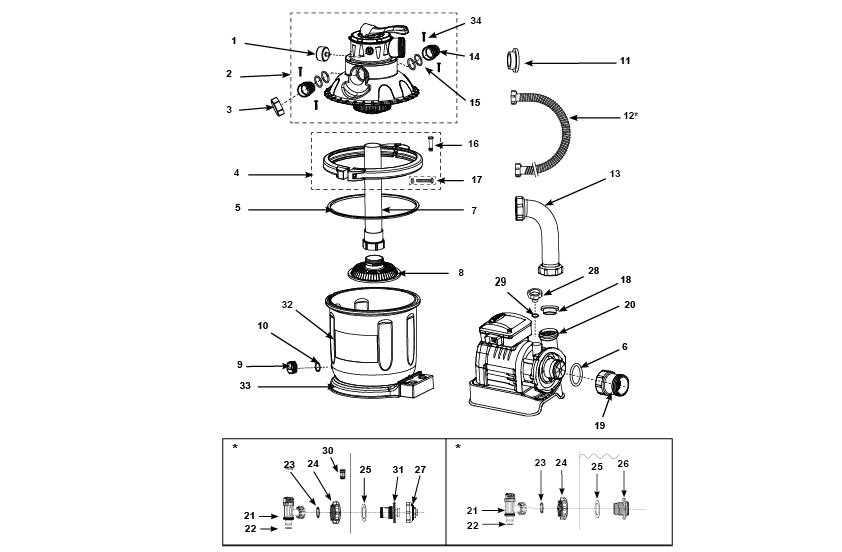
If you’re repairing or upgrading your filtration system, understanding the layout of the different elements is key. The individual units each play a vital role in keeping the water flow optimal and the system running smoothly. Being able to identify and replace damaged components quickly can save both time and money.
Key Elements within these setups include the motor assembly, the intake and outlet hoses, the filter cartridge, and the valves that control the water flow. Each part has its designated function, whether it’s for suction, filtration, or water discharge. Recognizing these pieces and knowing where they fit can significantly speed up maintenance tasks.
Not all components are identical across all models, so referring to a detailed diagram will ensure proper installation and troubleshooting. This visual guide can assist in identifying whether any parts are worn out or need replacing, and helps prevent misalignment during setup or repairs.
The motor housing and filter assembly are often the first places to check for issues, especially if the flow rate decreases or if the system is making unusual noises. Inspecting these parts regularly helps in extending the lifespan of the unit, reducing the likelihood of costly repairs down the line.
Component Breakdown for Efficient Maintenance
For smooth operation, the filter system must be properly maintained. The internal elements work together to ensure water circulation and cleanliness. A detailed understanding of each component can aid in troubleshooting and quick repairs.
- Motor Unit: The motor powers the entire circulation process. Inspect it regularly for signs of wear, overheating, or unusual noises. Keep the motor clean and ensure it is securely fastened in place.
- Impeller: This component is responsible for driving the flow of water. Ensure it is free of debris and rotates smoothly. Any obstruction could result in reduced water movement.
- Filter Cartridge: A key element in trapping dirt and contaminants. Regularly clean or replace it based on usage. A clogged or damaged cartridge will affect overall performance.
- Hoses and Tubing: These provide the pathway for water to flow. Inspect for cracks or leaks that could result in water loss or improper filtration. Replace damaged sections promptly.
- Check Valves: Vital for regulating the flow direction and preventing water from flowing backward. Ensure they are working properly to avoid water flow issues or potential flooding.
- Clamp and Seal: Used to keep parts tightly in place and prevent leaks. Over time, seals may wear out, causing water to escape. Replace worn-out seals for a proper seal and secure operation.
- Air Release Valve: This valve releases trapped air from the system, ensuring a smooth and uninterrupted flow. It should be checked for any blockages or malfunctioning during regular maintenance checks.
Refer to the manufacturer’s guide for specific details about each piece and how to service or replace them. Maintaining these components will ensure a more reliable and long-lasting filtration system.
Understanding the Main Components of a Bestway Pool Pump
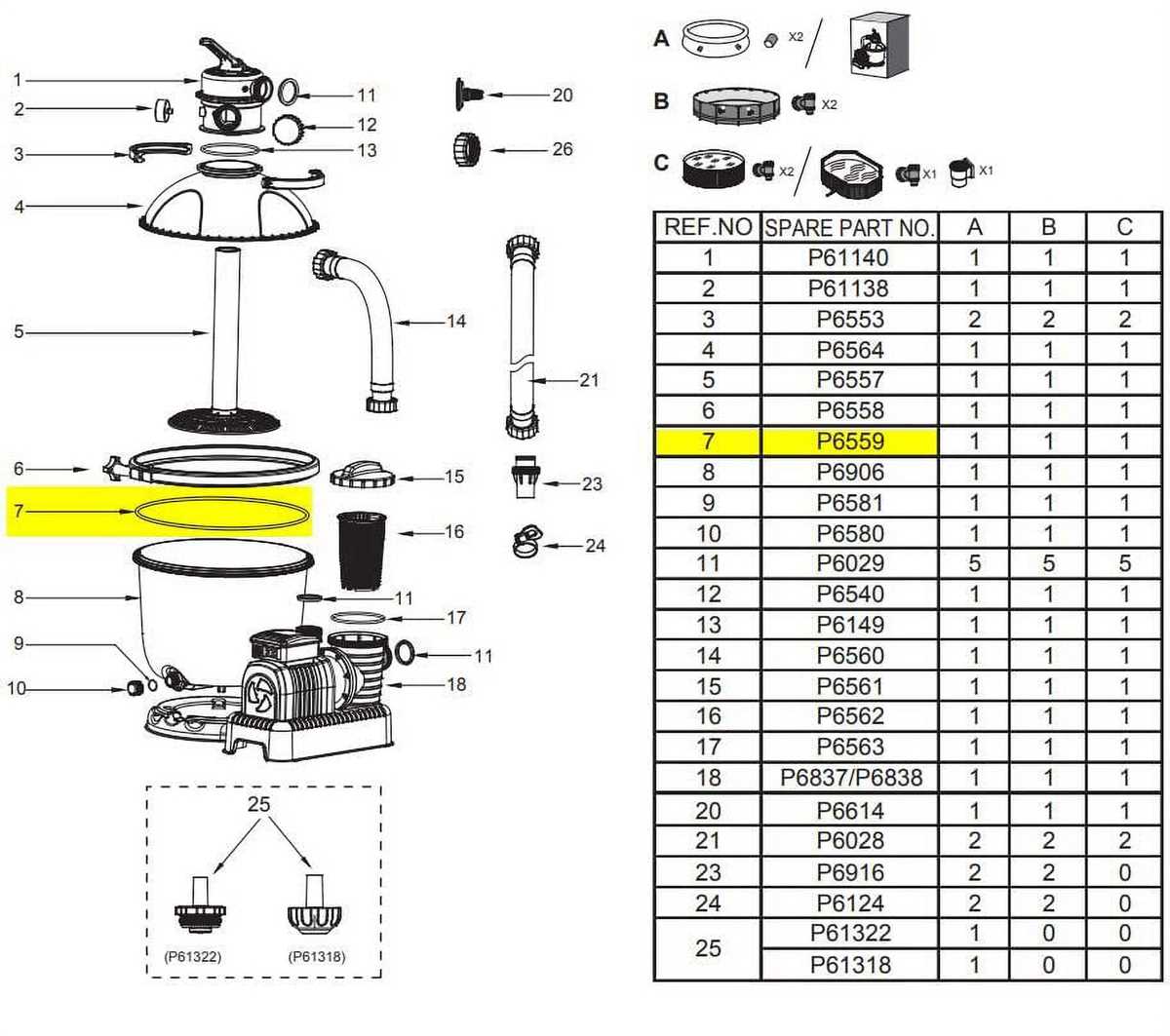
The motor is the heart of any circulation system. It powers the entire mechanism and determines the efficiency of water flow. A robust motor ensures consistent performance and longevity, while a weak one may lead to frequent breakdowns and inefficiency. Make sure the motor’s capacity matches the needs of your setup.
The filter is a key player in maintaining water clarity. It traps debris, leaves, and dirt, ensuring that only clean water circulates. Regular cleaning or replacement of the filter will keep the system working optimally. Depending on the model, filters may vary in type (e.g., cartridge or sand), so it’s essential to match the right filter type for your equipment.
The strainer basket is designed to catch larger debris before it reaches the filter. This prevents clogging and reduces strain on the filtration system. Empty the basket periodically to avoid blockages that could compromise water flow.
The impeller moves water through the system. It needs to be in good condition to avoid decreased flow rates. If you notice lower pressure, check the impeller for debris or wear. It’s often easy to clean but may need replacing if it’s cracked or damaged.
The hose connections are integral for secure water flow in and out of the system. Ensure that these connections are tight and free of cracks. Leaks around these areas can significantly reduce performance and increase energy consumption.
The pressure gauge allows you to monitor the system’s performance. If you notice a drop in pressure, it may indicate a clogged filter or an issue with the motor. Checking the gauge regularly will help you identify problems early and take corrective action before a failure occurs.
The valve controls water flow through various paths within the system. Keeping the valve clean and ensuring it operates smoothly will prevent unnecessary pressure buildup and enhance the system’s longevity.
The timer automates operation by regulating when the system turns on and off. This helps maintain a consistent flow schedule without constant monitoring. Make sure the timer is functioning properly to avoid overworking the system or running it too infrequently.
How to Identify and Replace Faulty Components in Your Water Filtration System
Check the motor’s performance first. If it produces unusual noises, vibrates excessively, or does not turn on, the motor windings or bearings may need replacement. Ensure the electrical connections are intact and free from corrosion before proceeding.
If water flow is insufficient, inspect the impeller for any blockages or wear. Clean out any debris or mineral buildup that might obstruct it. A cracked or damaged impeller requires immediate replacement to prevent further damage.
Examine the seals and gaskets for leaks. Worn-out seals lead to water leakage, reducing efficiency. If you find any cracks or wear, replacing them can restore the system’s functionality.
For clogging issues, check the filtration unit. Over time, debris can accumulate, causing blockages. Regularly cleaning or replacing the filter can resolve most filtration issues.
If the system shuts down unexpectedly, verify the pressure switch or sensor. Faulty sensors often cause premature shutoffs. Testing and replacing the switch may be necessary to restore consistent operation.
Inspect the hoses and connections for leaks or kinks that could reduce water flow. Replace any cracked or damaged hoses immediately to avoid further damage to other components.
Finally, check the power supply. A malfunctioning transformer or wiring issue can prevent the system from receiving adequate power. Test the transformer with a multimeter, and replace any faulty components to restore normal operation.
Step-by-Step Guide to Assembling a Pool Filtration System
Ensure you have all the components laid out before starting. Begin with the base frame and attach the motor to it using the provided screws. Align the connections properly to avoid misfitting parts later in the process.
Next, connect the intake hose to the designated inlet on the motor unit. Tighten the clamp to secure it in place, ensuring no gaps for air or water leaks. Use the corresponding fittings for the outflow section, making sure the flow direction aligns with the system’s design.
Install the filter unit next. Align the filter correctly with the intake and outlet ports, and fasten it using the necessary bolts. The filter should fit snugly without any significant space between the connections to prevent blockages or inefficiencies.
Check all hose connections to ensure they are firmly attached. If the hoses are flexible, make sure they are routed neatly, avoiding sharp bends or kinks that could restrict water flow.
Once everything is connected, inspect the assembly one last time before powering up. Confirm that all connections are secure and that no parts are loose. Testing the system before full use will help identify any potential issues early.
Finally, double-check that the power supply is properly connected, and switch on the system. Listen for any unusual noises or vibrations which might indicate a problem. If the system operates smoothly, your setup is complete and ready for use.