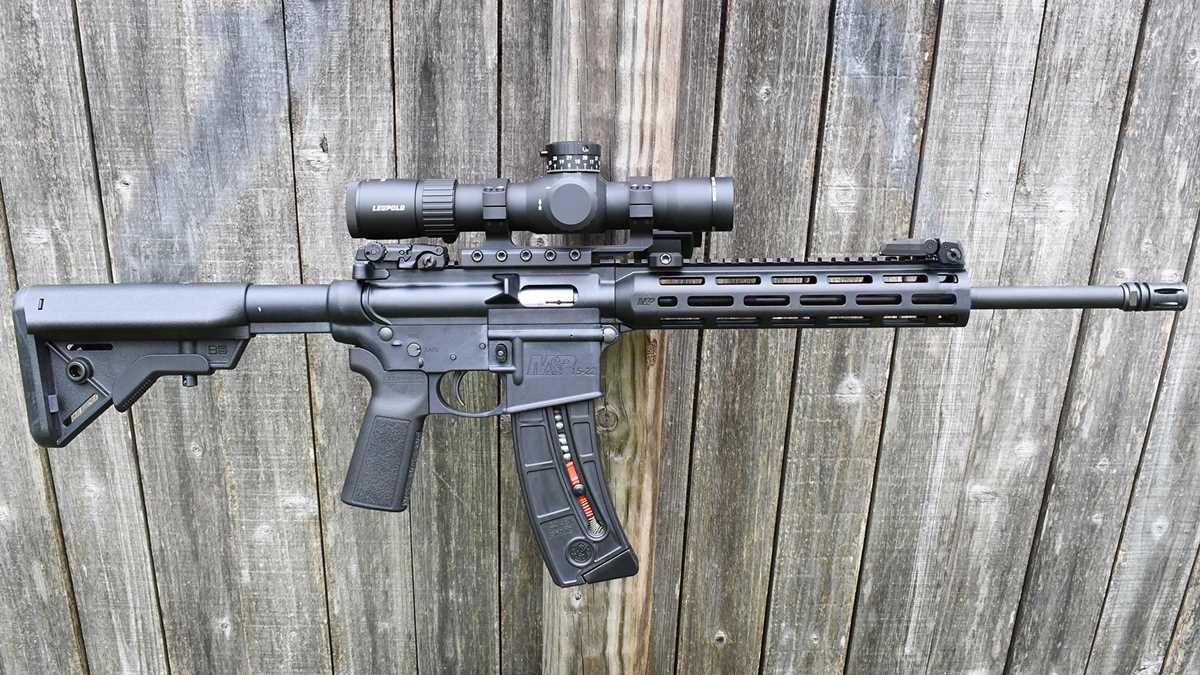
When maintaining or upgrading your firearm, a clear understanding of its components is crucial. Start by familiarizing yourself with the various sections and how they function together. Focus on the main mechanisms, such as the trigger assembly, bolt carrier group, and gas system, as these play critical roles in ensuring smooth operation.
Refer to detailed illustrations and schematics to pinpoint each piece accurately. This will help you identify worn-out or damaged parts that need replacement. Whether you’re performing routine maintenance or making modifications, knowing the exact layout of the components allows for quick and efficient repairs.
Additionally, make sure you have the right tools and replacement parts on hand to avoid delays during the repair process. With the correct guidance and resources, maintaining your rifle becomes a straightforward task that improves both performance and reliability over time.
Breakdown of Key Components and Assembly of the Rifle
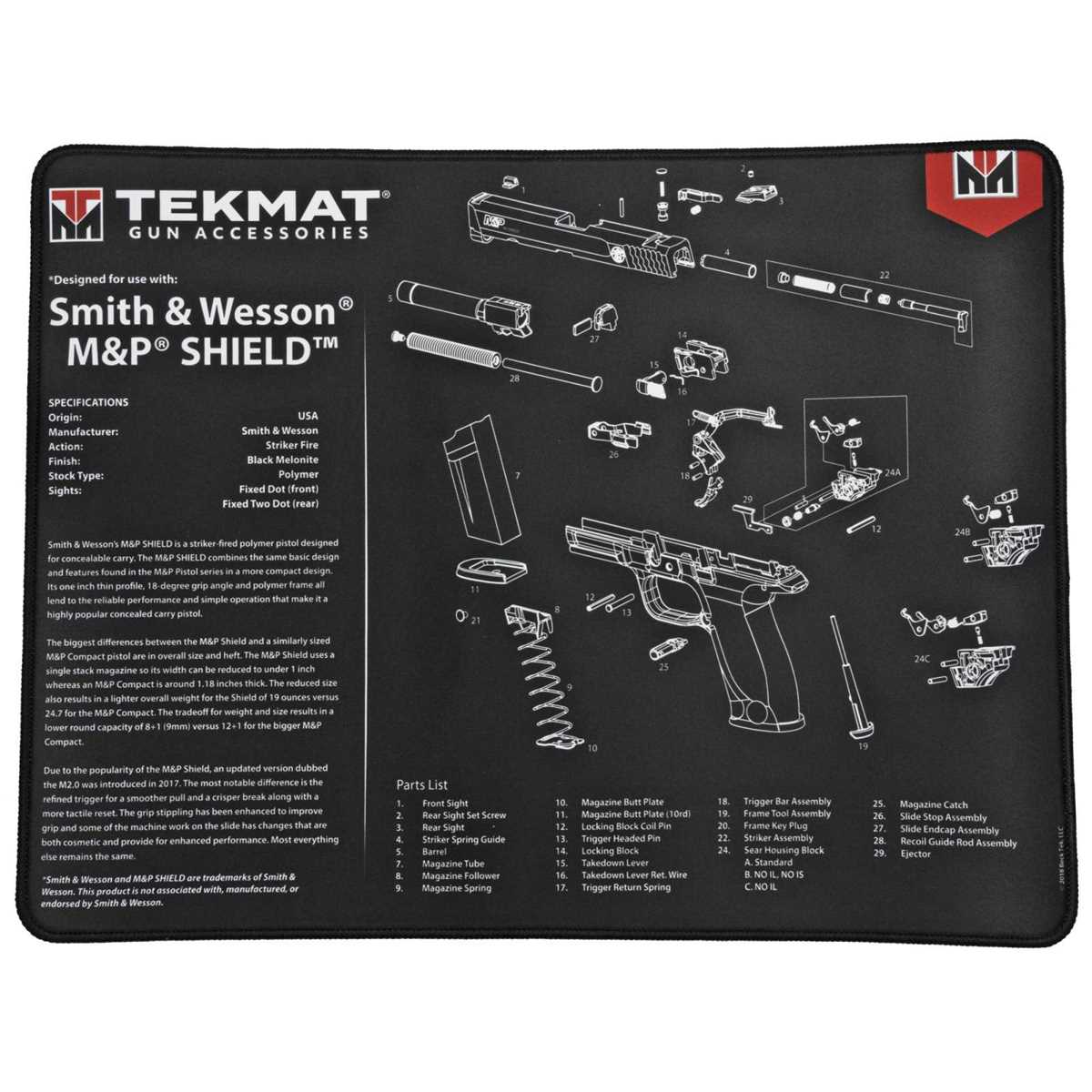
When disassembling the rifle, it’s crucial to understand how each component functions. Begin by removing the upper and lower receivers. Pay attention to the barrel, gas block, and handguard, as these pieces are directly involved in the weapon’s cycling process.
The bolt carrier group is another critical element; ensure it is clean and free of debris, as it controls the cycling of the rounds. The trigger assembly, safety selector, and charging handle all play important roles in the firing mechanism, so inspect these parts regularly to ensure they are functioning properly.
Referring to detailed visual representations will help you better understand where each component fits within the assembly. This knowledge allows for efficient repairs and adjustments, whether you’re replacing worn-out components or upgrading specific areas to enhance performance.
Identifying Key Components in the M&P 15 Rifle
Focus on these core elements when examining the M&P 15 rifle’s structure:
- Upper Receiver: Houses the bolt carrier group and acts as the foundation for attaching the barrel assembly. Ensure proper alignment with the lower receiver for smooth operation.
- Lower Receiver: The primary housing for the trigger, magazine well, and pistol grip. This component connects the firing mechanism with the stock assembly and is where most controls are located.
- Barrel: Length and rifling twist rate directly affect accuracy. Pay attention to its material, as chrome-lined barrels offer enhanced longevity and corrosion resistance.
- Bolt Carrier Group: Critical for chambering rounds, extracting spent casings, and cycling ammunition. Inspect the gas key and staking to ensure reliable performance.
- Buffer System: Absorbs recoil and ensures proper cycling of the action. A mismatched buffer weight can lead to cycling issues or excessive wear.
- Gas Block: Regulates gas flow from the barrel to cycle the action. A proper gas block alignment is essential for consistent cycling.
- Stock: The rear end of the rifle, impacting the overall length and comfort. Adjustable stocks offer customization for various user preferences.
- Trigger Assembly: The mechanism responsible for firing the rifle. A smooth, clean break is crucial for precision shooting.
- Handguard: Provides a safe, stable gripping surface and allows for the attachment of accessories like sights, grips, or lights.
- Flash Hider/Muzzle Device: Helps reduce muzzle flash and manage recoil. Choose the one that best suits the intended purpose of the rifle.
By understanding these parts, you can efficiently identify issues, maintain performance, and customize the rifle to your needs.
Step-by-Step Guide for Replacing Components in the M&P 15
Follow these steps to replace components in your rifle:
- Unload the Firearm: Ensure the chamber is clear and the magazine is removed before starting any disassembly.
- Remove the Upper Receiver: Push out the pins connecting the upper receiver to the lower. This will allow you to access the internals for component replacement.
- Disassemble the Bolt Carrier Group: Pull the charging handle back, remove the bolt carrier group, and carefully separate the components for any needed maintenance or replacement.
- Replace the Barrel: If swapping the barrel, remove the gas block first, then loosen the barrel nut. Carefully remove the barrel from the upper receiver and replace it with the new one.
- Remove the Handguard: Unscrew any securing nuts or bolts holding the handguard in place. If it’s a free-floating design, remove it from the upper receiver.
- Install New Trigger Assembly: Separate the trigger guard from the lower receiver, remove the old trigger mechanism, and install the new one. Ensure proper alignment for smooth operation.
- Replace the Stock: Detach the stock by removing the screw or pin securing it to the buffer tube. Install the new stock and tighten the securing mechanism.
- Reassemble the Rifle: Reverse the steps to put the rifle back together. Be sure to check that all parts are securely attached, with no loose components.
- Test the Functionality: Before use, cycle the action several times to ensure proper function and check the alignment of the gas block, bolt carrier, and trigger components.
Double-check that each component is properly installed and functioning to avoid malfunction during operation.