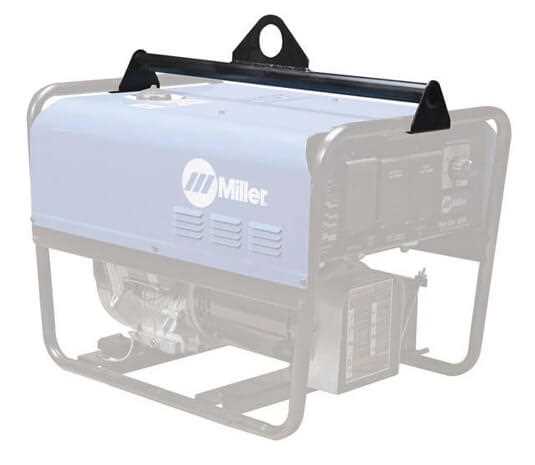
To ensure optimal performance and longevity of your welder, familiarizing yourself with the key components is crucial. Every part serves a specific function, and identifying these parts is the first step in diagnosing any issues. Start by reviewing the user manual and technical schematics, which can guide you through the setup and disassembly of the machine.
Common components include the cooling system, power supply, and control panel. The cooling system, for example, ensures that the welder does not overheat during prolonged use. Knowing how each piece fits into the larger system helps prevent damage and reduces downtime during maintenance or repairs.
Once you know what each component does, troubleshooting becomes much easier. In the event of a malfunction, you’ll be able to identify the part in question and replace it without having to rely on an expert. Whether you are looking for a specific switch, wire, or cooling fan, understanding how they interact with the rest of the welder will make finding replacements straightforward.
In the following sections, we will go over the steps to replace the most common parts, helping you maintain your welder in peak condition. Proper maintenance is an investment in the reliability of the equipment and the quality of your work.
Machine Component Breakdown
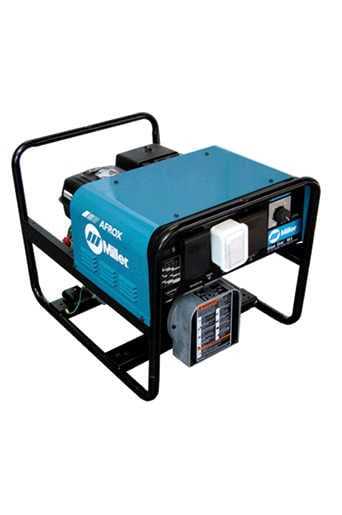
Understanding the internal structure of the machine is key for efficient maintenance and troubleshooting. Below is a detailed breakdown of the major components typically found in this type of equipment.
- Cooling Fan: Vital for keeping the machine from overheating during extended use. Regular inspection of the fan blades and motor is important to ensure proper airflow.
- Power Supply: Powers the entire system. Any issue with the power supply, such as blown fuses or faulty wiring, could cause complete operational failure. Make sure to check for secure connections and any visible wear.
- Control Panel: The interface for adjusting settings such as voltage and amperage. Ensure that all switches and dials are functioning correctly and that the display is clear and legible.
- Welding Cable: Connects the welding unit to the workpiece. Regular inspection of the cable for signs of wear or damage is essential to avoid electrical hazards.
- Ground Clamp: Provides a secure connection between the workpiece and the welding machine, ensuring an effective current flow. A loose or corroded ground clamp will cause poor performance.
- Transformer: Converts the input voltage to the correct level for the welding process. Be sure to check for overheating or damaged wiring that could affect the transformer’s efficiency.
- Heat Sink: Dissipates heat generated during welding. Regular cleaning and checking for dust buildup will help avoid overheating of sensitive internal components.
Having a clear understanding of these individual components will allow you to diagnose potential issues with the machine and effectively plan repairs or replacements. Knowing the function and common failure points for each part ensures a longer machine lifespan and reduces downtime during operations.
Identifying Key Components and Their Functions
The primary components of this machine serve distinct roles to ensure proper operation and performance. Below are the key parts and their functions:
- Cooling Fan: Prevents the machine from overheating by maintaining optimal internal temperatures during use. Ensure the fan operates smoothly and does not have any debris obstructing airflow.
- Power Supply Unit: Supplies electrical power to the entire system. A faulty power unit can cause complete failure, so regularly inspect for any signs of wear or short circuits in wiring.
- Control Board: Acts as the brain of the machine, managing settings and functionality. Check for visible damage or malfunctioning buttons and display for potential repairs.
- Transformer: Converts electrical energy into a usable form for the machine’s operation. Inspect for overheating signs, electrical shorts, or damaged components to ensure proper performance.
- Welding Cable: Transports power from the source to the welding workpiece. Inspect the cable for fraying, corrosion, or cuts that may compromise electrical flow.
- Ground Clamp: Ensures a stable connection to the work surface, completing the circuit. A loose or corroded clamp can affect the efficiency of the process.
- Heat Sink: Dissipates heat generated during operation to prevent overheating of sensitive internal parts. Keep the heat sink free of dust and debris to maintain effective cooling.
Knowing the function of each part helps in recognizing potential issues early, allowing for timely repairs or replacements. Regular checks and maintenance are vital for keeping the machine running efficiently.
Step-by-Step Guide to Replacing Common Components
Follow these steps to replace the most commonly replaced components in your equipment:
- Power Supply Unit:
- Turn off and unplug the machine before beginning any repair work.
- Locate the power supply unit and remove any screws or bolts securing it.
- Disconnect the wires connected to the unit, taking note of their positions for reattachment.
- Remove the old unit and replace it with the new one, ensuring all connections are secure.
- Reattach the screws or bolts and test the machine to confirm the new unit is working properly.
- Cooling Fan:
- Ensure the machine is turned off and unplugged before starting the replacement process.
- Locate the fan and remove any surrounding components that may obstruct access.
- Unscrew the mounting screws holding the fan in place and carefully remove the fan.
- Install the new fan by securing it with screws and making sure it spins freely.
- Test the machine to ensure the fan is running without any issues.
- Ground Clamp:
- Disconnect the machine from its power source before beginning repairs.
- Locate the ground clamp and loosen the screw holding it in place.
- Remove the old clamp and attach the new one securely, making sure the connection is tight.
- Check the clamp’s positioning and make sure it provides a solid connection to the work surface.
- Test the equipment to verify that the ground clamp is functioning properly.
- Control Board:
- Before beginning any repairs, ensure the machine is powered off and unplugged.
- Locate the control board and remove any panels or covers obstructing access.
- Disconnect all wires connected to the control board, carefully noting the connections.
- Remove the mounting screws and lift the board out of place.
- Replace the control board with the new one, reconnect the wires, and secure the screws.
- Power on the machine to check if the new control board is working as expected.
php-template
After replacing any component, always verify the machine’s functionality and ensure that no parts are left loose. Regular maintenance and quick replacements will extend the equipment’s lifespan and keep it operating smoothly.