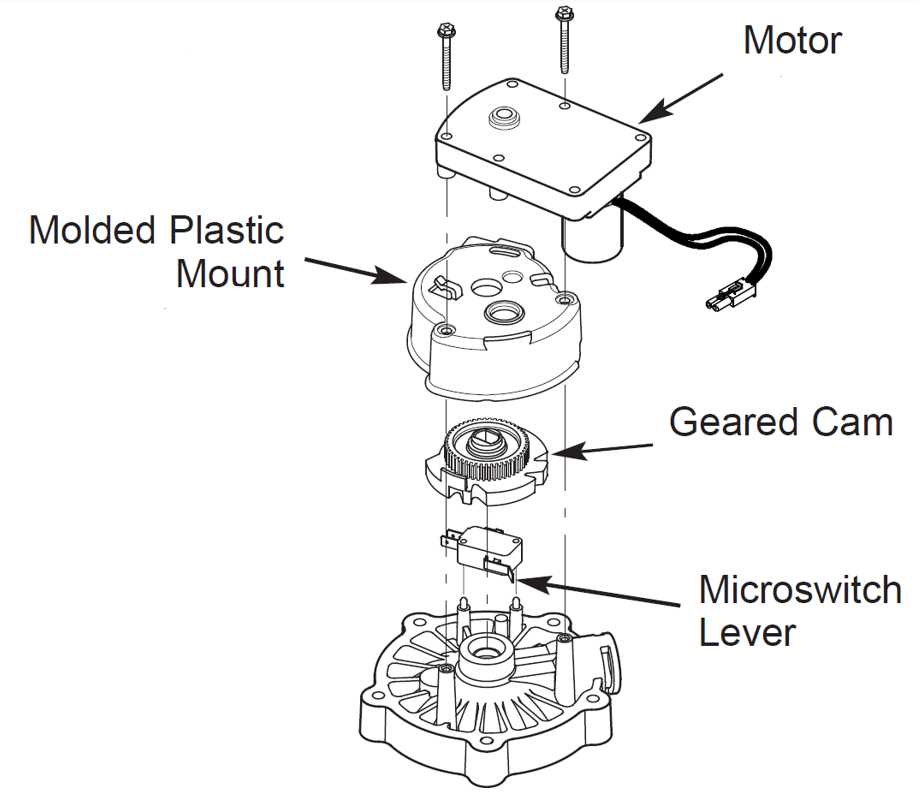
To maintain the performance of your filtration system, it’s important to understand how each section functions. The resin tank is responsible for removing hard minerals like calcium and magnesium, ensuring a smoother and more efficient flow. Without a properly functioning resin bed, the whole process of softening becomes ineffective, and you’ll notice a return of scale buildup.
The control valve regulates the flow of liquid through the system, overseeing the regeneration cycle and ensuring that the resin is periodically cleaned. This valve is the brain of the unit, deciding when the unit needs to refresh the resin’s capacity to remove minerals. Without the proper maintenance or correct valve settings, the system may either overuse salt or fail to regenerate at the right times, leading to poor performance.
Additionally, the brine tank stores the salt needed for the regeneration process. The brine solution is used to clean the resin, restoring its ability to capture minerals. An undersized brine tank or improper salt levels can compromise the regeneration cycle, resulting in reduced efficiency and a shorter lifespan for the system.
Parts of a Water Treatment System
The resin tank is where the hard minerals, such as calcium and magnesium, are exchanged for sodium ions. The quality and size of the resin bed determine how effectively the minerals are removed. A proper resin bed ensures better results and less frequent maintenance.
The control valve is the central unit that manages the entire process. It regulates the flow of water through the system and determines when the regeneration process occurs. The valve also controls the amount of salt used and ensures that the resin bed is refreshed regularly.
The brine tank holds the salt solution that is used to regenerate the resin bed. It’s vital to maintain the correct salt levels for efficient regeneration. If the brine tank is too low on salt or if the salt isn’t properly dissolved, the resin won’t be effectively cleaned, reducing the system’s efficiency.
Finally, the drain line removes the waste brine solution and used minerals from the system during regeneration. Proper drainage is crucial to avoid clogging and ensure that the regeneration cycle functions smoothly.
How the Resin Tank Works in Water Softening
The resin tank is where the actual ion exchange process takes place. Inside the tank, small beads coated with sodium ions are used to capture unwanted minerals like calcium and magnesium. As untreated liquid passes through the resin bed, these minerals stick to the beads while sodium ions are released into the flow, softening the liquid.
When the resin beads become saturated with minerals, their capacity to exchange ions diminishes, leading to a need for regeneration. This is typically done by flushing the resin bed with a highly concentrated sodium solution from the brine tank. The sodium ions replace the accumulated calcium and magnesium ions, restoring the resin’s ability to soften the flow effectively.
For maximum efficiency, the resin tank must be sized properly according to the volume of treated liquid and the hardness level of the minerals. Regularly checking for blockages or buildup inside the tank will ensure optimal performance, as poor flow or clogged beads can reduce the effectiveness of the entire system.
Understanding the Role of the Control Valve in Regeneration
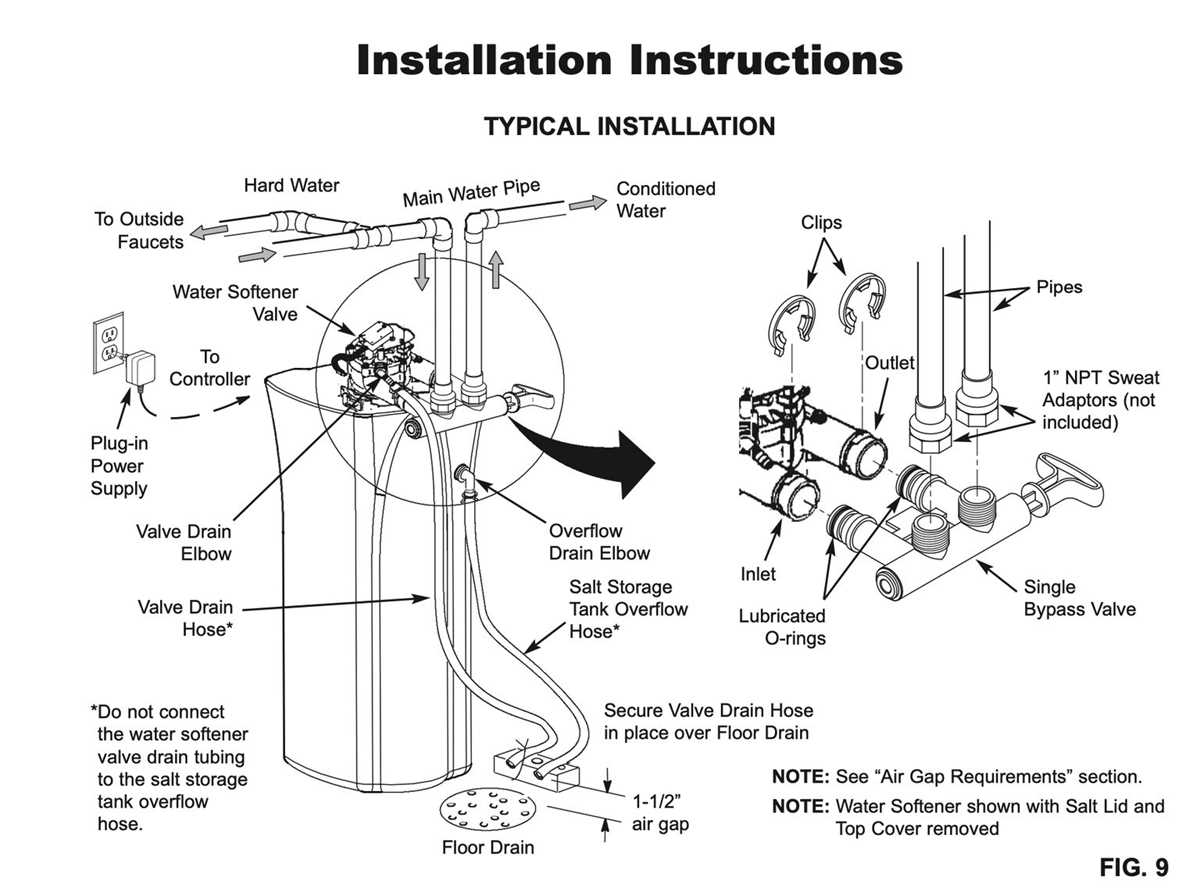
The control valve manages the regeneration process by regulating the flow of solution through the system. During the regeneration cycle, the valve controls the timing and direction of flow, ensuring the resin bed is thoroughly cleaned and restored. It directs the brine solution into the resin tank and then flushes out the accumulated minerals through the drain line.
Most modern systems feature programmable control valves that allow for precise scheduling of the regeneration cycle. This enables the system to refresh at optimal times, reducing the risk of reduced performance. The valve also ensures that the regeneration process only occurs when necessary, conserving salt and water.
Maintaining the control valve is critical for smooth operation. Periodic checks should be made to confirm it is functioning properly, as a malfunctioning valve can lead to inefficient regeneration cycles, excessive salt use, or even system damage. Proper calibration ensures that the cleaning process is completed effectively, maintaining high performance and extending the lifespan of the system.