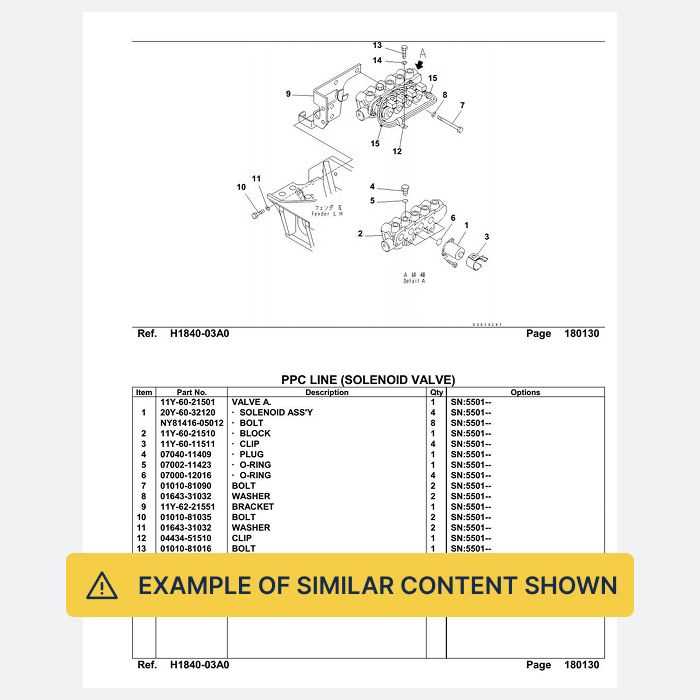
Begin by locating the main components within the system. Understanding where each part is situated allows for faster diagnostics and smoother repairs. For example, identify the pump, motor, and control valves. These elements are responsible for power generation and direction control, and their placement can be easily found through a detailed schematic.
Use the component layout to guide you during maintenance. It highlights specific areas that tend to wear over time, such as seals or fluid lines. By regularly checking these components, you can prevent major breakdowns and improve the overall performance of the system. When parts show signs of damage, the layout helps pinpoint the exact location for easier replacement.
Having a clear visual reference for system components also aids in troubleshooting. If the equipment is not functioning as expected, consult the schematic to determine if issues are related to fluid flow, pressure, or power transmission. Properly identifying the problem ensures that you apply the right solution, whether that’s replacing a worn valve or cleaning a clogged filter.
Detailed Breakdown of Hydraulic System Components
Start by identifying the key components that control power and fluid movement within the system. Focus on the hydraulic pump, which drives fluid flow, and the motor, which converts this energy into mechanical force. Understanding the flow of fluid from the pump to the motor will help you trace any potential issues with pressure or performance.
Inspect the control valve regularly, as this part is responsible for managing fluid direction and pressure within the system. Any irregularities in movement or power output could be a result of valve malfunction. Refer to the schematic to pinpoint the valve’s location and determine if it’s clogged or damaged, requiring cleaning or replacement.
Check the seals and hoses for wear or leaks. Over time, these parts can degrade, leading to fluid loss and reduced system efficiency. The diagram will clearly show the layout of all hoses, allowing you to identify which ones need to be replaced or tightened. Also, make sure to regularly change the filter to maintain optimal fluid flow and prevent debris buildup that could cause system failure.
Identifying and Locating Key Components in the Mower
To perform proper maintenance, start by locating the hydraulic motor. This key component is responsible for converting hydraulic fluid pressure into mechanical motion. It can typically be found near the main drive system, often attached to the chassis of the equipment.
Next, focus on the hydraulic pump, which delivers fluid to the motor. The pump is often located near the engine or power take-off system. Check the connections for any signs of leaks or wear, as these can cause loss of pressure and performance.
The control valve, which directs fluid flow, should also be easily identifiable. It is usually positioned in a central location within the hydraulic system. Inspect the valve for blockages or damage, as these can interfere with the direction and speed of movement.
For proper fluid flow, ensure all hoses are routed correctly and free from cracks or leaks. The layout will show each hose’s path and connection points. Examine filters to ensure they’re not clogged, as this can restrict fluid flow and affect system performance.
Step-by-Step Guide to Replacing Damaged Components
Start by turning off the engine and disconnecting the power source to avoid any accidental activation during the replacement process.
Identify the damaged component by examining the system. Common issues include worn seals, clogged filters, or damaged hydraulic lines. Consult the schematic to pinpoint the exact location of the faulty part.
If replacing a pump or motor, begin by loosening the mounting bolts and carefully removing the damaged part. Ensure that you keep track of any washers or seals, as these may need to be replaced as well.
For hose replacement, use the diagram to locate the connected ends. Cut the hose to the correct length, ensuring a tight fit. Attach the new hose securely using the appropriate fittings, and check for leaks once the system is reassembled.
Once the new component is in place, reassemble the system in reverse order. Tighten all bolts and check for any loose connections before starting the engine.
Finally, after completing the replacement, test the system for proper operation. Check fluid levels and ensure that the component is functioning as expected without any leaks or performance issues.
Common Maintenance Tasks Using the Mower’s Component Layout
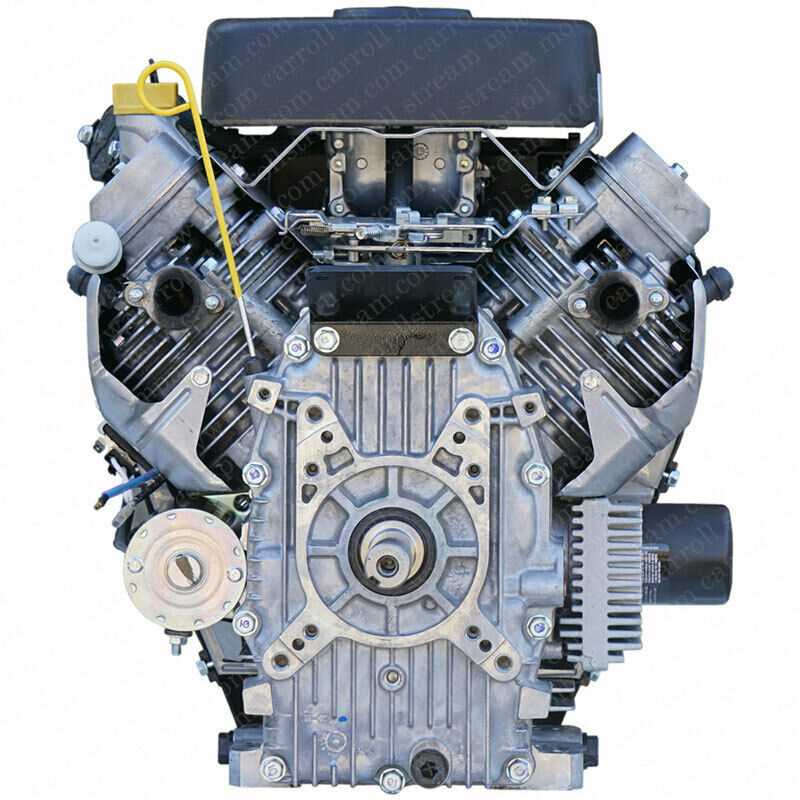
Start by inspecting the filter and air intake components. Refer to the schematic to locate the filter housing. Remove and clean or replace the filter as needed. A clogged filter can restrict airflow and reduce performance.
Next, check the hydraulic system for leaks. Use the component layout to identify hose connections and seals. Inspect each part for signs of wear or fluid leakage. Replace any damaged hoses or seals to maintain optimal pressure within the system.
Monitor the motor and fluid levels. Use the layout to locate the fluid reservoir and ensure it is filled to the recommended level. Low fluid can cause overheating or inefficient operation. If necessary, drain and refill with the correct hydraulic fluid.
Examine the drive belts and pulleys. The component layout will show you the correct routing. Check for signs of fraying or wear. Replace any damaged belts promptly to avoid further damage to the system.
Lastly, lubricate moving parts as indicated in the schematic. Use the recommended grease and ensure each pivot point or joint is properly lubricated to reduce friction and extend the lifespan of the components.