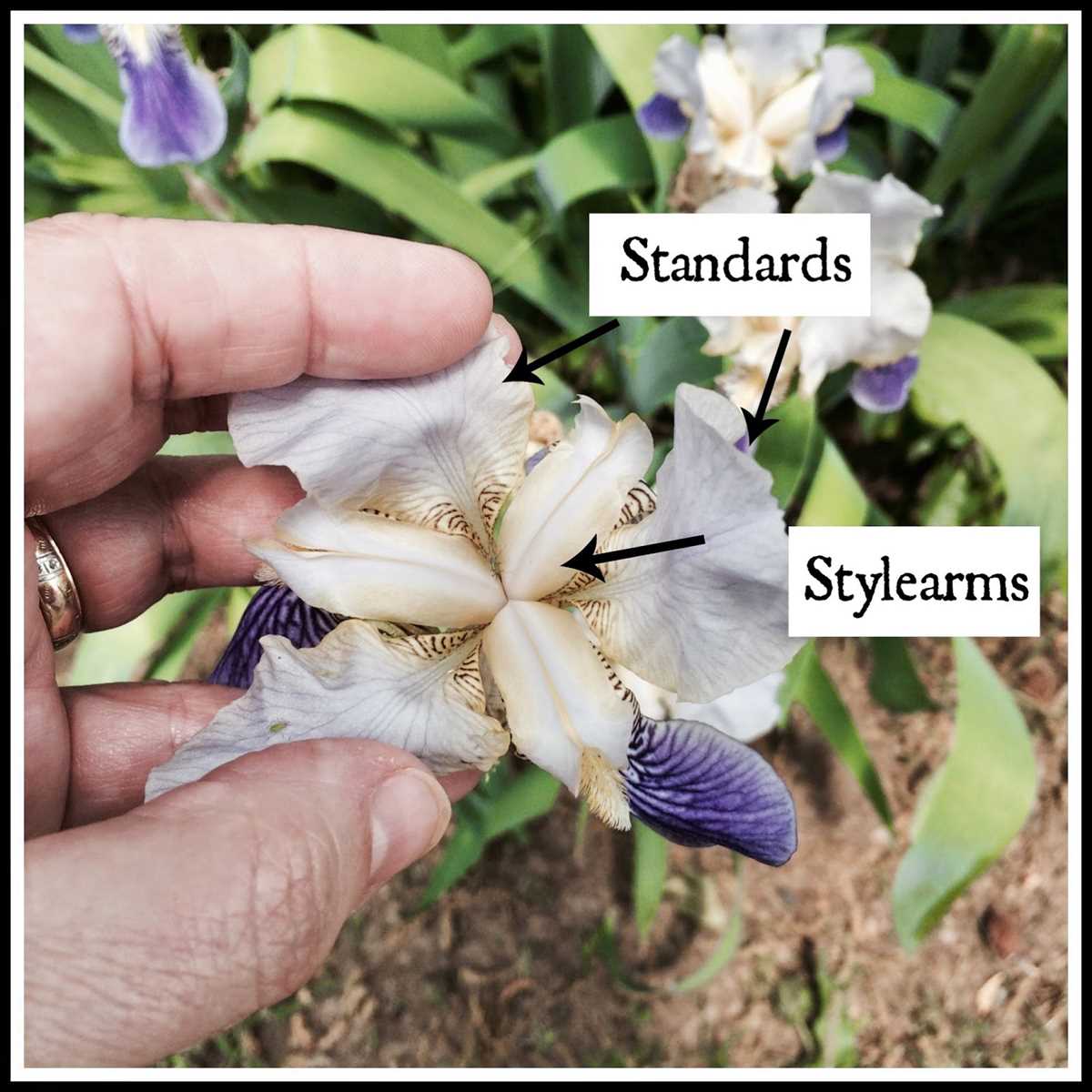
To properly care for and cultivate these plants, it’s crucial to familiarize yourself with the key elements that make up their structure. Each part plays a distinct role in the plant’s growth, reproduction, and overall health. Understanding the specific functions of each section can help you troubleshoot problems, encourage blooming, and maintain the plant for a longer period.
Begin by identifying the petals, sepals, and reproductive organs, which are central to the plant’s reproductive system. Knowing the role of each component–like how the stigma, style, and anthers interact–will guide your care approach and improve your overall success with these beautiful plants.
Next, take a closer look at the supporting structures like the stem and leaves. The stem not only supports the plant’s structure but also transports nutrients from the soil to other parts. Leaves, on the other hand, play a major role in photosynthesis, providing the plant with the energy needed to thrive. Analyzing how these components work together will give you insight into maintaining a healthier plant overall.
Understanding Iris Flower Structure
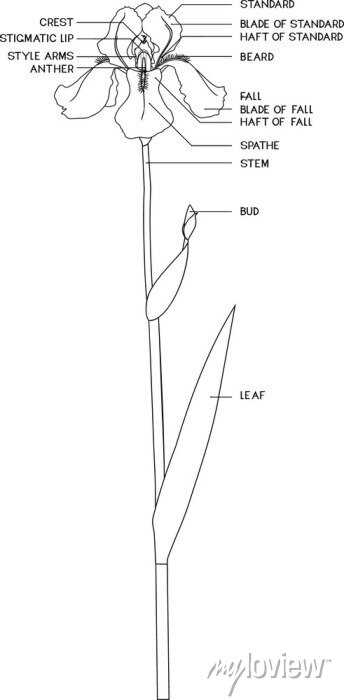
Focus on the main reproductive and support components: the petals, sepals, and reproductive organs. The three main parts–the style, stigma, and anthers–work together to facilitate pollination. The style, a central tube, connects the stigma to the ovary, while the anthers hold pollen and release it during flowering.
Additionally, observe the stem and leaves. The stem provides support and transports nutrients from the roots to the upper parts. Leaves are key in photosynthesis, generating the energy needed for growth and development.
Pay attention to the root system as well, which anchors the plant and absorbs water and minerals from the soil. Healthy roots are vital for strong plant growth and blooming.
Key Components of Iris Flower Anatomy for Identification
To identify key structures, first observe the large, colorful petals, often arranged in a fan shape. These specialized structures protect the reproductive organs and attract pollinators. Below the petals, the sepals, which can be upright or drooping, form a protective casing around the reproductive components.
Look closely at the reproductive organs: the stigma, style, and anthers. The stigma is the sticky surface where pollen lands. The style is the connecting tube that guides pollen to the ovary. The anthers release pollen, which is crucial for fertilization.
Check the shape and size of the leaves. Typically, they are sword-like, long, and narrow, growing directly from the base. They play a significant role in photosynthesis and overall plant health. Additionally, take note of the stem, which supports the plant and transports nutrients.
Finally, examine the root system, which stabilizes the plant and absorbs necessary nutrients from the soil. A healthy root system supports strong growth and vibrant blooms.
How to Interpret an Iris Flower Diagram for Plant Care
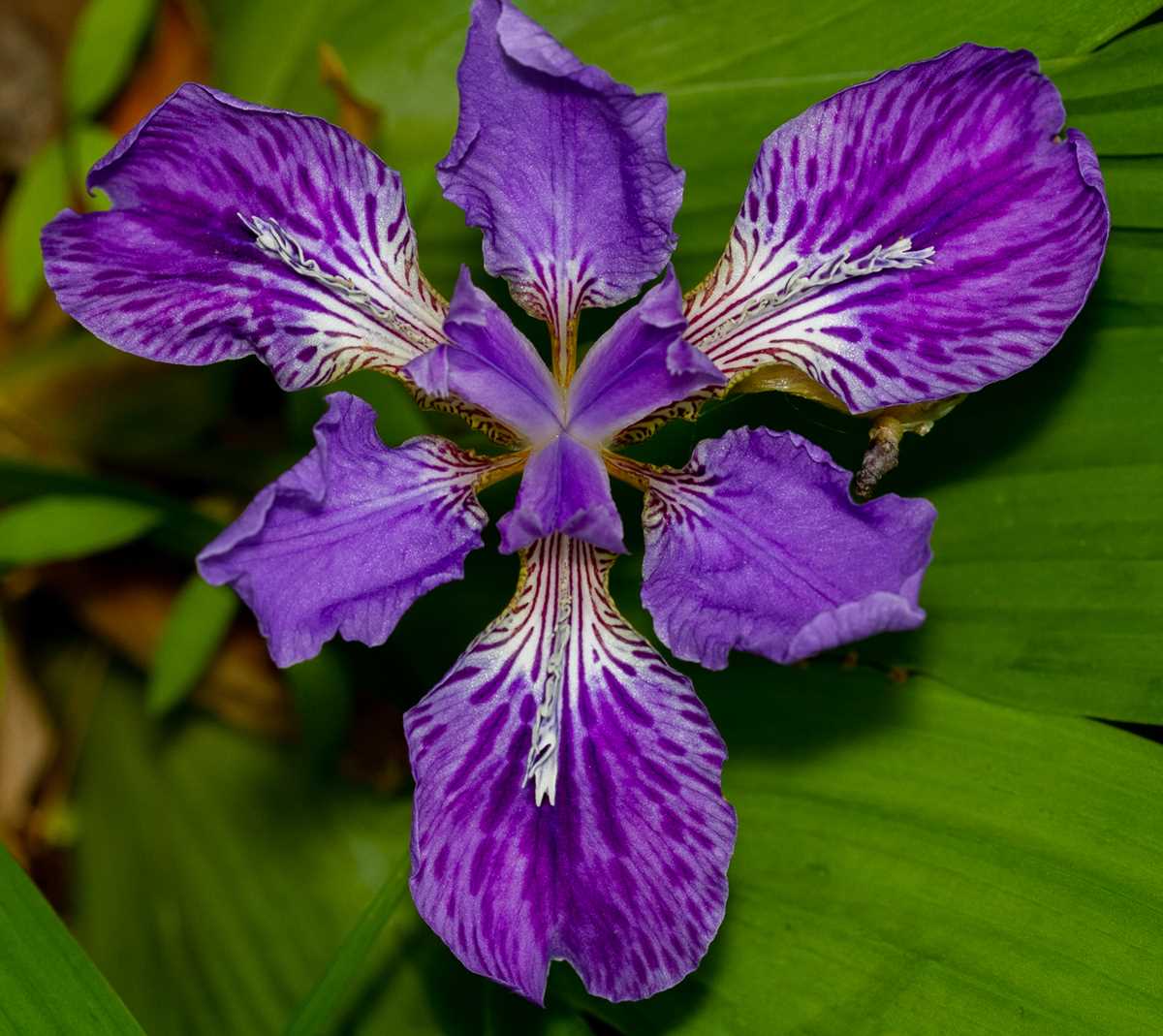
To care for this plant effectively, start by understanding the reproductive structure. The stigma, where pollen is deposited, needs to be monitored for damage. If it is damaged, pollination won’t occur, impacting growth. Keep an eye on the anthers as well, ensuring they release pollen properly for fertilization.
Examine the petals and sepals for any signs of wear or disease. Healthy petals should remain vibrant, while sepals protect the reproductive organs from pests and environmental stress. Any discoloration or deformities in these structures might signal a need for better soil or water management.
Focus on the leaves, especially if they are sword-like and narrow. These leaves play a crucial role in photosynthesis, and any browning or wilting could indicate stress due to overwatering or nutrient deficiency. Trim damaged leaves to promote better airflow and prevent rot.
Finally, assess the root system. If roots are not well-established or appear to be crowding, consider replanting the bulb or rhizome. A well-developed root system ensures strong growth, providing necessary nutrients to support blooming and overall plant health.